How to Clean Plexiglass Shower Doors Safely and Effectively
Plexiglass shower doors offer a sleek look and easy maintenance, but the smooth acrylic surface can attract hard water spots, soap scum, and fingerprints. This guide walks through a safe, practical clean routine that minimizes scratches and preserves clarity.
This method emphasizes gentle cleaners, soft cloths, and proper tools to keep the panels clear and streak-free without dulling the surface. Follow the steps in order for best results, and tailor the routine to your specific shower setup.
Quick Answer
Wipe with a mild, non-abrasive cleaner using a soft microfiber cloth, then rinse and dry. Use a plastic shower door scraper for stubborn film, and finish with a plexiglass squeegee to prevent water spots. Avoid ammonia, bleach, and rough brushes. For worst stains, repeat once weekly.
What You’ll Need
- Plexiglass shower door squeegee
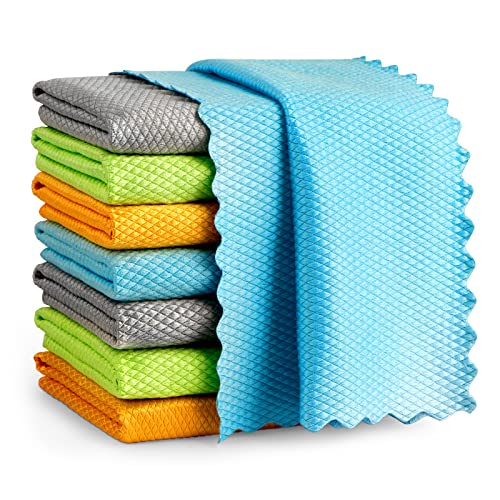
- Non-scratch microfiber cleaning cloths for acrylic
- Plastic shower door scraper acrylic safe
- Cleaning spray or mild dish soap
- Warm water and a spray bottle
- Optional: white vinegar (dumesca), or a dedicated acrylic cleaner


Before You Start
Clear the shower area and remove any bath mats or shower caddies. Test cleaners on a small, inconspicuous area of the plexiglass to ensure no surface reaction occurs. Work in a well-ventilated space. Avoid abrasive pads, ammonia-based cleaners, and high-pressure rinse as they can scratch or cloud the acrylic.
Time estimate: about 15–25 minutes per cleaning session, depending on buildup. For heavy soap scum, plan an extra 10 minutes and consider a second pass.
Step-By-Step: How To Clean Plexiglass Shower Doors
- Remove items from the shower and wipe away loose debris with a dry microfiber cloth.
- Mix a mild solution of warm water and a drop of dish soap in a spray bottle.
- Spray the plexiglass evenly and let it sit for 1–2 minutes to loosen soap scum.
- Wipe with a non-scratch microfiber cleaning cloths for acrylic, using gentle circular motions.
- For stubborn film, use a plastic shower door scraper acrylic safe held flat to lift residue without scratching.
- Rinse thoroughly with clean water or a damp cloth to remove all soap residues.
- Dry the surface with a clean microfiber cloth to prevent water spots.
- Finish with the plexiglass shower door squeegee to push water off and reduce streaks.
- If spots persist, apply a small amount of white vinegar solution and repeat steps 3–7, then rinse.
- Inspect for any remaining haze and repeat the cleaning cycle on problem areas as needed.
- Regular maintenance: wipe down after showers to minimize buildup and schedule a deeper clean weekly.
- Store tools in a dry area between uses to prevent mold or mildew on rags.
Troubleshooting
| Symptom | Likely Cause | Fix | Prevention |
|---|---|---|---|
| Cloudy or scratched-looking areas | Abrasion from scrub pads or harsh cleaners | Switch to non-abrasive cloths and gentle cleaners; avoid scrubbing pads | Use soft cloths, test cleaners first |
| Streaks after cleaning | Residue from cleaner or water minerals | Rinse thoroughly and dry with microfiber; finish with squeegee | Rinse with clean water; dry promptly |
| Sticky residue post-clean | Soap buildup not fully removed | Re-clean with mild soap solution, rinse well | Wipe down after each shower |
| Surface feels tacky | Over-cleaning with harsh chemicals | Switch to milder solution and wipe dry | Avoid alcohol-based or ammonia cleaners |
Common Mistakes
- Using abrasive sponges or brushes on plexiglass
- Cleaning with ammonia, bleach, or window cleaners containing harsh solvents
- Skipping thorough rinsing after cleaning products or vinegar
- Avoiding drying, which leads to mineral deposits and streaks
Tips For Best Results
- Clean on a schedule to prevent heavy buildup; lighter cleanings maintain clarity.
- Always test a new cleaner on a hidden area first.
- Work from top to bottom to minimize drips and streaks.
- Use a dedicated squeegee after every shower to reduce maintenance needs.
Call A Professional
Consider contacting a professional if the plexiglass shows deep scratches, clouding, or hazy haze that does not improve after multiple cleanings. Seek expert advice if the door hinges or hardware appear corroded, or if the panels are installed in a non-standard frame that requires careful removal and resealing.
FAQ
Can I use vinegar on plexiglass shower doors?
Yes, a diluted white vinegar solution can help remove mineral deposits, but rinse well and dry afterward to avoid streaks.
Is ammonia safe for plexiglass?
No. Ammonia can cause clouding and damage the acrylic over time. Use milder cleaners instead.
What tools are best for daily maintenance?
A soft microfiber cloth and a plexiglass squeegee work well for quick touch-ups after each shower.
How often should I deep clean plexiglass doors?
Deep clean every 1–2 weeks, or more often if you notice heavy soap buildup or hard water deposits.
Buying Guide
When selecting products to maintain plexiglass shower doors, consider size, noise level, energy efficiency, controls, and placement of related tools. Look for a dedicated plexiglass maintenance kit that includes a soft microfiber cloth, a plastic-safe scraper, and a small squeegee. For routine cleaning, choose a mild soap or acrylic-safe cleaner and avoid ammonia-based formulas. If you have hard water, consider a gentle mineral-removal spray designed for acrylic surfaces. Ensure tools are non-scratch and easily stowable inside the shower for quick access after a shower.
Leave a Reply