How to Clean Car Seats With Baking Soda
Car seats accumulate dirt, stains, and odors from daily use. Baking soda offers a simple, low-cost approach to freshen upholstery without harsh chemicals. This guide outlines practical steps to lift grime, reduce odors, and maintain the look of fabric and vinyl car seats.
By combining baking soda with common detailing tools, you can achieve a cleaner interior with minimal effort. The methods here emphasize safety, effectiveness, and reusability across most passenger vehicles.
Quick Answer
Use baking soda to deodorize and loosen stains by sprinkling it on fabric seats, letting it sit, then vacuuming. For tougher spots, make a gentle paste with baking soda and water and apply with a soft brush. Always test a hidden area first and extract moisture promptly to prevent mold.
What You’ll Need
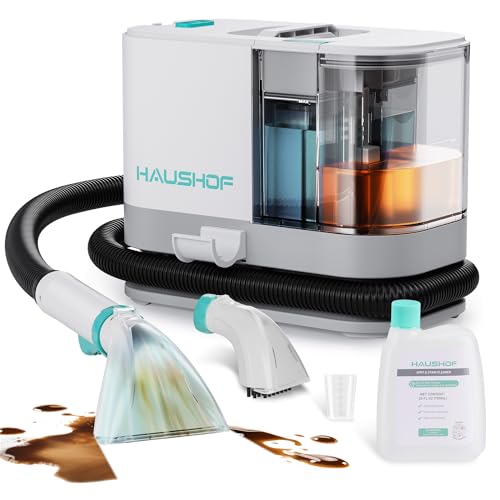
- Portable car upholstery steam cleaner
- Handheld car seat stain extractor kit
- Car interior detailing brush set microfiber
- Baking soda (baking soda)
- Clean, dry towels


Before You Start
Inspect the seat fabric for colorfastness and manufacturer care labels. Vacuum the seats to remove loose debris before applying any moisture. Work in a well-ventilated area and keep moisture away from electronic components. Time estimates vary by seat material and stain severity, typically 20–60 minutes per cleanup session. Important: stop immediately if padding shows dampness or odor returns after cleaning, which may indicate deeper issues.
Step-By-Step: How To Clean Car Seats With Baking Soda
- Vacuum the entire seat to remove loose dirt and hair. A thorough base cleaning makes the baking soda action more effective.
- Lightly mist the upholstery with water or a mild cleaning solution. The goal is to dampen, not soak, the fabric.
- Sprinkle baking soda evenly over the area. For large stains, cover the spot and extend the dusting to surrounding fibers to prevent ring effects.
- Let the baking soda sit for 15–30 minutes. This period allows the powder to absorb odors and lift light stains.
- Vacuum again to remove the bulk of the baking soda. Use a brush attachment to gather powder from seams and folds.
- For persistent stains, mix a small amount of water with baking soda to form a paste. Apply gently with a microfiber brush, working in the direction of the fabric weave.
- Gently blot with a clean towel to lift moisture. If needed, use a portable car upholstery steam cleaner to lift remaining residues while maintaining a low moisture level.
- For vinyl seats, avoid soaking. Wipe with a microfiber cloth and dry promptly. Baking soda remains safe on vinyl when not left to sit for extended periods.
- Allow seats to air dry completely. If the car is in a sunny spot or a garage with good airflow, this speeds up drying and reduces mildew risk.
- Finish with a light vacuum and optional brush work to restore texture. Reassess odors and repeat if necessary, focusing on areas with lingering smell.
- Place fresh towels over the seats and run the car’s ventilation briefly to remove any residual dampness and odors.
Troubleshooting
| Symptom | Likely Cause | Fix | Prevention |
|---|---|---|---|
| Odor persists after cleaning | Deep-seated odors or moisture mold | Use a gentle steam cycle with low moisture and consider a fabric-safe odor eliminator | Regular cleaning and prompt drying |
| White residue after baking soda treatment | Residual baking soda not fully vacuumed | Vacuum thoroughly with a high-suction attachment | Finish with a final light vacuum pass |
| Color transfer on fabric | Stain type and fabric dye interaction | Test small area first; use minimal moisture | Avoid over-wetting sensitive fabrics |
| Stains reappear after drying | Original stain set or pH imbalance | Repeat spot treatment with paste and microfiber brush | Address stain source and consider professional extraction for tough spots |
Common Mistakes
- Over-wetting fabric, which slows drying and encourages mold
- Using heavy cleaners that leave residues or discolor fabrics
- Scrubbing too hard, causing fiber damage or fuzzing
- Neglecting to test a small area before broad application
Tips For Best Results
- Schedule cleaning on a dry day with good airflow to speed up drying
- Use the soft brush attachment from the car interior detailing brush set microfiber to lift fibers without damage
- Combine baking soda with a light mist of water or mild detergent for stained regions, then extract promptly
- Follow up with a quick vacuum after every cleaning pass to remove loosened particles
- Consider a portable upholstery steam cleaner for deeper cleaning on stubborn spots
Call A Professional
Consult a professional if any of the following occur: persistent or large water intrusion, mold growth beyond surface cleaning, or unusual odors that return after repeated DIY treatments. Electrical components housed in the seat area should be inspected if moisture has penetrated the foam layer. If fabric is leather or faux leather and shows cracking, or if colorfast tests repeatedly fail, a pro can advise on appropriate products and methods.
FAQ
Is baking soda safe on all car seat materials?
Baking soda is generally safe on fabric and vinyl when used in moderation and not left to sit long. Always test a hidden area first.
How long does it take to dry after baking soda treatment?
Drying time varies with fabric type and climate, typically 30 minutes to several hours. Faster drying occurs with airflow and sun exposure.
Can I use baking soda on seat belts or plastic trims?
Yes, but avoid soaking these areas. Lightly dust or wipe with a microfiber cloth for best results.
What about strong odors from pets or smoke?
Baking soda helps deodorize, but for persistent odors, consider a professional odor neutralizer or steam cleaning in combination with proper ventilation.
Should I vacuum before or after applying baking soda?
Vacuum before applying to remove debris, and again after to remove the baking soda and loosened particles.
Can I use baking soda with scented products?
Prefer unscented or mild products to avoid masking or conflicting scents; introduce scents gradually if desired.
Is baking soda effective for stains from liquids like coffee?
It can help lift stains when used as part of a gentle paste and extraction process, but initial blotting and prompt cleaning improve results.
Buying Guide
Choosing the right tools and fibers can improve results when cleaning car seats with baking soda. Consider the following factors to balance effectiveness, convenience, and value.
Size and Coverage
Look for a portable upholstery steam cleaner and a handheld stain extractor kit that fit easily in a car trunk or garage. Smaller units are sufficient for regular upkeep, while larger ones help with deeper cleanings.
Noise Level
Noise is a practical consideration for in-car use and garage work. Choose devices with lower decibel ratings if you work in enclosed spaces or in apartments.
Energy Efficiency
Energy-efficient models save electricity and reduce heat buildup. Check wattage and energy-saving modes when comparing options.
Controls and Simplicity
Simple controls with clear indicators help ensure consistent results. A straightforward on/off switch and adjustable suction or steam settings are beneficial.
Attachment Versatility
Picks for a car interior detailing brush set microfiber and compatible nozzle attachments enable better reach in seams and crevices.
Placement and Portability
Choose compact, lightweight devices that fit under seats or in trunk storage. Portability matters for frequent road trips or mobile detailers.
Maintenance and Accessories
Consider the availability of replacement brushes, microfiber pads, and cleaning solutions. Durable construction reduces long-term costs and downtime.
Leave a Reply