How to Get Rid of Cat Pee Smell on Vinyl Floor
Cat urine odors can cling to vinyl flooring if not treated correctly. This guide provides practical steps, using enzyme-cleaner products and proper scrubbing techniques to remove the scent, deter repeated marking, and keep your floors fresh. The approach focuses on hard floors and vinyl planks where urine can seep into seams or grout lines.
Following a methodical clean-up routine helps restore a neutral scent and maintain a hygienic home environment for both pets and humans.
Quick Answer
Act quickly—blot the area, then apply an enzyme-based cleaner designed for hard floors or vinyl. Rinse and dry thoroughly, scrub with a vinyl-safe brush, and repeat if the scent lingers. Avoid ammonia-based cleaners that can attract pets back to the same spot.
What You’ll Need
- Cat urine enzyme cleaner for hard floors vinyl
- Pet urine odor remover spray for vinyl floors
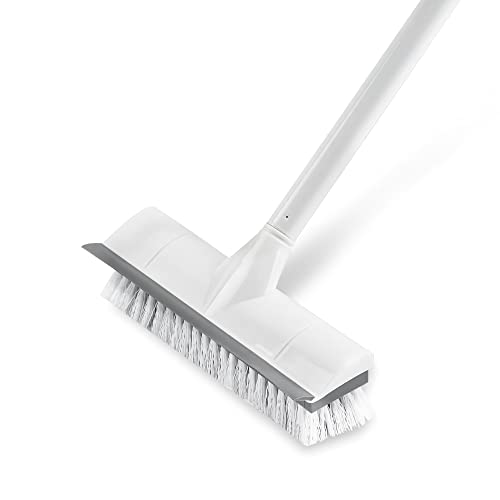
- Hard floor scrubbing brush for vinyl plank cleaning
- Clean microfiber cloths
- Warm water and a bucket
- Optional: vinyl-safe deodorizing spray for fresh scent


Before You Start
Prepare the area by removing furniture and absorbing as much liquid as possible with a clean cloth. Work in a well-ventilated space and wear disposable gloves to protect skin. For fresh accidents, blot—not rub to prevent spreading the odor. Test cleaners on a hidden or small floor area first to ensure there is no discoloration on the vinyl.
Time estimate: 30–60 minutes per treated area, plus drying time. For stubborn odors, repeat the process the next day. Safety note: keep cleaners away from pets until the floor is dry and fully aired out.
Step-By-Step: How To Remove Cat Pee Smell From Vinyl Floors
- Identify the full extent of the stain and blot the area with a microfiber cloth to remove as much moisture as possible.
- Apply a cat urine enzyme cleaner for hard floors vinyl directly to the affected spot, following the product’s instructions for concentration and contact time.
- Avoid scrubbing aggressively at first; let the enzyme solution penetrate the vinyl seams and any grout lines between planks.
- After the recommended dwell time, use a hard floor scrubbing brush for vinyl plank cleaning to gently agitate the surface in small circles.
- Wipe away dissolved residues with a clean microfiber cloth and rinse the area with warm water to remove cleaner remnants.
- Dry the spot thoroughly with a fresh cloth. If odor persists, repeat with a second application of the enzyme cleaner.
- Spray a pet urine odor remover spray for vinyl floors around the treated area to neutralize any remaining vapors and prevent re-marking by your cat.
- Re-check after dryness and, if needed, repeat the steps for any adjacent or porous sections where urine may have seeped deeper into the vinyl.
- Maintain a regular cleaning routine for areas where your cat tends to mark, using enzyme cleaners periodically to prevent odor buildup.
- Store cleaners out of reach of pets and children when not in use, and ventilate the space during and after cleaning.
- If odors persist after multiple attempts, consider deeper inspection for moisture under the vinyl or consult a professional cleaner.
Troubleshooting
| Symptom | Likely Cause | Fix | Prevention |
|---|---|---|---|
| Persistent odor after cleaning | Enzyme cleaner didn’t reach all contaminated areas | Reapply cleaner to surrounding area and extend dwell time | Clean regularly and address pet behavior to reduce marking |
| Faint ammonia-like smell | Residual urine composition or chemical reaction | Rinse with clean water and re-treat with enzyme cleaner | Avoid ammonia-based products around pets |
| Discoloration on vinyl | Excessive scrubbing or strong cleaners | Use milder solutions and gentler brushing; blot dry | Test products first in a hidden area |
| Re-marking by pet after cleaning | Pet association with the area | Provide alternative litter/attractants and reinforce clean behavior | Close the room or use deterrents when absent |
Common Mistakes
- Using bleach or ammonia cleaners on vinyl, which can damage the surface and attract pets back to the spot.
- Rubber or abrasive brushes that scar the vinyl finish during scrubbing.
- Skipping the drying step, leaving moisture that can harbor odors and mold.
- Ignoring hidden or lower-lying areas where urine may wick into seams or padding.
Tips For Best Results
- Always saturate the affected area with enzyme cleaner for best odor neutralization.
- Allow adequate dwell time as specified by the product to let enzymes break down urine compounds.
- Pair enzyme cleaners with odor remover sprays for a layered approach to freshening the air.
- Consider placing pet training mats or deterrents near common marking zones to reduce future incidents.
- Keep a small cleaning kit dedicated to pet messes in a reachable location for quick responses.
Call A Professional
Seek professional help if the odor remains strong after multiple attempts or if there is extensive staining, widespread urine penetration, or suspected moisture beneath the vinyl. Signs that professional assistance is needed include persistent damp spots, warped flooring, or continued pet marking in the same area.
FAQ
Can I use household vinegar to remove cat urine from vinyl?
Vinegar can help with some odors but is less effective on cat urine than enzyme cleaners designed for hard floors and vinyl.
Is it safe to use enzyme cleaners on vinyl plank floors?
Yes, when used as directed on the product label and tested in a hidden area first.
How long does it take for the odor to disappear?
Typically 24–48 hours after proper cleaning, though some odors may require repeated applications.
Should I replace vinyl if the odor persists?
Persistent odors may indicate deeper moisture or structural issues; consult a professional if cleaning does not resolve the problem.
Buying Guide
When choosing cleaning products for vinyl floors, consider size of the area, odor strength, and ease of use. For urine odors, look for enzyme-based cleaners labeled for hard floors or vinyl. A dedicated odor remover spray can complement enzymatic cleaners, especially for quick touch-ups between deep cleans. A vinyl-safe scrubbing brush helps avoid marring the surface while lift-out residues. Consider a kit that includes microfiber cloths for blotting and quick-dry steps.
Key buying factors include size and coverage, odor-neutralizing strength, and compatibility with vinyl materials. Noise level and energy efficiency are less relevant for cleaning performance but matter for powered scrubbing tools. Look for easy-to-follow instructions and clear contact times. For placement, store cleaners out of reach of pets and children and keep them in a ventilated area to reduce fumes.
Leave a Reply