How to Clean Exterior Stone Walls
Exterior stone walls add character and durability to homes, but keeping them clean can be challenging. This guide covers practical, safe, and effective methods for removing dirt, algae, and stains without damaging the stone or mortar. Readers will learn how to choose the right equipment, prepare the area, and execute a clean with confidence.
The approach emphasizes gentle, thorough cleaning and highlights when to step back and call in a professional. With the right tools and a steady routine, exterior stone walls can regain their fresh appearance while preserving the structure for years to come.
Quick Answer
Use a high-psi gas-powered pressure washer with a compatible surface cleaner for wide stone surfaces. Start with a low pressure setting and a wide spray pattern, then increase only as needed. Maintain a steady, overlapping pass and avoid direct, prolonged spraying on mortar joints. For stubborn stains, pause to scrub with a nylon brush before re-spraying.
What You’ll Need
- Gas powered pressure washer 3000 psi for exterior stone cleaning
- Pressure washer surface cleaner rotary 12 inch for exterior walls stone
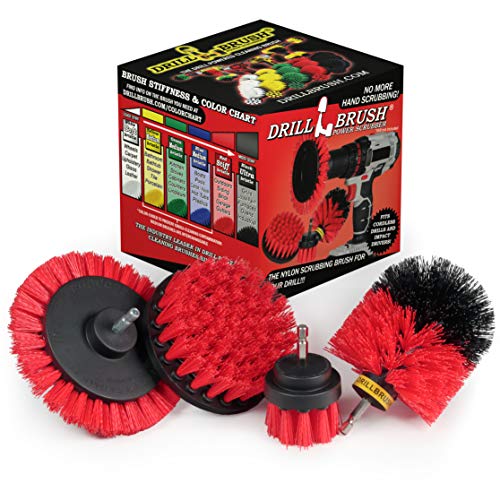
- Stone wall cleaning brush nylon scrub brush exterior brick and stone


Before You Start
Assess the wall for loose mortar, cracked stones, or biogrowth. Wear eye protection, gloves, and non-slip footwear. Protect nearby plants and landscaping with plastic sheeting or tarps. Work on a dry day with mild temperatures to prevent rapid moisture absorption and to avoid streaking as surfaces dry. Time estimate: 2–6 hours depending on wall size and stain severity. Never use hot water on older or delicate stone, as it can damage the surface and mortar.
Step-By-Step: How To Clean Exterior Stone Walls
- Attach a 3000 psi gas-powered pressure washer with the surface cleaner suitable for stone. Confirm nozzles are in good condition and set to a wide spray pattern to minimize impact on joints.
- Rinse the wall with plain water to remove loose dirt. Start from the top and work downward to prevent dirty runoff from re-staining cleaned areas.
- Apply a mild cleaning solution, if needed, using a sprayer. Avoid harsh acids; opt for stone-safe cleaners designed for exterior bricks and stones.
- Scrub stubborn areas with the nylon scrub brush, focusing on algae, moss, or stubborn staining. Keep the brush moving to avoid creating streaks or gouges.
- Use the rotary surface cleaner to cover large, flat sections. Maintain a steady speed and overlap passes to ensure even cleaning without gouging mortar joints.
- Rinse thoroughly with the pressure washer, switching to a low-pressure fan spray to remove cleaner residue without forcing water into porous joints.
- Reinspect for remaining stains. Re-treat small sections if necessary, but avoid over-wetting cracks and joints to prevent moisture damage.
- Allow the wall to dry completely. Inspect joints for any damage and seal if appropriate, following manufacturer guidance for your stone type.
Troubleshooting
| Symptom | Likely Cause | Fix | Prevention |
|---|---|---|---|
| Streaks after cleaning | Uneven spray pattern or missed spots | Retry with overlapping passes and broader strokes | Maintain consistent speed and keep nozzle level |
| Damaged mortar or loose stones | Excessive pressure or direct hits on joints | Reduce pressure, avoid joints, and inspect for repair needs | Use surface cleaner and keep distance from joints |
| Algae returns quickly | Underlying moisture or shade promoting growth | Improve drainage and consider periodic maintenance | Trim nearby foliage and ensure sun exposure where possible |
| Water intrusion around bricks | Direct spraying on vulnerable mortar | Angle wand away from mortar; use gentler pressure | Plan cleaning with dry conditions and protective barriers |
Common Mistakes
- Using high pressure directly on mortar joints, causing spalling or loosening
- Cleaning in direct sunlight or on hot surfaces leading to streaks
- Rushing through the job and missing areas, creating uneven results
- Neglecting safety gear or protecting surrounding plants and property
Tips For Best Results
- Test a small, inconspicuous area first to confirm stone compatibility with cleaners and pressure
- Work from top to bottom and left to right in uniform sections for consistent appearance
- Keep a consistent distance between nozzle and wall; closer is not always better
- Use a surface cleaner on large, flat sections to reduce streaking and protect joints
- Provide adequate drainage so that dirty rinse water doesn’t pool at the base of the wall
Call A Professional
Consider professional help if the wall has extensive mortar deterioration, delicate historical stone, or deep staining that doesn’t respond to standard cleaning. Stop and consult a pro if any of the following occur: cracks widening, loose stones, or signs of moisture damage behind the wall. A specialist can assess structural integrity and recommend appropriate restoration or sealing options.
FAQ
What cleaning solution should I use on exterior stone?
Choose a stone-safe cleaner designed for exterior walls; avoid acidic or caustic formulas that can damage stone or mortar.
Can I use a pressure washer on all stone types?
Most stone types tolerate pressure washing, but fragile or historical stone may require gentler methods or professional assessment.
How often should exterior stone walls be cleaned?
It depends on climate and nearby vegetation, but a thorough cleaning every 1–3 years is common, with spot cleaning as needed.
Is sealing necessary after cleaning?
Sealing can help protect porous stone, but consult the stone type and sealant guidelines before applying.
What if mortar is damaged after cleaning?
Address mortar damage promptly with repointing or professional masonry repair.
Is a chemical wash required for tough stains?
Often not necessary; start with mechanical cleaning and mild cleaners before considering stronger chemicals.
Should I paint the wall after cleaning?
Painting is generally not recommended for natural stone; consider sealers or protective coatings if advised by a pro.
Buying Guide
Choosing the right equipment for cleaning exterior stone walls involves several factors. Size matters: larger walls benefit from a pressure washer with a wide-spray surface cleaner to reduce time and effort. Noise level and fuel source affect compatibility with residential spaces. Look for energy efficiency in electric models if you prefer quieter operation, though many powerful options use gas power for reliability and performance. Controls should be straightforward, with adjustable pressure ranges and safe trigger mechanisms. Placement considerations include access to power or fuel, run-off management, and storage space for bulky spray equipment. Finally, assess maintenance needs and availability of compatible accessories to expand cleaning options, such as different surface cleaners or nylon brushes for textured stone surfaces.
Leave a Reply