How to Get Rid of Condensation on Your Windshield
Condensation on a windshield can reduce visibility and compromise safety. This guide provides practical, do-it-yourself steps to clear fog, prevent it from returning, and keep glass clearer in varying weather conditions. The advice focuses on common-sense methods and readily available products for American drivers.
Quick Answer
Quick fix: Use a 12V car dehumidifier to pull moisture from the cabin air, apply a windshield anti fog spray, and wipe with a microfiber cloth. For ongoing prevention, combine these with regular window drying and cabin ventilation.
What You’ll Need
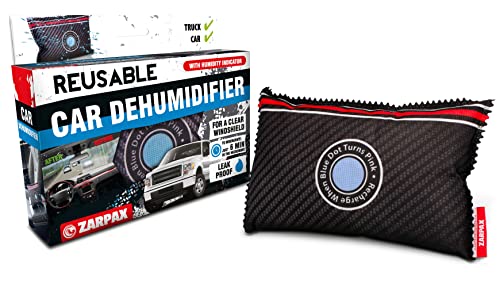
- 12V car dehumidifier for windshield fog removal
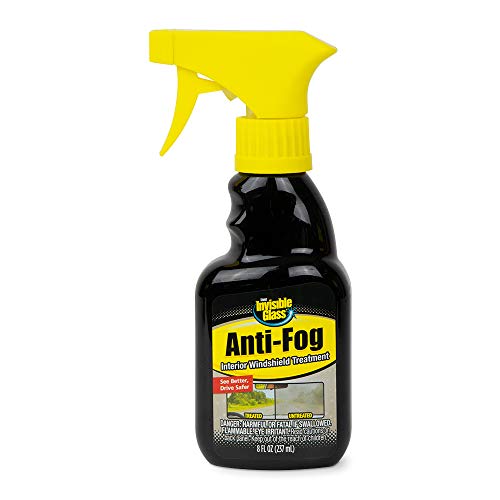
- car windshield anti fog spray 250ml for defogging
- microfiber cloth set for windshield defogging and drying

Before You Start
Assess the environment: humidity levels, temperature swings, and whether the windshield has minor cracks or chips that could worsen with moisture. Ensure you have a clear, dry space to work. Safety notice: never use sharp tools on glass or apply products to hot glass. If visibility is severely impaired, pull over safely and wait for conditions to improve. Time estimates vary, but expect 5–15 minutes for a complete fog-clearing routine on most mornings.
Step-By-Step: How To Clear Windshield Condensation
- Start the car and switch to fresh air intake rather than recirculate to replace humid cabin air with drier outside air.
- Turn on the defroster to the highest setting for your front windshield, then gradually adjust to a comfortable temperature.
- If available, turn on air conditioning. A/C helps remove humidity from the cabin air even in winter.
- Place the 12V car dehumidifier for windshield fog removal in the cabin or under the dash if it’s designed for portable use, and allow it to run for several minutes to reduce moisture levels.
- Apply the windshield anti fog spray 250ml for defogging to the inner surface of the glass. Follow the product directions for application and buff with a microfiber cloth.
- Wipe the inner surface with a microfiber cloth set to remove any residue and ensure an even coating. Use a dry cloth for final buffing.
- Wipe the exterior of the windshield if you notice moisture on the outside, which can contribute to fogging on cold mornings.
- Keep a small microfiber cloth in the glove box for quick touch-ups during drives where humidity spikes are likely.
- If fog returns, reapply anti fog spray or repeat the dehumidifier cycle to restore clear visibility quickly.
Troubleshooting
| Symptom | Likely Cause | Fix | Prevention |
|---|---|---|---|
| Persistent fog after using defroster | High cabin humidity or insufficient airflow | Increase airflow, run A/C, and reapply anti fog spray | Ventilation on lower settings plus periodic dehumidification |
| Fogging on the inside only | Moisture buildup on interior surfaces | Wipe surfaces with microfiber cloth; check for leaks | Use cabin dehumidifier regularly |
| Fog on both sides | Temperature difference between inside and outside | Adjust temperature gradually; avoid extreme changes | Consistent climate control during commutes |
| Scratches or residue after spray | Improper application or using low-quality spray | Follow directions and switch to a gentler microfiber cloth | Test on a small area first |
Common Mistakes
- Using the heater at high heat while the windows are misty, which can bake moisture into the glass.
- Rubbing the glass with rough cloths, which can scratch the surface and worsen fogging.
- Ignoring exterior conditions; fogging can be caused by moisture on the windshield surface or in the environment.
- Assuming fog is only a winter issue; humidity spikes in summer mornings can also cause interior condensation.
Tips For Best Results
- Regularly Inspect and Clean Glass: Keep the windshield clean to prevent fog particles from adhering to the surface. A clean surface defogs more effectively.
- Combine Methods: Use the dehumidifier and anti fog spray together rather than relying on one approach.
- Ventilation Habit: Maintain a habit of using fresh air intake and suitable fan settings during commutes to minimize moisture buildup.
- Store Essentials: Keep a high-quality microfiber cloth set accessible and resistant to oils and residues for quick touch-ups.
- Seasonal Prep: Before winter, check for leaks around doors and windows that might introduce extra humidity into the cabin.
Call A Professional
Consider contacting a professional if condensation persists despite routine defogging, or if the windshield shows signs of cracks, chips, or water intrusion around seals. Seek help if fogging recurs after a full cabin dry-out or if you notice unusual odors or persistent moisture in the interior after rain.
FAQ
What causes windshield condensation?
Condensation occurs when moist cabin air meets a cooler glass surface, causing water vapor to condense into tiny droplets.
Can I drive with a foggy windshield?
It is unsafe; visibility is reduced. Clear the fog before driving or pull over safely to defog.
Is a dehumidifier essential for defogging?
Not essential, but it helps reduce humidity quickly in the cabin, especially in high-humidity climates.
How often should I reapply anti fog spray?
Follow the product instructions, typically when fogging returns or after cleaning the windshield.
Buying Guide
When choosing tools to manage windshield condensation, consider size, ease of use, and how they fit your vehicle and climate. How loud is the device, and does it require a vehicle outlet? Look for sprays that resist rinsing off easily and leave a clear, even finish. A microfiber cloth set with multiple absorbent options helps with both defogging and drying. Energy usage matters for devices like a 12V car dehumidifier—select models with efficient power and compact form for easy storage. Placement and accessibility matter: keep the dehumidifier within reach and the spray and cloths in the glove box or console for quick access during morning commutes. Compare how each option handles exterior moisture during rain or dew and how long it maintains clarity without reapplication. Finally, consider durability and warranty, and confirm compatibility with your vehicle’s interior and air system.
Leave a Reply