Effective Ways to Remove Biofilm in a Freshwater Fish Tank
Biofilm is a thin layer of microorganisms that can form on tank surfaces, decorations, and equipment. While some biofilm is normal, excessive buildup can affect water quality and fish health. This guide offers practical, step-by-step methods to reduce biofilm in a home aquarium, using common tools and safe practices for American hobbyists.
Quick Answer
Target surface cleaning with gentle agitation, regular siphoning, and occasional sterilization where appropriate. Use an approved cleaner for tank surfaces only, and combine mechanical removal with improved filtration and water maintenance. For persistent issues, introduce inline UV sterilization to reduce microbial hotspots, following manufacturer instructions.
What You’ll Need
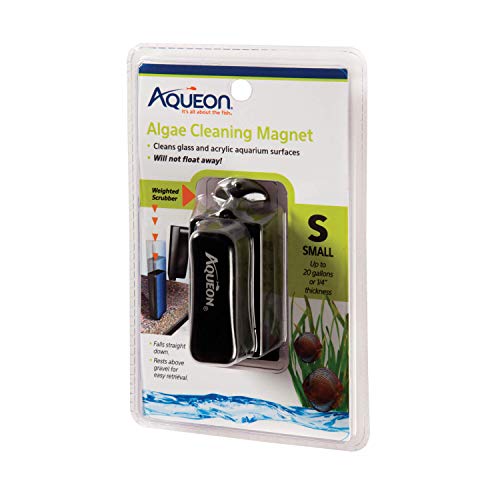
- Magnetic aquarium algae scraper glass cleaner
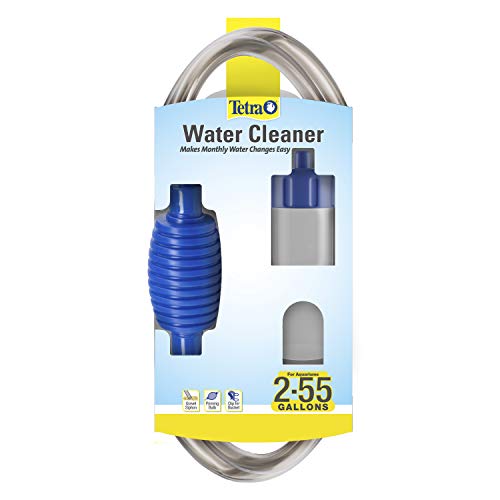
- Aquarium gravel vacuum siphon with hose
- Inline UV sterilizer aquarium

Before You Start
Prepare a clean bucket, a spare siphon hose, and a towel for spills. Ensure the tank is stable and the filter is running. Never remove large amounts of biofilm from the entire tank at once as it can disturb beneficial bacteria. Plan to schedule maintenance during a calm period when fish are not feeding aggressively. Typical session time ranges from 20 to 60 minutes, depending on tank size and biofilm intensity.
Step-By-Step: How To Reduce Biofilm In Your Aquarium
- Turn off all equipment and unplug heaters before cleaning to avoid injury to fish or equipment.
- Use the magnetic aquarium algae scraper glass cleaner to gently lift biofilm from the glass surfaces. Work in small sections to avoid scratching the glass.
- Remove loose debris from the substrate with the aquarium gravel vacuum siphon with hose, running the siphon slowly to prevent disturbing fish excessively.
- Clean the water column by performing a partial water change (about 15–25%), using a conditioned water that matches tank temperature to minimize stress.
- Inspect filter media and remove or rinse clogged components. Replace media as needed according to the manufacturer’s guidance to maintain optimal flow and biofilm control.
- If persistent biofilm clusters remain on hard-to-reach areas, consider installing an inline UV sterilizer aquarium to target microscopic organisms in the water column, following device instructions for flow rate and exposure time.
- Reassemble equipment and restart the filtration system. Allow tanks to settle and monitor ammonia, nitrite, and nitrate levels after cleaning.
- Repeat the cleaning cycle regularly, combining mechanical removal with consistent water changes to prevent rapid regrowth of biofilm.
- Introduce routine tank maintenance: clean glass weekly, vacuum substrate monthly, and check for dead zones in the filter flow that could harbor biofilm formation.
- Reduce light exposure if algae-driven biofilm grows rapidly; maintain a balanced light schedule appropriate for the fish species and plants in the tank.
- Keep fish stress low by cleaning during daytime when they are active, and avoid sudden temperature changes during water replacements.
- Document maintenance and test water parameters to identify trends that contribute to biofilm growth, adjusting maintenance frequency as needed.
Troubleshooting
| Symptom | Likely Cause | Fix | Prevention |
|---|---|---|---|
| Biofilm returns quickly after cleaning | Insufficient filtration or high nutrient levels | Clean or replace filter media; perform more frequent water changes | Monitor feeding, avoid overfeeding; test and manage nitrates |
| Glass coatings reappear within days | Excess light or nutrient input | Adjust light duration; reduce fertilizers if used | Stagger lighting and maintain steady photoperiods |
| Cloudy water after cleaning | Disrupted beneficial bacteria or incomplete water changes | Run filter longer and reintroduce beneficial bacteria if needed | Match water parameters and avoid drastic changes |
| UV sterilizer not reducing biofilm | Low water flow or incorrect installation | Check nozzle placement and flow rate; ensure proper wiring | Follow manufacturer guidelines for installation |
Common Mistakes
- Over-cleaning glass while neglecting substrate and filter hygiene
- Using harsh cleaners or soaps that leave residues irritating to fish
- Relying solely on UV sterilization without addressing nutrient balance and filtration
- Ignoring water testing results; biofilm thrives in nutrient-rich water
Tips For Best Results
- Schedule regular 15–25% water changes to manage dissolved nutrients.
- Maintaining a consistent feeding routine prevents excess food that fuels biofilm growth.
- Use the magnetic glass cleaner to target hard-to-reach corners without draining the tank.
- Keep a maintenance log noting cleaning dates, water parameters, and equipment checks.
- Complement mechanical cleaning with proper nutrient control and stable lighting.
Call A Professional
Consider professional help if you notice persistent cloudy water, severe algae blooms, or rapid fish distress despite regular maintenance. Seek a technician when there are signs of equipment malfunctions, persistent ammonia spikes, or if you are unsure about safe handling of filtration components or UV sterilizers.
FAQ
What is biofilm and why is it on my tank surfaces?
Biofilm is a community of microorganisms that adhere to surfaces and form a protective matrix. It often develops on glass, substrate, and decorations where moisture and nutrients are available.
How often should I clean biofilm from a home aquarium?
Light biofilm can be cleaned during routine maintenance, while heavy buildup may require more frequent cleaning. Balance cleaning with preserving beneficial bacteria.
Will an inline UV sterilizer harm my beneficial bacteria?
When used correctly with appropriate flow rates, UV sterilizers reduce free-floating microorganisms without significantly disturbing established biofilters.
What should I do if my tank water becomes cloudy after cleaning?
Check filter function, perform a partial water change, and test water parameters. Cloudiness often resolves with proper filtration and stable parameters.
Is it safe to use a gravel vacuum while fish are in the tank?
Yes, but do so gently to minimize stress. Vacuum in short passes and avoid removing too much water at once.
Can I use household cleaners to remove biofilm?
No. Household cleaners can leave harmful residues. Use aquarium-safe tools and cleaners designed for aquariums.
Buying Guide
When selecting tools to manage biofilm in a fish tank, consider size, compatibility with your setup, and maintenance needs. A well-rounded approach combines mechanical cleaning, efficient filtration, and optional UV sterilization.
- <bSize and compatibility: Ensure the magnetic cleaner fits your tank width and glass thickness. For heavily planted tanks, choose a model that won’t disturb substrate or plants.
- <bNoise and energy use: Look for energy-efficient filters and pumps. Quieter models reduce disturbance to both fish and household occupants.
- <bEnergy efficiency: Inline UV sterilizers should match your filter flow rate; oversized units waste energy without added benefits.
- <bControls and ease of use: Prefer devices with straightforward maintenance indicators and easy access for cleaning.
- <bPlacement and integration: Consider how the gravel vacuum will fit with your filtration system and whether an inline UV unit can be added without major rewiring.
- <bReliability and replacement parts: Choose reputable brands with readily available spare parts and customer support.
Thinking about a multi-tool approach? A magnetic cleaner, gravel siphon, and inline UV sterilizer can cover most common biofilm challenges. Assess your tank size, stocking level, and maintenance capacity to decide which combination best fits your routine. If you’re unsure, consult a local aquarium shop or an online community for recommendations tailored to your tank.
Leave a Reply