How to Get Rid of Kimchi Breath
Kimchi breath, caused by sulfur compounds and fermented foods, can linger after meals. A targeted routine that combines tongue cleaning, thorough rinsing, and targeted tools can reduce odor and improve confidence in social and professional settings. This guide outlines practical steps using common oral care devices available in American markets.
Quick Answer
Root causes include sulfur compounds from fermentation and poor tongue hygiene. Best immediate fixes involve cleaning the tongue, flushing the mouth, and using targeted tools to prevent odor buildup. Key tools include a stainless steel tongue scraper for halitosis, a water flosser for bad breath relief, and an electric toothbrush with a tongue cleaning attachment.
What You’ll Need
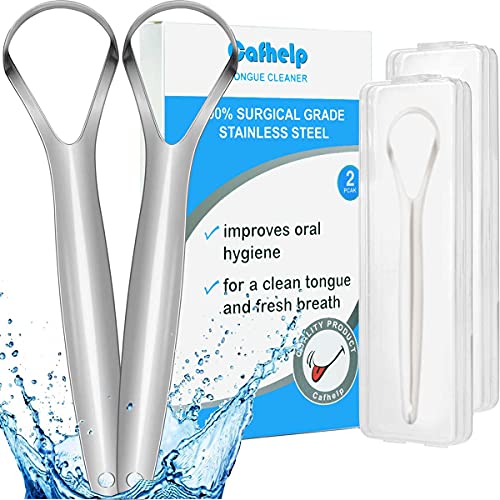
- Stainless steel tongue scraper for halitosis — for effective coating removal on the tongue surface
- Water flosser for bad breath relief — helps reach plaque between teeth and along the gumline
- Electric toothbrush with tongue cleaning attachment — builds a multi-tool routine for surface cleaning and tongue care


Before You Start
Before beginning, ensure you have a clean sink, a mirror, and a timer. Limit highly acidic beverages right before cleaning, as they can irritate the tongue. Safety note: if you have mouth ulcers, gum disease, or recent dental work, pause aggressive tongue cleaning and consult a dentist. Plan for a 5–10 minute routine and avoid over-cleaning, which can irritate the tongue’s surface.
Step-By-Step: How To Get Rid Of Kimchi Breath
- Rinse with a mild, pH-balanced mouthwash to loosen sulfur compounds and reduce initial odors.
- Use the electric toothbrush with the tongue cleaning attachment. Brush the tongue from back to front with gentle pressure for 60 seconds.
- Switch to the stainless steel tongue scraper for halitosis. Start at the back of the tongue and pull forward in four to five smooth strokes, rinse, and repeat.
- Apply a deliberate, circular motion along the inner cheeks and the roof of the mouth to remove odor-causing biofilm.
- Prepare the water flosser for bad breath relief. Set to a low-to-moderate pressure and target the spaces between teeth and along the gumline for 60–90 seconds.
- Rinse thoroughly with water, then use the tongue scraper again to remove any loosened debris from the surface.
- Drink a glass of water to hydrate the mouth and stimulate saliva production, which naturally combats odor.
- Chew sugar-free gum or mints after the routine to maintain fresh breath between brushing sessions.
- Label a daily routine and stick to it, especially after consuming kimchi or other sulfur-rich foods.
- Check for consistent results over the next several days; adjust pressure and duration if sensitivity occurs.
- Maintain regular dental visits to monitor tongue hygiene effectiveness and overall oral health.
Troubleshooting
| Symptom | Likely Cause | Fix | Prevention |
|---|---|---|---|
| Breath remains strong after routine | Tongue coating or debris | Increase tongue cleaning duration; re-scrape and re-brush | Incorporate tongue care into daily dental routine |
| Gum irritation during flossing | Aggressive technique or sensitive gums | Reduce pressure; use a softer setting on devices | Consult dentist if irritation persists |
| Dry mouth between meals | Low saliva production | Increase water intake; chew sugar-free gum | Moderate caffeine and alcohol; stay hydrated |
| Oral infection signs (pain, swelling) | Underlying dental issue | See a dentist promptly | Maintain good cleaning habits and regular checkups |
Common Mistakes
- Over-cleaning the tongue, which can cause irritation and small injuries
- Relying on mouthwash alone without mechanical tongue cleaning
- Using a rough scraper with heavy pressure, potentially injuring the tongue
- Ignoring hydration; dry mouth worsens odor
Consistency matters more than intensity. A simple daily routine with the right tools yields better long-term results.
Tips For Best Results
- Incorporate tongue cleaning into every morning and evening routine for noticeable odor reduction.
- Choose a water flosser for bad breath relief with adjustable pressure to fit comfort and effectiveness.
- Store tools in a dry, clean area to prevent microbial buildup on the devices themselves.
- Pair with a balanced diet; fermented foods can affect breath temporarily, so timing matters for confident social interactions.
- Consider using a tongue cleaner that’s easy to grip and rinse to ensure thorough cleaning each time.
Call A Professional
If persistent bad breath continues despite a consistent routine, seek dental advice. Stop signs include sudden changes in breath odor, mouth ulcers that don’t heal, or signs of gum disease. A dental professional can assess for underlying issues such as infections, tooth decay, or sinus problems that may contribute to halitosis.
FAQ
Can a tongue scraper really help with kimchi breath?
Yes. A tongue scraper removes the built-up biofilm and sulfur compounds on the tongue surface, reducing odor-causing residue.
How often should I use a water flosser for breath relief?
Use it once daily, focusing on the teeth and gumline, for 60–90 seconds as part of a complete routine.
Is an electric toothbrush necessary for tongue cleaning?
It isn’t mandatory, but an electric toothbrush with a tongue cleaning attachment can improve efficiency and consistency.
What foods should I avoid to prevent strong kimchi breath?
Staying mindful of sulfur-rich foods and acidic beverages can help, but keep a balanced approach; hydration and mouth hygiene are key.
When should I see a dentist for bad breath?
If odor persists despite daily cleansing and good oral hygiene, or if it is accompanied by pain, bleeding, or swelling, schedule a dental checkup.
Can I use baking soda rinse to manage kimchi breath?
A mild baking soda rinse can neutralize acids temporarily, but it should be used sparingly and not replace mechanical cleaning.
Will mouthwash alone solve the problem?
Moisturizing mouthwash helps, but best results come from combining mouthwash with tongue cleaning, brushing, and flossing.
Buying Guide
Choosing the right tools can boost the effectiveness of a breath-cleaning routine. Start with the core trio of tools and evaluate based on size, noise, energy efficiency, controls, and placement in your bathroom and oral care setup.
- <bSize and ergonomics: Look for a tongue scraper with a comfortable handle and a wide, sturdy blade. Stainless steel options tend to last longer and resist corrosion.
- <bNoise level: Water flossers can be noisy. If noise is a concern, seek models with quiet pulsation modes and ergonomic nozzles for targeted cleaning.
- <bEnergy efficiency: Electric toothbrushes should offer long battery life and automatic pressure sensing to prevent over-brushing on tender areas.
- <bControls: Favor intuitive controls and a dedicated tongue cleaning attachment that fits your brush head system for seamless transitions.
- <bPlacement: Store devices where they dry between uses to prevent mold and odor buildup. A dedicated mug or stand helps keep brushes organized.
When comparing options, look for complete kits that include a tongue scraper, a compatible water flosser head, and a tongue cleaning attachment for the electric toothbrush. Consider your daily routine, lifestyle, and comfort level with each device to maximize results. Would you prefer a compact setup for travel or a full, stationary system for home use? Both paths can achieve fresh breath with consistency.
Leave a Reply