How to Clean a Cloth Sofa at Home
Many households rely on cloth sofas for comfort and style, but keeping them clean can be a challenge. This guide offers practical, at-home methods using common tools and targeted products to refresh fabric upholstery without professional help.
Quick Answer
For routine refresh, use an upright vacuum with upholstery attachment to remove loose debris, followed by spot cleaning with an upholstery stain remover spray. When deep cleaning is needed, a portable fabric steamer for upholstery sofa cleaning helps lift dirt and refresh fibers. Always test cleaners on a hidden area first and allow the fabric to dry completely before use.
What You’ll Need
- Upright vacuum with upholstery attachment for fabric sofa
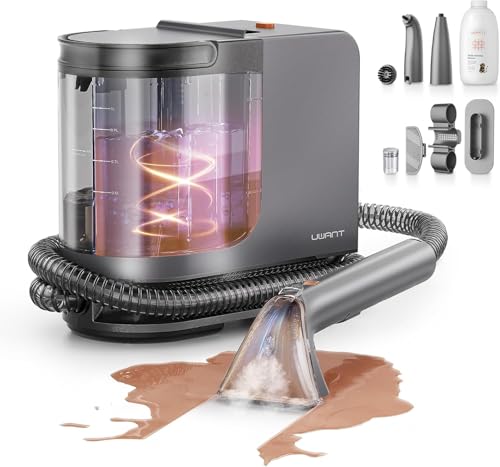
- Portable fabric steamer for upholstery sofa cleaning
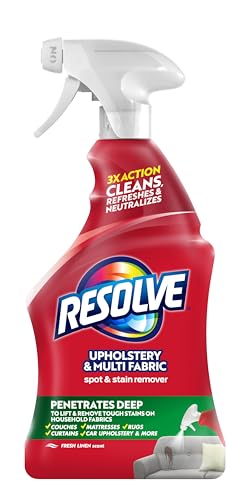
- Upholstery stain remover spray for fabric sofa cleaning
- Clean white cloths or microfiber towels
- Soft-bristled brush
- Water and mild detergent (optional)
- _bucket and spray bottle (optional for DIY spray)

Before You Start
Check the sofa care label to confirm fabric type and any cleaning restrictions. Vacuum thoroughly to remove dust, crumbs, and pet hair. Test any cleaner in an inconspicuous area, such as the inner arm or a seam, and wait 24 hours to ensure colorfastness. Protect surrounding furniture and floors with a drop cloth or towels. Allow ample drying time after cleaning, usually 4–6 hours, or longer for dense fabrics.
Step-By-Step: How To Clean A Cloth Sofa At Home
- Remove all cushions and vacuum the entire surface, including under cushions and in crevices, using the upholstery attachment.
- Dip a clean cloth in water and wring it out well. Lightly blot any stains to lift surface dirt without saturating the fabric.
- Apply a small amount of upholstery stain remover spray to a clean cloth or directly to the fabric following the product instructions. Blot—do not rub—to avoid fiber damage.
- For deeper cleaning, use the portable fabric steamer for upholstery sofa cleaning. Hold the steamer about 6–8 inches from the fabric and move slowly to lift dirt from fibers.
- Use a soft-bristled brush to gently lift nap fibers after steaming, which helps restore fabric texture and appearance.
- Wipe away any remaining cleaner residue with a clean, damp cloth. Repeat as needed for stubborn spots, always blotting rather than scrubbing.
- Let the sofa air dry completely. Open windows or use a fan to speed drying, ensuring no moisture remains inside cushions or seams.
- Reinsert cushions and plump them to restore shape once fully dry. Vacuum lightly again if dust settles during drying.
- For routine maintenance, schedule monthly cleanings and promptly address spills to prevent staining and odor buildup.
- Keep a small stain removal kit handy for quick touch-ups between deeper cleanings.
- Store and maintain tools properly to extend their life and effectiveness for future cleanings.
- Document any fabric-specific instructions from the label for future reference to avoid damage.
Troubleshooting
| Symptom | Likely Cause | Fix | Prevention |
|---|---|---|---|
| Stains reappear after cleaning | Residual dye or deep-set stains | Use a stain remover designed for the fabric and re-clean, applying with a blotting motion | Address spills immediately; blot, don’t rub |
| Fabrics feel stiff after cleaning | Detergent residue or over-wetting | Rinse with a clean damp cloth and allow thorough drying | Use minimal product and ensure complete drying |
| Color fading or dark spots | Sun exposure or incompatible cleaners | Avoid direct sun during cleaning; test cleaners first | Keep sofa away from strong sunlight |
| Musty odor after cleaning | Moisture trapped in cushions | Increase air flow, use fans, and re-dry affected areas | Dry promptly after each cleaning |
Common Mistakes
- Over-wetting the fabric, which can lead to mold or mildew and fiber damage.
- Rubbing stains aggressively, which can spread them or fray fibers.
- Using bleach or harsh cleaners on colored fabrics, causing discoloration.
- Skipping a test patch on the fabric before full-cleaning.
- Ignoring the manufacturer’s care label hints, risking warranty issues.
Tips For Best Results
- Always work from the outer edge of a stain toward the center to prevent spreading.
- Move slowly with the portable fabric steamer to avoid saturating any single area.
- Regularly vacuum the sofa to minimize dirt buildup between cleanings.
- Use a white cloth for stain tests to accurately assess colorfastness.
- Consider rotating and flipping cushions to distribute wear evenly.
Call A Professional
Consider professional cleaning if the fabric is delicate, heavily soiled, or if odors persist after at-home cleaning. Seek immediate help if the sofa has sustained water damage, persistent stains, or if color transfer occurs during cleaning. If any upholstery warranty requires professional service for certain stains or treatments, follow those guidelines.
FAQ
Can I use a steam cleaner on all fabric types?
Steam is effective on many fabrics, but always check the care label and test a hidden area first to avoid damage.
How often should I clean a cloth sofa?
For most homes, a light vacuum weekly and a deeper clean every 3–6 months suffices, depending on use and kids or pets.
Is it safe to use household detergent on fabric sofas?
Use a mild detergent or a product designed for upholstery, following label directions to prevent residue and discoloration.
What should I do about pet hair on a fabric sofa?
Vacuum regularly, use a lint roller, and consider a silicone brush to lift fur before cleaning stains.
How long does a cleaned sofa take to dry?
Dry time varies with fabric, humidity, and air flow; plan for at least 4–6 hours, or longer for dense fabrics.
Buying Guide
When choosing tools and cleaners for at-home cloth-sofa care, consider several factors to optimize results and protect fabric:
- Size and coverage: Choose a portable fabric steamer and vacuum attachments that fit your sofa dimensions and cleaning frequency.
- Noise level: Look for quiet models to avoid disturbing household activities during cleaning.
- Energy efficiency: Opt for energy-efficient steamers and vacuums with good suction without excessive power use.
- Controls and ease of use: Simple controls, clear instructions, and quick-release attachments save time and effort.
- Placement and storage: Select compact units that fit in closets or laundry rooms and store with no tip risk.
- Fabric compatibility: Verify cleaners and steamers are safe for your sofa’s fabric type on the care label.
- Replacement parts and accessories: Ensure easy availability of replacement brushes, nozzles, and cleaning sprays.
- Multi-use value: A versatile upright vacuum with upholstery attachment and a dedicated upholstery stain remover spray can cover most routine needs.
Think about your living space, pet presence, and cleaning cadence. If you frequently entertain or have children, a robust vacuum with effective upholstery tools plus a reliable stain remover spray can simplify maintenance and keep fabrics looking fresh.
Leave a Reply