How to Remove Blue Tint in Hair From Toner: Simple, Safe Steps
Blue tones in hair can occur after toning or dyeing, leaving an unwelcome cast that fades unevenly as color settles. This guide walks American readers through practical methods to neutralize a blue tint, using accessible products and careful techniques. By following these steps, you can restore a more natural shade while protecting hair health.
Whether you want to lift the blue tint from a temporary toner or refresh a salon color, the right approach depends on the underlying pigment and hair condition. The following sections provide clear instructions, tools, and safety notes to help you decide when to DIY and when to seek professional help.
Quick Answer
Choose a color-safe clarifying shampoo or a dedicated hair color remover kit for blue dye to neutralize the blue cast. If the tint is stubborn, apply a professional hair dye remover spray designed for blue tones in small, targeted sections. Test a strand first and follow label directions closely to minimize damage.
What You’ll Need
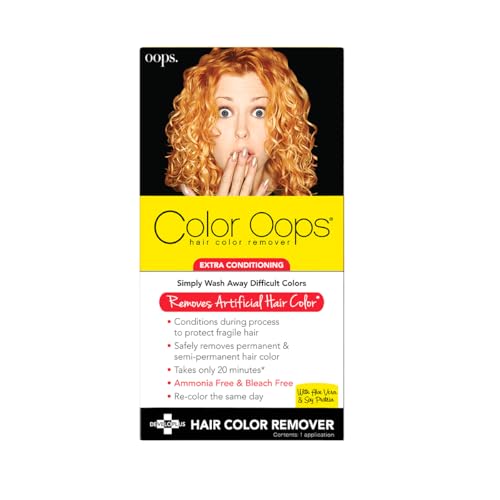
- Hair color remover kit for blue dye
- Color-safe clarifying shampoo to remove blue tint
- Professional hair dye remover spray for blue tones
- Tint-safe conditioner or deep conditioner
- Gloves, timer, and a plastic shower cap


Before You Start
Assess hair health before beginning. If the hair feels dry or damaged, proceed with extra conditioning and strand testing. Always perform a strand test to gauge how the hair reacts to the remover or clarifying shampoo, and avoid overlapping color onto already-lightened ends. Avoid mixing products unless the label explicitly permits it.
Work in a well-lit area, use gloves, and protect clothes and countertops. Leave-in time recommendations differ by product, so read the directions carefully. Plan for a mild to moderate color correction session, not a single quick step, especially on previously processed hair.
Step-By-Step: How To Remove Blue Tint In Hair From Toner
- Perform a strand test to determine how hair lightens or neutralizes with a remover or clarifier.
- Wash hair with a color-safe clarifying shampoo to remove blue tint as a base cleanse, using lukewarm water and gentle massaging motions.
- If the blue tint persists, apply a hair color remover kit for blue dye according to the product instructions, focusing on areas with the strongest tint.
- Rinse thoroughly and condition with a hydrating, tint-safe conditioner to restore moisture.
- For stubborn blue tones, use a professional hair dye remover spray for blue tones on targeted sections, following the spray’s directions for application and processing time.
- Rinse completely, then apply a deep conditioner or bond-building treatment to maintain hair strength.
- Style as usual or air-dry to assess the result. If a cool, ashier hue is still desired, repeat in small, spaced intervals rather than in a single session.
- Schedule a professional color consultation if the blue cast remains after multiple at-home attempts or if the hair shows signs of damage.
- Seal in moisture with a leave-in conditioner and a heat-protectant product if heat styling is planned.
- Maintain color balance with a color-safe regimen to prevent future blue buildup, and re-check after every wash for the first week.
Troubleshooting
| Symptom | Likely Cause | Fix | Prevention |
|---|---|---|---|
| Persistent blue tint after washing | Residual dye or toner pigment | Repeat clarifying wash or targeted remover application | Do a strand test first; don’t overprocess |
| Hair feels excessively dry after treatment | Overuse of remover or high-porosity hair | Deep condition, moisture mask, and reduce processing time | Follow up with regular conditioning and protein-moisture balance |
| Uneven color after correction | Uneven application or untreated sections | Reapply product evenly in small sections, repeat test strand | Section hair meticulously during every step |
| Hair shows brass or yellow tones | Underlying pigment exposure | Use an ash-toned color-safe product sparingly |
Common Mistakes
- Applying remover on overly porous hair without conditioning
- Ignoring strand test results and processing times
- Using multiple blue-tint correcting methods simultaneously
- Rushing the rinse and leaving residues behind
Tips For Best Results
- Always start with the mildest option (clarifying shampoo) before moving to stronger removers.
- Document results after each step to track progress and avoid overprocessing.
- Keep a consistent washing schedule with color-safe products to manage tone shifts.
- Consider a gloss or glaze after correction to neutralize any remaining cast and improve shine.
Call A Professional
Seek professional help if the blue tint covers a large area, the hair is severely damaged, or you’re unsure about product interactions. Stop and consult a stylist if you notice excessive breakage, scalp irritation, or a dramatic color imbalance after an at-home treatment. In these cases, a colorist can safely restore the desired tone with controlled techniques.
FAQ
Can I fix blue tones with dye instead of remover?
Yes, a color-correcting dye close to your natural shade can help balance blue hues, but test first and choose a dye labeled for color correction.
How long should I leave remover on hair?
Follow the product instructions precisely; over-processing can damage hair and lead to additional color issues.
Is a clarifying shampoo enough to remove blue tint?
For many lighter toners, yes, but persistent blue may require a dedicated remover or targeted treatment.
How often can I perform color correction at home?
Limit to 1–2 sessions per week with adequate conditioning between sessions to minimize damage.
Buying Guide
When choosing products to address a blue tint in hair, consider size, formulation, and compatibility with your hair type. A color-safe clarifying shampoo is often an excellent first line of defense for mild tonal issues, while a hair color remover kit for blue dye provides more substantial correction. If you opt for a professional hair dye remover spray for blue tones, select a product that offers precise impact zones and easy wipe-off application to spare healthy sections. Always read labels for processing times and patch-test recommendations.
Key buying factors include size (how long products last between applications), noise level (not relevant for most at-home tools but relevant for devices with drying components), energy efficiency (mainly for heat tools used alongside), and controls (ease of use, clear timings). Consider placement in a bathroom cabinet or vanity that is accessible yet away from moisture-heavy zones. For multi-product needs, a kit bundle that combines clarifying shampoo and color remover may deliver a balanced approach to blue tint correction.
Would you prefer a quick fix or a longer-term color management plan? The right combination depends on your hair’s porosity, previous chemical history, and how quickly you want to see a natural tone return. Start with milder options, monitor progress, and escalate only if necessary. A well-chosen kit can save time and protect hair integrity while restoring your preferred shade.
Leave a Reply