How to Clean Surgical Steel Jewelry
316L surgical stainless steel is prized for its durability and corrosion resistance, making it a popular choice for everyday wear. Proper cleaning helps maintain its shine and prevents dulling from oils, sweat, and environmental factors. This guide provides a practical, step-by-step method to safely clean surgical steel jewelry at home.
Readers will learn quick methods for routine cleaning, a thorough process for deeper polishing, and tips to avoid common issues that can dull or scratch the metal over time.
Quick Answer
For routine cleaning, rinse with warm water and mild soap, gently scrub with a soft brush, rinse, and dry with a microfiber cloth. For periodic deep cleaning, use a specialized cleaner kit or cleaning solution designed for 316L surgical stainless steel, followed by polishing with a dedicated polishing cloth.
What You’ll Need
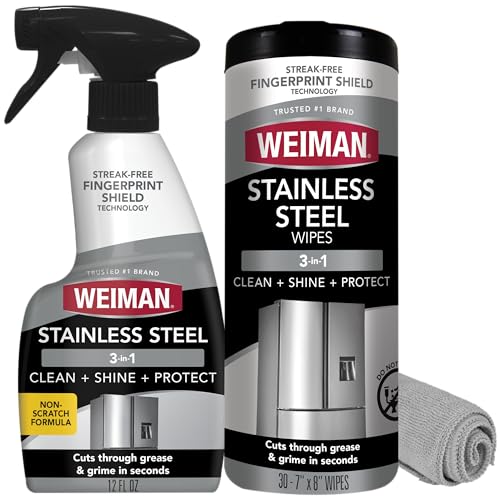
- 316L surgical stainless steel jewelry cleaner kit
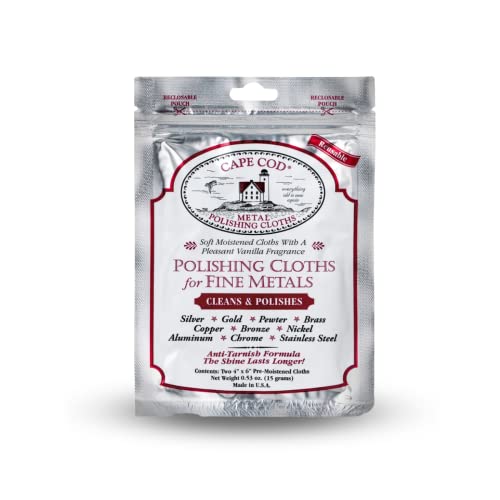
- 316L stainless steel jewelry polishing cloth for surgical steel
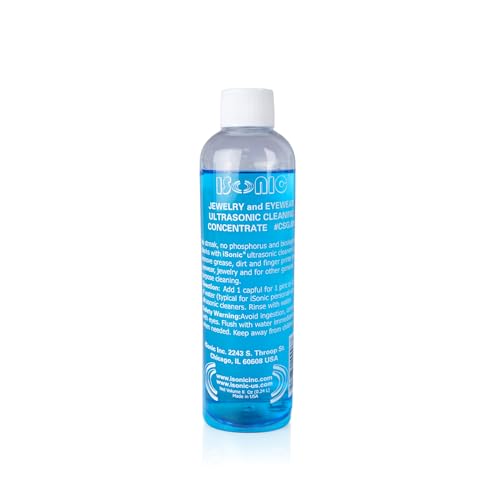
- surgical stainless steel jewelry cleaning solution 316L
- Soft-bristle toothbrush or jewelry brush
- Warm water
- Soft microfiber or lint-free cloth
- Small bowl or cup for soaking (optional)
Before You Start
Inspect pieces for loose clasps, stones, or enamel before cleaning. Use warm water rather than hot, and avoid harsh chemicals or abrasive pads that can scratch the surface. If the jewelry contains gemstones, confirm compatibility with cleaners, as some stones may be damaged by certain formulas. Allow sufficient time for drying to prevent water spots.
Safety tip: Work on a soft surface to prevent drops and use gentle motions to protect delicate parts. Plan cleaning sessions when you have time to thoroughly dry each piece.
Step-By-Step: How To Clean Surgical Steel Jewelry
- Remove the jewelry from any holder, and pause wearing while cleaning to avoid snagging.
- Rinse under warm running water to remove surface oils and loose dirt.
- Prepare a mild cleaning solution by following the instructions on the surgical stainless steel cleaning product or use the provided cleaner kit.
- Soak the piece briefly if allowed by the product; otherwise, dampen a soft brush with the solution.
- Gently scrub all surfaces with a soft-bristle toothbrush, paying attention to crevices, links, and clasps.
- Rinse thoroughly under warm water to remove all soap or cleaner residue.
- Pat dry with a soft microfiber cloth, then buff to a shine using the polishing cloth designed for surgical steel.
- If tarnish remains, repeat the soak and brush steps, or switch to a specialized 316L polishing solution and re-polish.
- Allow pieces to air dry completely before storing to prevent moisture buildup and spotting.
- Store in a dry pouch or jewelry box to minimize exposure to humidity and oils between wears.
- For heavily tarnished surfaces, consider repeating the process with the cleaner kit and polishing cloth until the desired shine returns.
- Regular maintenance: wipe down after wear and perform a light cleaning every few weeks to maintain luster.
Troubleshooting
| Symptom | Likely Cause | Fix | Prevention |
|---|---|---|---|
| Dull, gray appearance | Surface oxidation or built-up oils | Use cleaning solution and a soft brush; buff with polishing cloth | Clean regularly after wear |
| Streaks or water spots | Residual moisture or minerals | Dry thoroughly with microfiber cloth | Rinse with distilled water for sensitive pieces |
| Scratches visible | Abrasive cleaners or pads | Switch to soft-bristle brushes and non-abrasive cloths | Avoid rough pads; store separately |
| Discoloration near gemstones | Incompatible cleaner | Use gemstone-safe cleaner or skip cleaner on stones | Check compatibility before cleaning |
| Clasp or links catching | Loose parts or residue | Gently clean and inspect; tighten if needed by a jeweler | Handle with care; regular checks |
Common Mistakes
- Using harsh chemicals like bleach or ammonia on surgical steel
- Scrubbing with abrasive pads that scratch the surface
- Ignoring gemstones or enamel that may require special cleaners
- Over-soaking pieces longer than recommended by cleaner instructions
- Storing metal jewelry while still damp
Tips For Best Results
- Choose a dedicated 316L cleaner kit and follow the product instructions precisely.
- Pair the cleaner with the polishing cloth for a brighter, uniform shine.
- Clean jewelry in a well-lit area to spot stubborn spots early.
- Perform routine maintenance monthly or as wear patterns dictate.
- Test cleaner on a small, inconspicuous area first if unsure about sensitivity.
Call A Professional
Seek professional help if pieces have severe scratches, structural damage, loose prongs, or stones that require setting. Stop cleaning and consult a jeweler if there is any risk of further damage during handling, or if cleaning would disturb settings or finishes.
FAQ
Can I use regular soap to clean surgical steel jewelry?
Yes, a mild dish soap with warm water is often sufficient for routine cleaning, followed by thorough rinsing and drying.
Is it safe to soak 316L jewelry in cleaner solutions?
Most 316L cleaners allow short soaks; always follow product instructions and avoid prolonged immersion on delicate pieces.
Will cleaning remove scratches?
Cleaning can improve brightness but cannot remove deep scratches; polishing may lessen minor ones.
How should I store cleaned surgical steel jewelry?
Store in a dry pouch or jewelry box away from humidity and other metals to prevent contact-induced tarnish.
Buying Guide
When shopping for 316L surgical stainless steel jewelry cleaning tools, consider the following factors to ensure effective maintenance and long-lasting shine.
Size and Coverage
Choose a cleaner kit that fits the scale of your collection. Smaller kits are ideal for rings and bracelets, while larger kits may cover multiple pieces at once.
Noise Level
Not applicable for cleaning tools, but consider using quiet operation when using battery-powered cleaners or ultrasonic devices if you opt for more advanced options.
Energy Efficiency
Manual cleaning methods consume no energy; if selecting electronic cleaning tools, look for energy-efficient models and auto shut-off features.
Controls and Safety Features
Prefer kits with clearly labeled steps, gentle cleaning settings, and soft-bristle brushes to minimize the risk of scratching.
Placement and Storage
Keep cleaning supplies away from direct sunlight and high humidity. Store all items in a dedicated cabinet or drawer to prevent cross-contamination with other metals or cosmetics.
Leave a Reply