How to Clean Kitchen Cabinets
Kitchen cabinets accumulate grease, dust, and fingerprints over time, especially in busy households. A well-planned cleaning routine can restore their look without damaging finishes. This guide uses practical steps and easy-to-find tools to refresh wood, laminate, and painted surfaces safely.
Whether you’re preparing for a deep clean or a regular maintenance session, following a simple method helps maintain cabinet luster and extend the life of the finish. The steps below emphasize safe cleaning agents and tools that minimize streaks and scratches.
Quick Answer
Start with a light dusting, then use a mild detergent solution on a microfiber cloth. For stubborn grease, employ a grease remover scrub brush, followed by a wipe-down with a damp microfiber duster. Finish with a dry cloth to remove moisture and buff the surface.
What You’ll Need
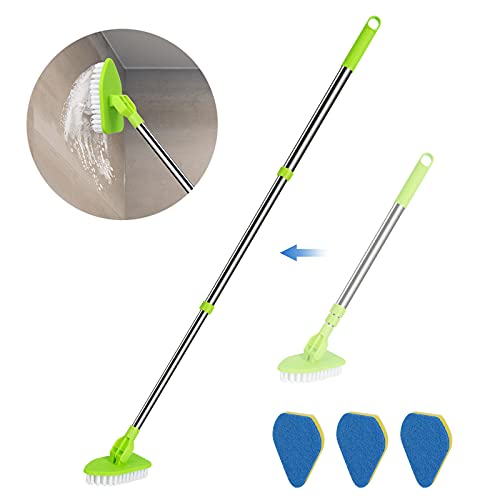
- Cabinet cleaning brush with long handle
- Extendable microfiber duster for kitchen cabinets
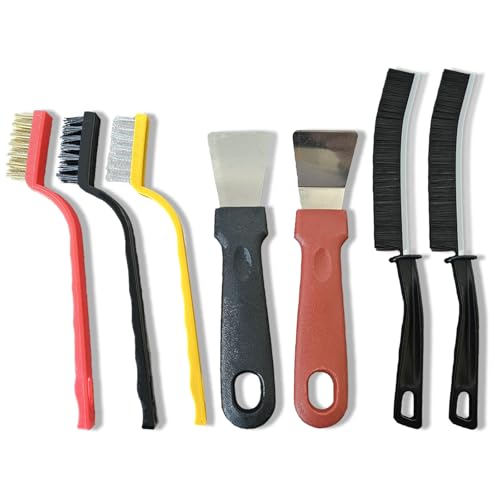
- Grease remover scrub brush for kitchen cabinets
- Gentle dish soap or mild cleaner
- Warm water
- Microfiber cloths or lint-free towels
- Optional wood-safe protective conditioner for wood cabinets

Before You Start
Prepare the area by clearing countertops and laying down a soft cloth to catch drips. Test any cleaner on a hidden area of a cabinet to ensure there’s no adverse reaction. Use ventilation by opening a window or turning on a fan. Work one cabinet at a time to avoid spreading grime. Time estimate: 25–60 minutes depending on cabinet size and dirt level.
Critical cautions include avoiding abrasive pads that can scratch finishes, not soaking wood with water, and never mixing cleaners with bleach or ammonia.
Step-By-Step: How To Clean Kitchen Cabinets
- Remove items from cabinet doors and shelves to expose all surfaces.
- Dust the exterior surfaces with an extendable microfiber duster to lift loose dirt.
- Mix a small amount of mild dish soap in warm water for a gentle cleaning solution.
- Wipe cabinet doors and drawer fronts with a damp microfiber cloth, following the grain for wood and in broad strokes for laminates.
- For grease or stuck-on grime, use a grease remover scrub brush for kitchen cabinets with a light amount of cleaner on the brush, then wipe away residue with a clean cloth.
- Clean interior shelves and the inside edges of doors with a fresh microfiber cloth dampened with the solution.
- Rinse by wiping surfaces with a cloth dampened in plain water to remove soapy residue.
- Dry each surface with a dry microfiber cloth to prevent water spots and warping, especially on wood finishes.
- For wood cabinets, apply a small amount of a wood-safe conditioner if the finish seems dull or dry, following product directions.
- Return items to cabinets and wipe down hardware separately before reattaching.
- Do a quick final wipe, ensuring no moisture remains in hinges or crevices that could cause swelling.
- Inspect for any stubborn spots and repeat only on affected areas to minimize wear.
Troubleshooting
| Symptom | Likely Cause | Fix | Prevention |
|---|---|---|---|
| Streaks on glossy surfaces | Residue or improper drying | Wipe with a clean, damp cloth and dry immediately | Use streak-free microfiber cloths |
| Water spots on wood | Excess moisture | Dry thoroughly; avoid soaking | Wipe with damp then dry after each pass |
| Fading finish | Over-wetting or harsh cleaners | Switch to milder cleaner and limit water | Test cleaners first; use proper cleaners for wood |
| Scratches on laminate | Abrasive tools | Stop using abrasive pads; switch to microfiber | Maintain with soft tools |
Common Mistakes
- Using hot water or strong solvents on wood finishes
- Over-wetting panels or letting water sit in joints
- Forgetting to dry surfaces after cleaning
- Using abrasive brushes or pads on delicate surfaces
Sticking with gentle cleaners and soft tools reduces wear and keeps cabinet finishes intact. If grease is persistent, a targeted approach with a grease remover brush usually yields better results than repeated scrubbing.
Tips For Best Results
- Clean cabinets seasonally to prevent heavy buildup;
- Spot-clean grease between major cleanings to reduce scrubbing time;
- Test any conditioner on a hidden area of wood first;
- Use a long-handled brush to avoid leaning on cabinets and causing damage;
- Coordinate door removal or hinge adjustment only if you’re confident, to avoid misalignment.
Call A Professional
Consider contacting a pro if cabinet finishes are peeling, warped, or heavily water-stained, or if you’re dealing with delicate veneered surfaces that require specialized care. Seek guidance when hardware is difficult to remove or if doors are misaligned after cleaning.
FAQ
What’s the best cleaner for kitchen cabinet grease?
A mild dish soap solution or a dedicated grease remover on tough spots works well when used with a microfiber cloth.
Can I clean cabinets with water alone?
Water helps remove light dirt, but adding a small amount of mild cleaner improves grease removal and reduces streaks.
How do I prevent water damage on wood cabinets?
Avoid soaking, wipe up moisture promptly, and dry surfaces thoroughly after cleaning.
How often should I deep-clean kitchen cabinets?
Most households do a thorough cleaning every 6–12 months, with spot cleaning as needed in between.
Buying Guide
Choosing the right cleaning tools for kitchen cabinets can improve results and reduce effort. Consider factors such as size, noise, efficiency, and placement to tailor the kit to your space.
- Size and reach: An extendable duster or long-handle brush helps access high or tight areas without climbing stools.
- Cleanability: Microfiber cloths and brushes that trap grime without scratching are essential for a variety of finishes.
- Material compatibility: Wood, laminate, and painted finishes each respond differently to cleaners; select products labeled safe for your cabinet type.
- Ease of storage: Compact sets with interchangeable heads save space in small kitchens.
- Noise and comfort: Ergonomic handles and quiet operation reduce fatigue during larger cleaning sessions.
- Placement and accessibility: Keep cleaners away from children and pets; store tools within easy reach near the kitchen.
When evaluating options, compare how each tool fits into your routine and cabinet type. A kit that includes a cabinet cleaning brush with a long handle, an extendable microfiber duster for kitchen cabinets, and a grease remover scrub brush for kitchen cabinets offers a balanced approach to routine maintenance and deep cleaning.
Leave a Reply