How to Get Rid of Fruit Flies
Fruit flies can become a persistent nuisance in busy American kitchens, especially during warmer months. This guide provides practical, step-by-step methods to reduce and eliminate fruit fly activity using a combination of sanitation, traps, and smart prevention. The approach focuses on safe, effective techniques suitable for indoor kitchen environments.
By following a structured plan, homeowners can address the source of the problem and minimize reoccurrence with minimal disruption to daily routines.
Quick Answer
Start with thorough sanitation to remove attractants, set up multiple traps to catch adults quickly, and add a pheromone lure trap for ongoing control. Combine an electric UV light trap, sticky adhesive trap, and pheromone attractant kit for best results.
What You’ll Need
- electric fruit fly trap with UV light for indoor kitchen
- sticky adhesive fruit fly trap for kitchen use
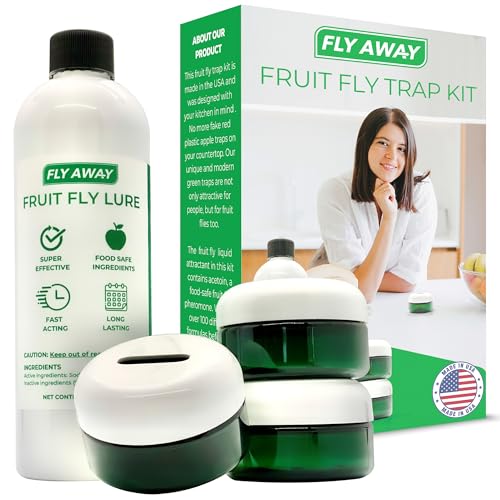
- fruit fly attractant lure trap kit with pheromone attractant


Before You Start
Clear surfaces of ripe fruit, juice spills, and opened containers; rinse or seal ripe produce promptly. Keep trash and compost bins tightly closed and emptied regularly. For safety, unplug electrical devices when cleaning around traps and ensure pets and children cannot access toxic attractants. The time estimate for the initial cleanup and trap setup is 30–60 minutes, followed by daily maintenance for 1–2 weeks until activity declines.
Caution: Do not mix multiple chemical attractants without reading labels. Use traps in well-ventilated areas and away from food preparation surfaces where possible.
Step-By-Step: How To Get Rid Of Fruit Flies
- Identify sources: Inspect kitchen areas for overripe fruit, draining bins, and plant-based liquids that attract fruit flies.
- Remove attractants: Discard spoiled produce, rinse recyclables, and seal compost. Store fresh fruit in the refrigerator when possible.
- Set up the UV light trap: Place the electric fruit fly trap with UV light near the fruit prep area and away from direct sunlight to maximize lure effectiveness.
- Deploy sticky traps: Position the sticky adhesive trap along countertops, near sinks, and behind appliances where flies tend to congregate.
- Activate pheromone lure: Install the fruit fly attractant lure trap kit according to the manufacturer’s instructions to attract the adult population.
- Monitor and maintain: Check traps daily. Replace sticky sheets and empty the electric trap’s collection container as needed.
- Combine sanitation with traps: Continue daily cleaning and trash control while traps operate to reduce reinfestation.
- Seal gaps and doors: Repair gaps around doors and windows to prevent new flies from entering, especially in humid or warm months.
- Rotate trap placement: Move traps to different kitchen zones if activity persists, ensuring coverage across the space.
- Assess progress: After 1–2 weeks, evaluate fly counts and adjust trap density or attractants to match activity levels.
- Maintain prevention: Keep surfaces dry, promptly deal with spills, and regularly inspect fruit storage to prevent future outbreaks.
- Know when to scale up: If fruit fly activity remains high after two weeks, consider additional traps or professional advice.
Troubleshooting
| Symptom | Likely Cause | Fix | Prevention |
|---|---|---|---|
| Many flies around traps but few captured | Insufficient attractants or trap placement | Increase trap density; reposition near entry points | Maintain consistent sanitation and seal openings |
| Traps not attracting any flies | Low activity or traps not powered/primed | Check power and replace attractants; refresh UV bulb if applicable | Address attractants and keep kitchen clean |
| Flies return after initial reduction | New flies entering from outside | Improve door seals; reduce outdoor attractants near entry | Keep exterior areas clean and drains covered |
| Sticky traps clogged with debris | Excess moisture or residues | Replace promptly; wipe surrounding areas | Limit damp zones and wipe spills promptly |
Common Mistakes
- Relying on a single trap type instead of a multi-pronged approach
- Ignoring under-sink drains and garbage disposal as flying sources
- Keeping ripe fruit exposed at the counter for extended periods
- Using scented cleaners that mask odors rather than remove attractants
- Neglecting routine maintenance and trap replacement
Tips For Best Results
- Place traps at human eye level for easy monitoring and maximum visibility.
- Coordinate sanitation with trap deployment for faster results.
- Use cold storage for ripe fruit to reduce attractants.
- Label and date attractants to track effectiveness and shelf life.
- Combine indoor traps with outdoor garden management if flies originate outside.
Call A Professional
Contact a professional if fruit fly activity persists after 2–3 weeks of combined sanitation and trap use, or if there is suspicion of an underlying plumbing issue such as a drain fly problem that requires inspection and remediation.
FAQ
What attracts fruit flies the most indoors?
Fermenting fruits, spilled sugary liquids, and damp organic material are primary attractants that draw fruit flies into kitchens.
How quickly can traps reduce fruit fly numbers?
Results vary, but a well-implemented plan often shows noticeable reduction within 5–10 days.
Are pheromone attractants safe for homes with pets?
Product labels provide safety guidelines; keep attractants out of reach of pets and follow usage instructions closely.
Should I throw away all fruit if fruit flies are present?
Inspect fruit for spoilage and discard any damaged produce to prevent ongoing attraction.
Buying Guide
When selecting solutions to combat fruit flies, consider factors that affect performance and convenience. Size matters for trap placement, while noise and power usage influence daily use in a kitchen. Energy efficiency helps with long-term running costs, and easy-to-use controls reduce setup time. Think about where to place traps: near entry points, prep areas, and near the waste bin. Compare multiple devices to ensure coverage across the space and consistent results. A bundled approach with an electric UV light trap, sticky traps, and pheromone attractants often delivers the most reliable relief in busy kitchens. Want a quick placement plan? Start near the sink, under the fruit bowl, and along cabinet edges where flies tend to hover. For best results, combine devices with strict sanitation routines and prompt disposal of overripe items.
Leave a Reply