How to Keep a Clean House With Kids
Maintaining a tidy home with children can feel like a moving target. This practical guide outlines simple, kid-friendly cleaning routines and products to help families stay organized without slowing down. The focus is on efficient tools, safe solutions, and easy habits that fit into a busy household.
By following a clear plan, households can minimize mess, reduce stress, and teach kids valuable habits. The approach combines quick cleanup methods, smart storage, and age-appropriate responsibilities to keep surfaces, floors, and play areas orderly throughout the week.
Quick Answer
Two quick wins: (1) run a daily 10-minute pickup using a simple rotation of zones, and (2) use a lightweight, cordless handheld vacuum to catch spills and crumbs as they happen. Pair these with a kid-safe cleaning spray for quick touch-ups and accessible toy storage bins to reclaim living space fast.
What You’ll Need
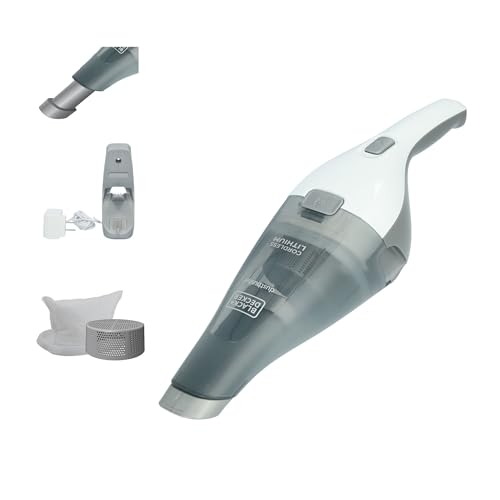
- cordless handheld vacuum for kids’ spills and crumbs
- kid-safe multi-surface cleaning spray 32 oz
- toy storage bins with lids large capacity fabric organizer


Before You Start
Set expectations with the whole family: designate zones for play, meals, and study; assign age-appropriate chores; and establish a predictable cleaning cadence. Prepare a cleaning caddy with microfiber cloths, a spray bottle, and the cordless handheld vacuum to make quick work of daily messes. Safety first: store cleaning products out of reach, supervise use by younger children, and never mix cleaners. Estimate a realistic time frame for weekly deep cleaning and daily touch-ups to stay on track.
Step-By-Step: How To Keep A Clean House With Kids
- Declutter daily by prompting kids to return toys to bins or a dedicated shelf after play.
- Establish a 10-minute daily tidy-up routine, rotating zones so no area is neglected.
- Use the cordless handheld vacuum to quickly pick up crumbs from sofas, floors, and car seats.
- Spritz the kid-safe multi-surface cleaning spray on surfaces that accumulate fingerprints and spills, such as dining tables and counters.
- Create a color-coded spot cleaning system for high-traffic areas to speed up routine maintenance.
- Sort and store toys in toy storage bins with lids to contain dust and keep rooms organized.
- Wipe and sanitize frequently touched areas (doorknobs, light switches) during daily touch-ups.
- Schedule a deeper cleaning day for bathrooms and kitchens, using the spray and a microfiber cloth for streak-free surfaces.
- Involve kids in laundry and folding duties to teach responsibility and reduce clutter.
- Review and adjust routines weekly to address any persistent mess spots or new toys.
- Use a simple checklist posted in a common area to track tasks and progress.
- Celebrate small wins with the family to reinforce positive cleaning habits.
Troubleshooting
| Symptom | Likely Cause | Fix | Prevention |
|---|---|---|---|
| Persistent crumbs on carpet | High-traffic areas, rugs not vacuumed | Run the cordless handheld vacuum on affected spots; consider a quick vac during daily tidy | Vacuum high-traffic zones daily; use a low-puzzling rug |
| Spills not removing with spray | Stain responder needed | Apply cleaning spray, wait 30 seconds, then blot with microfiber | Address spills immediately; blot, don’t rub |
| Clutter returns quickly | Piles forming around storage areas | Reorganize storage with larger bins and lids; rotate toys | Routine resets; keep surfaces clear |
| Child-safe spray smells strong | Overuse or incompatible products | Use minimal spray; dilute if advised on label | Choose mild, fragrance-free options |
Common Mistakes
- Letting clutter accumulate before tidying up
- Using harsh cleaners on family surfaces
- Assuming kids will do chores without supervision
- Waiting for a full weekend to deep-clean
Small, consistent actions beat sporadic cleans. Implement a predictable rhythm that fits your family’s schedule and avoids overwhelming anyone.
Tips For Best Results
- Keep a portable cleaning kit in a central location for quick access
- Label storage bins to help kids return items to the correct spot
- Schedule a nightly 5-minute reset to wipe down surfaces and gather loose items
- Use a light, scent-free spray to minimize irritants for kids with allergies
- Choose toys that are easy to clean and store in bins with lids
Call A Professional
Simple cleaning tasks usually don’t require a professional. Contact a pro if you encounter persistent mold, structural issues, or stubborn stains that threaten safety or require specialized equipment. If you suspect water damage, electrical concerns, or ongoing odor problems, pause routine cleaning and seek expert help immediately.
FAQ
How can I keep kids from messing up after a clean?
Create a quick daily reset and use accessible storage to make it easy for kids to participate.
What’s the best way to store toys for easy cleanup?
Use large-capacity fabric storage bins with lids and label them for different categories.
Is a cordless handheld vacuum enough for daily messes?
Yes, for quick pickups of crumbs and spills, a lightweight cordless vacuum is highly effective.
How often should I deep clean the kitchen and bathrooms when kids are present?
Plan a weekly deep clean for these zones in addition to daily spot cleaning.
Buying Guide
When selecting cleaning tools and storage for a busy family, consider several factors to balance effectiveness and practicality.
Size and footprint
Choose compact tools that are easy to store and maneuver in tight spaces, such as a cordless handheld vacuum and small spray bottle.
Noise level
Look for quiet operation to minimize disruption during kids’ activities and bedtimes.
Energy efficiency
Opt for efficient cleaning devices that use less power and require fewer replacements over time.
Controls and ease of use
Prefer simple controls and intuitive spray triggers, so kids can understand and participate safely.
Placement and storage
Use designated hubs for cleaning supplies and clear, labeled storage bins to keep items accessible yet organized.
Durability and safety
Pick kid-safe cleaning sprays and sturdy toy bins with lids to withstand daily use and avoid chipping or tearing.
Cost of ownership
Balance upfront costs with long-term durability and the volume of use in a family setting.
Leave a Reply