How to Get Rid of Bamboo Stumps
Bamboo is fast-growing and hardy, but its stubborn stumps can linger after cutting. A practical plan combines mechanical removal, follow-up treatments, and preventive steps to reduce regrowth. This guide walks American homeowners through safe, effective methods to remove bamboo stumps and roots with common tools and best practices.
Quick Answer
Choose a method based on stump size and location. For small to medium stumps, a digging bar can loosen soil around the roots, followed by a stump grinder machine for bamboo roots or a reciprocating saw with a metal blade for cutting above-ground connections. For larger, stubborn stumps, a combination of digging and grinding yields the fastest results while keeping roots from re-sprouting.
What You’ll Need
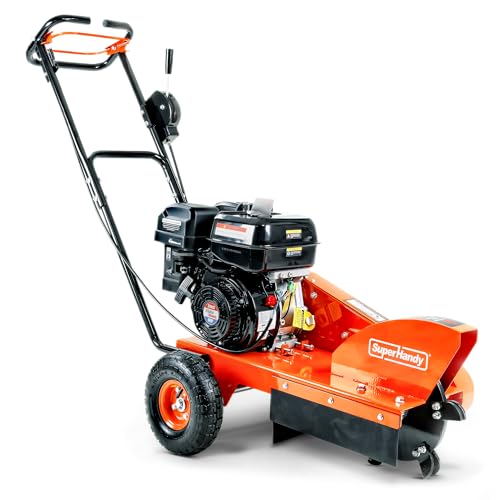
- Stump grinder machine for bamboo roots
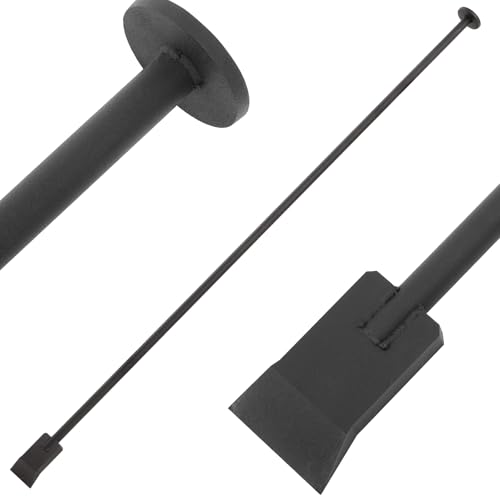
- Bamboo stump removal digging bar
- Reciprocating saw with metal blade for bamboo stump
- Safety gloves, eye protection, sturdy clothing
- Shovel or spade, assistant’s help if needed
- Soil or mulch to cover exposed roots after cleanup

Before You Start
Plan your approach in a dry period to avoid soil compaction. Mark the area to prevent accidental damage to nearby plants or underground utilities. Wear protective gear to guard against flying debris and sharp roots. Never grind or cut near buried electrical lines or gas mains. Expect several days of work for larger stumps and several weeks for regrowth control. Allow time for soil to settle if you remove large portions of root mass.
Step-By-Step: How To Get Rid Of Bamboo Stumps
- Assess the stump: Measure diameter and check for active shoots around the base to estimate how aggressive removal will be.
- Expose the root system: Use a digging bar to loosen soil around the stump circumference, creating a clear working area.
- Loosen major roots: Gently pry and cut larger roots with the digging bar to reduce resistance and prevent tearing of adjoining turf.
- Remove surface portions: If the stump is partially above ground, use a reciprocating saw with a metal blade for bamboo stump to sever visible connections cleanly.
- Grind the stump: Position the stump grinder machine for bamboo roots at the base and gradually grind away the wood until only sawdust remains below soil level.
- Rake and refill: Clear debris, fill shallow holes with fresh soil, and plane the area for turf or mulch. Tamp lightly to avoid air pockets.
- Control regrowth: Monitor the area for new shoots. Remove any suckers promptly by hand or with the saw blade to prevent reestablishment.
- Restore landscape: Apply mulch around the treated area to suppress new growth and improve soil moisture retention.
- Prevent future spread: Consider root barriers or regular maintenance to keep bamboo from reestablishing in adjacent beds.
- Final check: After a few weeks, re-inspect for hidden root fragments and fill any voids to prevent tripping hazards.
- Document results: Photograph the site for future reference and to compare growth after seasonal changes.
Troubleshooting
| Symptom | Likely Cause | Fix | Prevention |
|---|---|---|---|
| Stump regrowth after initial removal | Underground rhizomes left intact | Reassess and grind or dig out remaining roots; apply herbicide if allowed in local guidelines | Completely remove root mass; install root barriers where feasible |
| Shoot regrowth near the stump | Nearby rhizome network | Cut new shoots at base and remove quickly; repeat over several weeks | Regular monitoring for new growth |
| Soil settling or large holes after grinding | Removed root mass left voids | Fill with amended soil and reseed or replant | Plan for soil replacement during removal |
| Excess debris or dust during grinding | Dry conditions; insufficient protective measures | Wet down area; wear PPE; contain dust with tarps | Schedule operations during low wind and dry weather |
Common Mistakes
- Underestimating root spread, leading to incomplete removal
- Trying to remove large stumps without proper tools
- Ignoring safety gear and utility checks before starting
- Leaving exposed roots that can regrow or create hazards
- Not planning for future bamboo spread in nearby beds
Awareness of these issues helps prevent wasted effort and future maintenance headaches.
Tips For Best Results
- Work gradually: Break the task into sections to sustainably remove buried rhizomes.
- Use the right tool for the job: A stump grinder machine for bamboo roots handles underground mass more efficiently than manual methods alone.
- Combine methods: Pair digging with grinding or cutting for thorough removal.
- Time management: Schedule removal in dry weather for better soil handling and tool efficiency.
- Protect the area: After clearing, cover exposed soil with mulch to suppress new growth and improve soil health.
Call A Professional
Consider contacting a professional if the bamboo area is extensive, close to property lines, or if soil utilities are present. Stop signs include: heavy root networks that resist digging, repeated regrowth after multiple removal attempts, or access limitations that prevent safe operation of a stump grinder machine for bamboo roots. A licensed contractor can assess safety, perform deep root removal, and manage site restoration efficiently.
FAQ
What is the fastest way to remove bamboo stumps?
The fastest approach combines digging to expose the roots, cutting larger connections, and grinding the remaining stump with a stump grinder machine for bamboo roots.
Can I use a reciprocating saw to remove all parts of a bamboo stump?
Useful for cutting above-ground connections, but it is typically insufficient alone for extensive underground rhizomes.
Should I herbicide bamboo stumps?
Herbicides can help with regrowth in some locations; check local regulations and apply according to label directions after mechanical removal.
How long does it take to prevent bamboo from returning?
Regrowth varies by climate and bamboo species; expect several weeks to months of repeated removal efforts and preventative measures.
Is safety equipment necessary for stump removal?
Yes. PPE such as gloves, eye protection, boots, and hearing protection is essential when using grinding tools or power saws.
Can I plant new shrubs after stump removal?
Yes, once the soil has settled and root mass is removed, you can replant. Add compost and mulch to support healthy growth.
Buying Guide
When selecting tools for bamboo stump removal, consider size, power, and control. A stump grinder machine for bamboo roots is effective for large stumps, but it requires space and safety precautions. A bamboo stump removal digging bar is versatile for loosening soil and breaking up roots in tight spaces. A reciprocating saw with a metal blade for bamboo stump can efficiently cut exposed connections but may need paired tools for underground rhizomes. Look for compact models for residential use, with good maneuverability and built-in safety features.
Key Buying Factors
- Size and power: Choose a grinder or saw that matches stump diameter and expected root mass. Larger stumps may need more powerful, road-ready equipment.
- Noise level: Consider residential-friendly tools with lower decibel operation or built-in mufflers for quiet neighborhoods.
- Energy efficiency: Electric models save fuel and are easier to maintain for home use, though gas-powered units may offer more mobility on larger properties.
- Controls and safety: Look for straightforward controls, blade guards, and automatic shutoff features to minimize risk.
- Placement and accessibility: Ensure the tool can reach the stump without causing damage to nearby plants or structures.
- Maintenance and warranty: Check parts availability and warranty length for ongoing reliability.
- Safety gear compatibility: Ensure PPE requirements align with the tool’s operating guidelines and your comfort level.
- Cost of operation: Factor in fuel or electricity use, blade replacements, and potential rental costs if you don’t own tools.
With the right preparation and the appropriate tools—such as a stump grinder machine for bamboo roots, a bamboo stump removal digging bar, and a reciprocating saw with a metal blade for bamboo stump—homeowners can effectively eliminate bamboo stumps and reduce future spread. Planning, safety, and follow-up care are essential for lasting results.
Leave a Reply