How to Remove Berry Stains From Clothes and Fabric
Berry stains can be stubborn, especially on light fabrics. This guide provides practical, step by step methods using common stain removing products to restore fabrics without damage. The strategies work for berries like blueberries, raspberries, strawberries, and blackberries, and are suitable for everyday laundry routines.
Quick Answer
Rinse the stain with cold water, apply a stain remover or enzyme pen, gently scrub with a stain removing brush if needed, launder as usual, and air dry. Treat fresh stains promptly for best results.
What You’ll Need
- Stain removing brush for clothes fabric scrubber
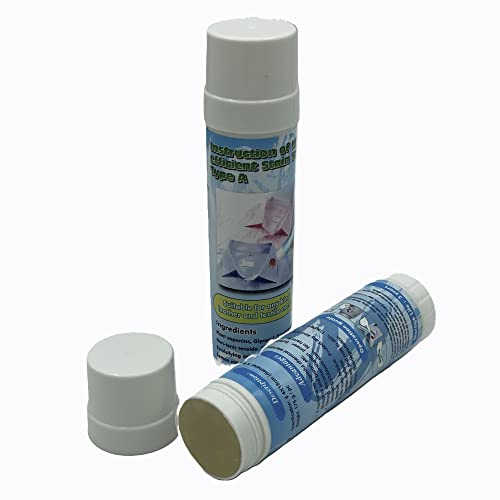
- Enzyme laundry prewash stain remover pen
- Color safe stain remover spray for berry stains 16 oz


Before You Start
Test any product in an inconspicuous area first to confirm fabric colorfastness. Use cold water for initial rinsing to prevent setting the stain. Do not dry the fabric in a dryer until the stain is fully removed, as heat can set remaining pigment. Expect 20–60 minutes of active work depending on fabric type and stain severity. Safety tip: follow label directions and keep products away from children.
Step-By-Step: How To Remove Berry Stains
- Rinse the stained area under cold running water to flush out as much pigment as possible.
- Apply the enzyme laundry prewash stain remover pen directly to the stain and gently work it in with your finger tip or a soft brush.
- Let the enzyme pen sit for 5–10 minutes to break down pigment fibers before laundering.
- For tougher stains, use the stain removing brush for clothes fabric scrubber to lightly agitate the fabric in the stained region.
- Spray the area with the color safe stain remover spray for berry stains and let it sit for 5–15 minutes, following the product label.
- Wash the garment in the hottest water safe for the fabric using a regular laundry cycle with your usual detergent.
- Check the stain before drying. If any pigment remains, repeat the treatment or apply a fresh wash before drying.
- Air dry the item rather than using a dryer to prevent heat set if a stain lingers.
Troubleshooting
| Symptom | Likely Cause | Fix | Prevention |
|---|---|---|---|
| Stain remains after wash | Pigment oxidized or fabric is delicate | Repeat treatment; consider spot treating with enzyme pen again | Pre-treat promptly; avoid high heat |
| Color dulls or fades | Overuse of strong products on color fabrics | Switch to gentler color safe options; test first | Always perform a patch test |
| Stain spreads during washing | Rinse method ineffective | Rinse longer before washing; blot rather than rub | Keep stains contained during prewash |
| Fabric damage or pilling | Over-scrubbing or harsh chemical | Use light pressure; follow product directions | Gentle scrubbing first; avoid aggressive rubbing |
Common Mistakes
- Using hot water on a fresh berry stain
- Rubbing too aggressively and spreading pigment
- Skipping a prewash treatment and relying solely on detergent
- Drying before the stain is fully removed
Prevent mistakes by following the step by step approach and using the right combination of products for your fabric type.
Tips For Best Results
- Act quickly; fresh stains respond better to enzyme action and rinsing.
- For delicate fabrics, opt for a gentle wash cycle and avoid heavy agitation.
- Always test stains on inconspicuous areas before full application.
- Label reading is key; adhere to the recommended contact time for each product.
- After stain removal, launder separately if staining risk remains for other loads.
Call A Professional
Seek professional help when dealing with delicate fabrics like silk, wool, or vintage textiles that might be damaged by chemical treatments. If a stain remains after multiple safe attempts or if the fabric has significant value, a professional alterations or cleaning service can assess and handle the stain with industry techniques.
FAQ
What is the fastest method to remove berry stains from cotton?
Rinse with cold water, treat with enzyme pen, and launder on the hottest safe cycle for cotton, then air dry.
Can color safe sprays damage fabrics?
Usually not when used as directed, but always perform a patch test first and follow label instructions.
Is a fabric scrubber necessary for berry stains?
Not always, but it helps on stubborn spots and thicker fabrics by improving pigment removal during prewash.
Should I use heat to remove berry stains?
Avoid heat until the stain is completely removed to prevent setting the pigment.
How long should prewash enzyme treatment sit?
Typically 5–10 minutes, or as directed by the product label.
Can I use regular detergent alone?
Detergent helps, but prewashing treatments and enzyme-based products improve dye breakdown on berry stains.
Buying Guide
When selecting stain removal products for berry stains, consider size, effectiveness, and compatibility with fabrics. Key buying factors include;
- Size and concentration: Larger bottles provide more value for frequent stain removal, while targeted pens give quick spot treatment.
- Noise level and ease of use: Spray and pen formats are typically simple to use without noise concerns in laundry spaces.
- Energy efficiency not directly applicable to manual stain removal, but choose products that reduce wash cycles and water use when possible.
- Controls and labels: Look for clear instructions, fabric compatibility, and color safety notes.
- Placement: Store in a cool, dry place away from direct sunlight to preserve enzyme activity and spray efficacy.
For berry stains, a combination of an enzyme prewash pen, a dedicated fabric scrubber, and a color safe berry stain remover spray often yields the best results across many fabrics. Consider your typical laundry loads, fabric types, and stain frequencies when choosing a set of products.
Leave a Reply