How to Clean Shower Floor With Baking Soda
Cleaning a shower floor can be a daily hassle, but using baking soda with simple tools makes the job effective without harsh chemicals. This guide covers practical steps for American homes and routines that fit busy schedules, emphasizing safe methods for common shower surfaces.
Whether you’re tackling soap scum, mildew, or dull grout, the right approach helps restore brightness and prevent buildup over time.
Quick Answer
Mix baking soda with water to form a paste, apply to the shower floor, and scrub with the right brush or pad. Rinse well, repeat as needed for stubborn spots, and dry the surface to prevent new residue.
What You’ll Need
- Stiff bristle bathroom scrub brush long handle
- Grout brush angled head for shower tiles
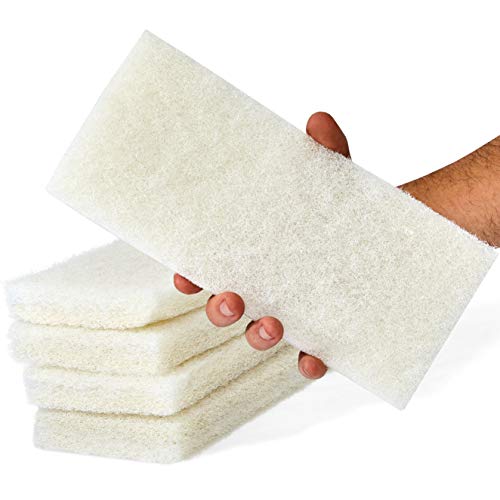
- Non-scratch scrubbing pad for shower tiles


Before You Start
Clear the shower area and remove loose hair and soap residue. Ventilate the bathroom to minimize fumes from cleaners. Test baking soda paste on a small inconspicuous spot first to ensure no whitening or surface damage. Plan for a 15–30 minute cleaning window, plus extra time for stubborn areas. Avoid mixing baking soda with vinegar directly on sensitive grout—fizzing can loosen grout over time.
Step-By-Step: How To Clean Shower Floor With Baking Soda
- Prepare the paste by mixing baking soda with a small amount of water until it forms a thick consistency.
- Wet the shower floor lightly to help the paste spread evenly.
- Apply the paste to stained areas, focusing on soap scum and grout lines.
- Use the stiff bristle bathroom scrub brush long handle to scrub the floor in circular motions, paying attention to corners.
- For grout lines, switch to the grout brush angled head for shower tiles and work the paste into the crevices.
- If you encounter delicate tiles, switch to the non-scratch scrubbing pad for shower tiles to avoid scratching.
- Rinse the area with warm water, repeating the process on stubborn spots as needed.
- Apply a second light rinse and wipe dry with a towel to reduce water spots and mildew risk.
- Optionally, repeat the paste application and brushing for deeply set grime every few weeks.
- Let the surface dry completely before reusing the shower to minimize residue buildup.
- Store tools in a dry area to prevent rust and ensure long tool life.
Troubleshooting
| Symptom | Likely Cause | Fix | Prevention |
|---|---|---|---|
| Streaks or residue after rinse | Too much paste or insufficient rinse | Rinse thoroughly with warm water; wipe dry | Use thinner paste and final rinse with a spray of water |
| Stubborn grout darkening | Mildew buildup | Apply paste, scrub with grout brush, and rinse | Ventilate and dry after each shower |
| Scratching on tiles | Using non-scratching pad too aggressively | Switch to a softer pad or gentler pressure | Test a small area first |
| Uneven cleaning | Uneven paste thickness | Reapply and re-scrub in patches | Evenly spread paste before scrubbing |
Common Mistakes
- Over-mixing baking soda into a runny paste that won’t cling to surfaces
- Using harsh brushes on delicate tile patterns
- Rinsing with cold water which can leave spotting
- Ignoring dry-time, leading to rapid re-soiling
Tips For Best Results
- Warm water enhances the cleaning power of baking soda paste.
- Keep a dedicated bathroom brush kit for tile floors to avoid transferring debris to other surfaces.
- Spot-treat grout lines monthly to prevent mildew buildup.
- Pair baking soda cleaning with periodic maintenance using a gentler routine to extend grout life.
Call A Professional
Consider contacting a pro if you notice persistent mold growth, cracked grout, or tiles that loosen with cleaning. Signs to seek help include extensive water damage, severe staining that won’t respond to scrubbing, and questionable tile adhesion. A licensed plumber or tile specialist can assess structural issues and provide safe repairs.
FAQ
Can baking soda damage my shower floor?
Generally no for typical ceramic, porcelain, and sealed surfaces, but test first on an inconspicuous spot.
Should I mix baking soda with vinegar?
Mixing creates fizz and can loosen grout; use baking soda alone or with water for this routine.
How often should I clean with baking soda?
Weekly superficial clean plus a deeper paste treatment every 1–2 weeks, depending on usage.
Is baking soda environmentally safe for homes?
Yes, it is a non-toxic cleaner widely used in households when applied as directed.
Buying Guide
When choosing tools to accompany baking soda cleaning, consider size, grip comfort, and material safety for your shower floor. For larger bathrooms, a long-handled stiff bristle brush reduces strain. A grout brush with an angled head helps reach corners and along grout lines. A non-scratch scrubbing pad protects delicate tiles while still delivering effective scrubbing. Look for tools with ergonomic handles and durable bristles or pads designed for bathroom use. Pair these with a simple, mild cleaning routine to keep floors bright without harsh chemicals.
Leave a Reply