How to Clean Fake Leather Furniture Safely
Fake leather furniture, also known as faux leather or vinyl upholstery, offers a stylish look with easy maintenance. Regular cleaning helps preserve its appearance and extend its life. This guide provides practical, household-friendly steps and avoid common pitfalls that can damage faux leather surfaces.
Quick Answer
Gently wipe with a damp microfiber cloth, use a mild cleaner designed for faux leather, then buff dry. For stubborn spots, apply a faux leather cleaner spray with a microfiber cloth, then rinse and dry. Always test a hidden area first.
What You’ll Need
- faux leather cleaning kit microfiber cloths spray bottle
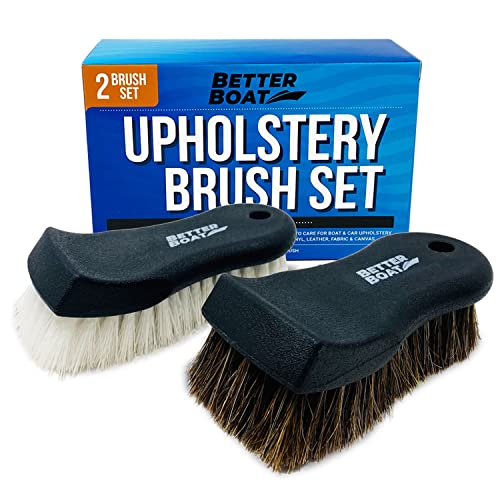
- vinyl upholstery cleaning brush set
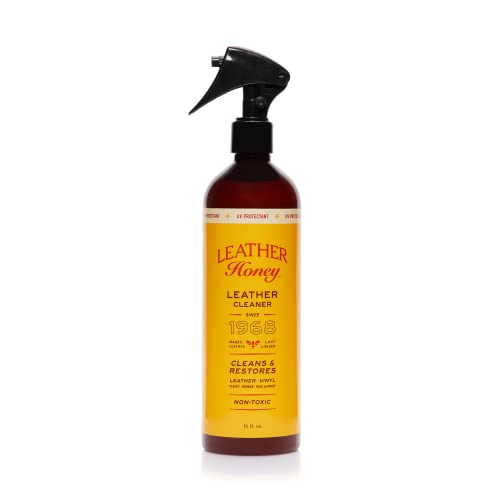
- faux leather upholstery cleaner spray with microfiber cloth

Before You Start
Prepare a clean work area and test cleaners on a small inconspicuous spot. Use soft, non-abrasive materials to avoid scratching the surface. Protect surrounding fabrics and wood with a light towel or plastic. Expect to allocate 15–30 minutes per cleaning session depending on the extent of staining.
Step-By-Step: How To Clean Faux Leather Upholstery
- Remove loose debris by wiping the surface with a dry microfiber cloth.
- Mix warm water with a few drops of mild dish soap, or use a dedicated faux leather cleaner spray.
- Dampen a microfiber cloth with the cleaning solution; avoid soaking the material.
- Gently wipe the surface in circular motions to lift dirt without penetrating the seams.
- For stubborn stains, use a vinyl upholstery cleaning brush set to work the area carefully.
- Rinse the cloth with clean water and wipe away any soap residue; do not leave soapy film behind.
- Dry the upholstery with a clean, dry microfiber cloth to prevent water spots.
- Apply a faux leather conditioner if recommended by the cleaner’s instructions (optional for certain finishes).
- Avoid direct heat, harsh chemicals, or abrasive tools that can crack or dull the surface.
- Repeat as needed for persistent stains, always testing in a hidden area first.
- Reassess the texture and finish after drying; polish lightly with a dry cloth for even shine.
Troubleshooting
| Symptom | Likely Cause | Fix | Prevention |
|---|---|---|---|
| Stains persist after cleaning | Stain deeply penetrated or use of wrong cleaner | Apply a cleaner formulated for faux leather and re-clean; consider professional cleaning for tough stains | Spot-clean promptly; test products first |
| White residue after cleaning | Soap residue | Wipe with clean damp cloth and dry thoroughly | Use minimal soap and rinse completely |
| Discoloration or dull finish | Aging finish or harsh cleaner | Switch to a milder product or consult manufacturer guidelines | Follow manufacturer recommendations |
| Scratches or streaks | Abrasion from cloth or brush | Use microfiber cloth only; avoid abrasive brushes | Gentle pressure; work with grain of the surface |
| Cracking after cleaning | Over-wetting or improper conditioner | Ensure thorough drying and use only recommended conditioners | Test on hidden area and follow instructions |
Common Mistakes To Avoid
- Using harsh household cleaners or bleach on faux leather
- Saturating the surface with water or cleaner
- Scrubbing aggressively with abrasive tools
- Skipping a test patch before full-area application
- Ignoring manufacturer care instructions for specific finishes
Tips For Best Results
- Test any cleaner on a hidden corner of the furniture before full use
- Wipe up spills immediately to prevent staining
- Clean in a well-ventilated area to avoid chemical buildup
- Use microfiber cloths for gentle lifting and raking of dirt
- Condition as recommended to maintain suppleness and prevent cracking
Call A Professional
Consider a professional upholstery cleaning if there are large areas of staining, significant wear, or if the faux leather has peeled or cracked. Stop cleaning and seek help if you notice strong chemical reactions, strong odors, or if the surface shows deep cracks that cleaning cannot address.
FAQ
Is it safe to use water-based cleaners on faux leather?
Yes, water-based cleaners are generally safe when diluted and used sparingly. Always test first and avoid soaking the material.
Can I use household soap to clean faux leather?
Yes, a mild dish soap diluted with water can work for light cleaning, but avoid harsh soaps and rinsing residue.
Should I conditioner faux leather after cleaning?
Conditioning can help preserve flexibility on some finishes; follow the cleaner’s instructions and manufacturer recommendations.
What if the color fades after cleaning?
Fading may indicate wear or an incompatible cleaner. Stop using that product and consult the upholstery brand guidelines or a professional.
Buying Guide
When selecting products and practices for cleaning faux leather furniture, consider the following factors:
- Size and scope: Evaluate whether your furniture piece is a sofa, chair, or sectional to plan cleaning reach and time.
- Noise level: Manual cleaning with microfiber cloths is quiet and requires minimal effort; powered brushes introduce more noise.
- Energy efficiency: Not a major factor in cleaning, but energy-efficient products often pair with eco-friendly formulations.
- Controls and ease of use: Spray bottles and ready-to-use kits simplify application; consider products with built-in microfiber cloths for convenience.
- Placement and accessibility: Clean in a well-ventilated area with space to spread cloths and avoid contact with other surfaces.
- Finish compatibility: Verify the cleaner is labeled safe for faux leather or vinyl finishes to prevent discoloration.
- Stain resistance: Look for products with stain-fighting properties for spills and common household messes.
- Maintenance frequency: Regular, light cleaning reduces buildup and extends furniture life; deep clean as needed.
For best results, match the cleaning kit and tools to the furniture’s finish, consider kit compatibility with microfiber cloths, and follow a consistent routine to keep faux leather looking its best.
Leave a Reply