How to Clean Dogs Teeth for a Healthier Mouth
Maintaining your dog’s dental health is essential for overall wellbeing. Regular brushing helps prevent tartar buildup, bad breath, and more serious issues like gum disease. This guide provides practical, step-by-step instructions tailored to American households, with safe habits and reliable tools to use at home.
Quick Answer
Best practice: brush your dog’s teeth daily if possible, or 3–4 times a week as a starting point. Use a dog-safe toothpaste, and pair brushing with periodic professional cleanings as recommended by a veterinarian. Start slowly to build trust and comfort with the process.
What You’ll Need
- Dog dental cleaning kit toothbrush toothpaste
- Soft bristle dog toothbrush set for oral care
- Electric dog toothbrush for teeth cleaning
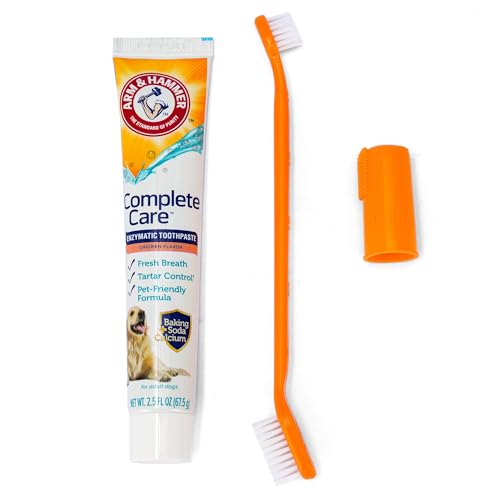

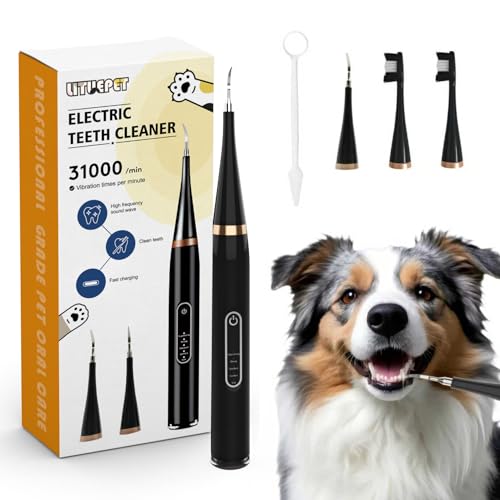
Before You Start
Set aside a quiet time and a comfortable space. Use a dog-specific toothpaste (never human toothpaste) to avoid stomach upset or foaming irritation. Check your dog’s mouth for sores, loose teeth, or redness before brushing. If your dog resists brushing, begin with touch-and-pat routines around the mouth area to build trust. This process can take several weeks to become routine. Avoid forcing brushing if there is pain or aggression; consider consulting a vet for alternatives. Plan brushing sessions after meals to minimize gag reflex and maximize comfort. Time estimate: 5–10 minutes per session as you introduce the routine.
Step-By-Step: How To Clean Dogs Teeth
- Choose the right tool from the kit: a child-safe, dog-formatted toothbrush or an electric dog toothbrush to suit your dog’s preference.
- Apply a pea-sized amount of dog toothpaste to the brush; defer using human toothpaste. Let your dog lick the paste to create positive associations.
- Calmly lift the muzzle and gently angle the brush toward the gumline. Begin with the front teeth, using small circular motions.
- Brush along the outer surfaces of the upper and lower teeth; aim to cover all accessible areas. Don’t rush the process.
- Expand to the back teeth gradually once your dog tolerates brushing. If your dog resists, switch to shorter sessions and reward with praise or a treat.
- For dogs using an electric toothbrush, follow the manufacturer’s guidance for gentle, slow movements and avoid excessive pressure.
- Rinse the mouth lightly with water after brushing if your dog accepts it; offer fresh water to drink afterward.
- Schedule a professional dental check or cleaning with your veterinarian at regular intervals to monitor progress and address any concerns.
Troubleshooting
| Symptom | Likely Cause | Fix | Prevention |
|---|---|---|---|
| Dog resists brushing | Anxiety or unfamiliarity | Use brief 1–2 minute sessions; pair with treats; try a finger brush | Create a routine; gradually increase exposure |
| Bleeding gums | Gingivitis or aggressive brushing | Brush softer; consult a vet if bleeding persists | Be gentle; start with outer surfaces only |
| Bad breath persists | Underlying dental disease | Increase brushing frequency; schedule dental exam | Regular checkups and daily routine |
| Tooth sensitivity | Loose or cracked tooth | Avoid brushing near painful areas; veterinary evaluation needed | Annual dental exams |
Common Mistakes
- Using human toothpaste that contains xylitol or fluoride not safe for dogs
- Brushing too hard or focusing only on one section of the mouth
- Rushing brushing sessions or skipping days, which can worsen tartar buildup
- Forcing the dog to accept brushing instead of gradual desensitization
Tips For Best Results
- Reward-based approach helps build a positive association with tooth brushing.
- Consistency beats intensity; short, regular sessions are more effective than long, sporadic ones.
- Combine brushing with dental chews or diets approved by your veterinarian if suitable for your dog.
- Keep dental products out of reach of curious pets to prevent ingestion of inappropriate items.
Call A Professional
Consider contacting a veterinarian if you notice persistent bad breath, swelling, bleeding gums, or difficulty eating. Seek immediate care for signs of trauma, a cracked tooth, or obvious infection. Annual professional cleanings and radiographs may be recommended for certain breeds or age groups.
FAQ
How often should I brush my dog’s teeth?
Daily brushing is ideal, but brushing several times a week still provides significant benefits and reduces tartar buildup.
Can I use human toothpaste on my dog?
No. Human toothpaste can upset a dog’s stomach and may contain ingredients unsafe for dogs. Use a dog-specific toothpaste.
What if my dog swallows toothpaste?
Most dog toothpastes are designed to be swallowed in small amounts; monitor your dog and offer water. Contact a vet if you notice unusual behavior.
When should I see a vet for dental issues?
If there is persistent bad breath, bleeding gums, reluctance to eat, or facial swelling, schedule a veterinary dental exam promptly.
Buying Guide
Choosing the right dental care tools for your dog involves considering size, comfort, and effectiveness. Here are factors to weigh when comparing options:
- Size and fit: Ensure the brush head suits your dog’s mouth size. Smaller mouths benefit from compact heads; larger mouths may tolerate longer brushes.
- Brush type: Soft-bristle brushes are gentle and effective for most dogs, while finger brushes offer quick adaptation for anxious pets. Electric toothbrushes can improve cleaning consistency but require training.
- Toothpaste formulation: Look for veterinary-approved, flavored toothpaste that appeals to dogs; avoid any flavors or additives that can upset stomachs.
- Ease of cleaning: Removable brush heads and dishwasher-safe components simplify maintenance.
- Durability: Choose sturdy materials that withstand chewing and normal use.
- Safety features: Soft bristle materials and gentle vibration levels protect sensitive gums.
- Brand compatibility: Consider compatibility with your preferred brush style and whether you want a kit that includes toothpaste and extra brush heads.
- Usage training: Some tools come with guided instructions or veterinary recommendations to ease onboarding.
For most dogs, a soft-bristle brush or a gentle electric toothbrush paired with a dog toothpaste provides a practical balance of effectiveness and ease of use. If your dog is particularly anxious, start with a finger brush to acclimate before moving to a larger brush.
Leave a Reply