How to Reduce Forehead Wrinkles: A Practical Guide
Forehead wrinkles are a common concern for many adults. This guide outlines practical, at-home methods to minimize the appearance of horizontal lines and dynamic creases. It combines dermatologist-informed tips with accessible tools that are popular in American skincare routines, offering a balanced approach for gradual improvement.
Readers will find a clear plan that covers preparation, step-by-step techniques, troubleshooting, and when to seek professional help. The goal is to empower you with safe, effective options that fit typical daily schedules and budgets.
Quick Answer
Focus on consistent, gentle stimulation and hydration. A daily routine combining facial massage with targeted tools, plus safe at-home devices, can reduce the look of forehead lines over several weeks. Start with the basics—clean skin, a good moisturizer, and sun protection—and layer in targeted tools as you build comfort and results.
What You’ll Need
- Jade gua sha facial tool large stone for wrinkles
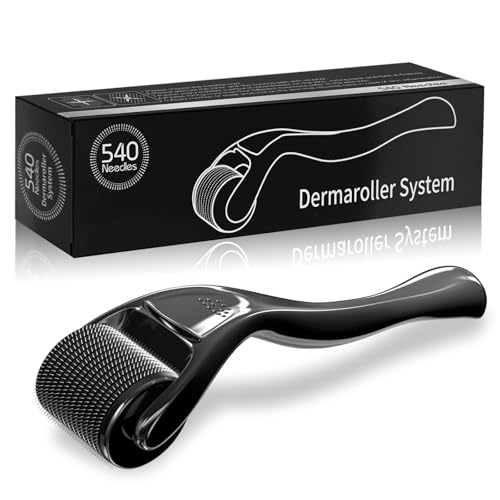
- Derma roller 0.5mm stainless steel for wrinkles deep lines
- Microcurrent facial toning device anti wrinkle machine


Before You Start
Prepare a clean, dry skincare surface. For best results, perform activities on a well-lit, temperature-stable countertop or vanity. Time estimates: cleansing and prep take 5–7 minutes; routine including tools may take 15–25 minutes.
Safety cautions: Avoid using tools on irritated or broken skin. Do not apply excessive pressure with any device, and discontinue if you experience persistent redness, swelling, or pain. If you have active skin conditions, consult a dermatologist before starting at-home treatments.
Step-By-Step: How To Reduce Forehead Wrinkles With At-Home Tools
- Start with a clean base: wash your face with a gentle cleanser and pat dry. Apply a hydrating serum or moisturizer to create a slip for tools to glide over the skin.
- Gently massage with the jade gua sha tool: hold the tool at a slight angle and perform upward, outward strokes across the forehead. Focus on areas with prominent lines, repeating each motion 5–8 times per area.
- Incorporate light pressure: especially on deep lines, use minimal, steady pressure to encourage microcirculation without pulling the skin.
- Use the derma roller 0.5mm for maintenance: apply a thin layer of serum or moisturizer, then roll over the forehead in vertical and horizontal directions for 3–6 passes per area. Do not exceed once every 2–3 days to avoid irritation.
- Follow with the microcurrent facial toning device: use the device according to manufacturer instructions, typically in a slow, sweeping motion across the forehead. Treat each area for the recommended duration to support muscle tone and skin lifting.
- Alternate days with gentle skin care: if you use the derma roller, skip days when the skin feels irritated. Maintain hydration and sunscreen during the day, as UV exposure can worsen wrinkle appearance.
- Consistency is key: aim for a 4–6 week baseline to assess initial changes, then adjust frequency based on skin response and comfort.
- Protect at night: seal routine with a rich moisturizer or facial oil to support barrier repair and overnight skin recovery.
- Monitor results: take weekly photos and note any changes in texture and line visibility to gauge progress and adjust technique as needed.
- Combine with lifestyle factors: adequate sleep, balanced nutrition, and sun protection can amplify improvements in skin elasticity and reduce wrinkle formation.
- Refine technique: as you gain comfort, experiment with slightly longer gua sha sessions and varied rolling angles to cover different forehead zones.
- Know when to pause: if irritation or persistent redness appears, stop using the derma roller and consult a clinician before resuming any rolling or microcurrent use.
Troubleshooting
| Symptom | Likely Cause | Fix | Prevention |
|---|---|---|---|
| Irritation after rolling | Overpressure or too frequent sessions | Reduce pressure, space sessions >48 hours | Follow guidelines, patch test new products |
| No noticeable changes after several weeks | Insufficient hydration or inconsistent routine | Increase moisture, maintain consistent schedule | Set reminders and keep routine simple |
| Skin sensitivity or redness with microcurrent | Excessive intensity or incorrect device use | Lower intensity, review manual, pause if irritation | Gradual acclimation and skin conditioning |
| Uneven texture after treatment | Untreated areas or irregular tool pressure | Even strokes, cover forehead fully | Practice consistent technique |
Common Mistakes
- Using tools on inflamed or broken skin
- Applying excessive pressure with the derma roller
- Skipping sunscreen, which can worsen wrinkle visibility
- Not following device instructions for frequency and duration
- Expecting rapid, dramatic results—progress tends to be gradual
Tips For Best Results
- Combine tools with a retinoid or peptide-containing moisturizer, if tolerable for your skin type, to support collagen production.
- Always prehydrate and post-hydrate: use serums that enhance moisture retention to keep skin plump.
- Keep tools clean: sanitize jade gua sha and derma roller after each session to reduce the risk of irritation or infection.
- Protect your investment: store devices in a clean, dry place and replace needles or stones if wear is evident.
- Adjust intensity by skin response: start low and gradually increase as comfort and results permit.
Call A Professional
Consider a dermatologist or licensed esthetician if you notice persistent redness, severe irritation, or if you have active acne, eczema, or rosacea. Seek professional guidance for advanced concerns such as deep wrinkles, sagging, or uneven skin tone that do not respond to at-home routines.
FAQ
Can I use all three tools in one session?
Yes, but proceed with caution: start with one tool to build familiarity, then add others on subsequent sessions if skin tolerates it well.
How long before I see results?
Most users notice gradual improvements after 4–6 weeks of consistent use, with continued benefits over several months.
Is a microcurrent device safe for beginners?
Most are designed for home use, but begin with low settings and follow manufacturer guidelines, especially if you have a metal implant or sinus issues.
Should I use products with active ingredients during treatment?
Hydrating serums and barrier-supporting moisturizers are generally safe; avoid strong actives on days of aggressive tool use to minimize irritation.
Is this method suitable for all skin types?
In most cases, yes, but sensitive or reactive skin may require adjustments; consult a dermatologist if uncertain.
Buying Guide
When choosing tools for reducing forehead wrinkles, consider size, noise level, energy efficiency, controls, and placement. Think about how you’ll integrate devices into your routine, storage space, and whether you prefer a single multifunction device or a combination of separate tools.
Size and ergonomics matter: a jade gua sha with a broad, smooth edge fits larger forehead areas and is comfortable for long sessions. A compact derma roller should be easy to maneuver without overextending the wrist. Microcurrent devices vary in electrode shape and grip; choose one with intuitive controls and clear guidance for first-time users.
Noise and comfort: some devices produce gentle sounds during use. If you respond to quiet routines, look for low-noise models and consider using them in a private, relaxing space. Energy efficiency is usually standard for modern devices, but verify battery life or recharge times if you travel often.
Controls and presets: devices with adjustable intensity or preset skincare programs help tailor sessions to your skin’s needs. Check if the device allows incremental increases and if it offers safety shutoffs for protection during use.
Placement and storage: ensure devices come with protective cases and cleaning accessories. Store tools away from direct sunlight and extreme temperatures to preserve material integrity.
Practical workflow: create a weekly plan that alternates between techniques, balancing collagen-supporting routines with hydration-focused care. For instance, use the jade gua sha on Monday, derma rolling on Wednesday, and microcurrent sessions on Friday, with gentle days in between.
Budget guidance: consider acquiring a primary tool first—often a jade gua sha or a trusted microcurrent device—and add complementary devices as you grow confident in your routine. Prioritize quality, safety features, and reputable brands with clear instructions and replacement parts.
Leave a Reply