How to Clean Plastic Shower Doors for a Sparkling Shine
Plastic shower doors can accumulate soap scum, hard water deposits, and mildew over time. Regular, simple cleaning routines restore clarity and keep doors looking new. This guide offers practical steps, safe products, and tips tailored for common household setups in the United States.
Quick Answer
Fast method: Rinse the doors with warm water, apply a gentle cleaner or a homemade grapefruit- or vinegar-based solution, scrub with a soft brush or microfiber cloth, rinse thoroughly, and dry with a squeegee to prevent water spots.
What You’ll Need
- 12 inch silicone squeegee for plastic shower doors
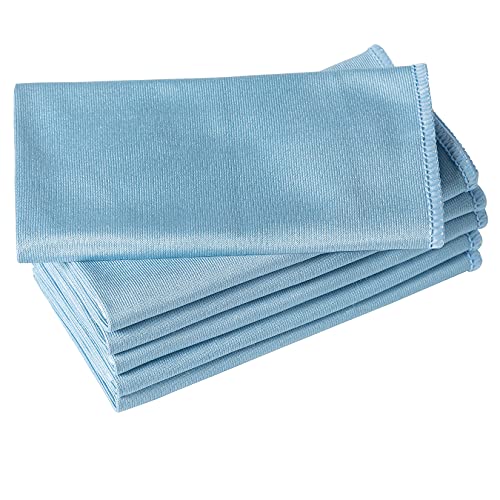
- microfiber cleaning cloth for acrylic shower doors
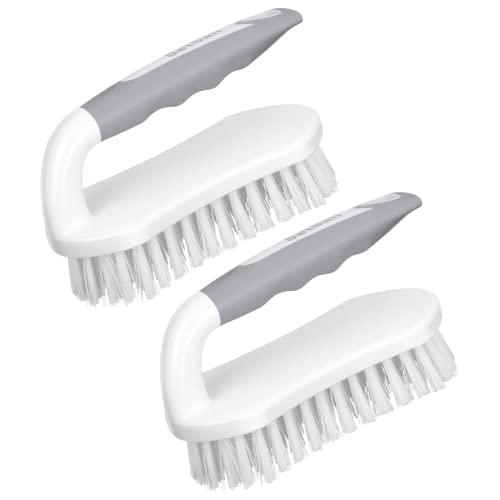
- soft bristle nylon scrub brush for shower door soap scum cleaning

Before You Start
Assess the door material and metal frames for compatibility with cleaners. Test a small hidden area first to avoid discoloration. Work in a well-ventilated area and wear gloves to protect skin. Plan for a 20–40 minute cleaning session, depending on buildup. Avoid abrasive tools that can scratch plastic surfaces, and never mix bleach with ammonia or acidic cleaners in a closed space.
Step-By-Step: How To Clean Plastic Shower Doors
- Remove items from the shower and rinse the doors with warm water to loosen surface grime.
- Apply a cleaner or a simple mixture: equal parts white vinegar and water, or a mild dish soap solution, to a damp cloth or spray bottle.
- Let the solution sit for 3–5 minutes on soap scum and mineral deposits to soften buildup.
- Use a soft bristle nylon scrub brush to gently scrub along corners, tracks, and door panels without scratching the surface.
- For stubborn spots, apply a small amount of baking soda paste and scrub softly, then rinse well.
- Rinse thoroughly with warm water, ensuring all cleaner residue is removed.
- Dry the surface with a 12 inch silicone squeegee to prevent water spots and streaks.
- Wipe the edge seals and tracks to remove trapped moisture and mold spores.
- Touch up any remaining haze with a microfiber cloth, buffing until clear.
- Optionally spray a preventive water-repellent product and re-squeegee after every shower to minimize future buildup.
Troubleshooting
| Symptom | Likely Cause | Fix | Prevention |
|---|---|---|---|
| Cloudy or hazy panels | Soap residue or mineral buildup | Re-clean with vinegar solution; rinse thoroughly | Wipe down after each shower |
| Streaks after cleaning | Water spots or improper drying | Use a silicone squeegee and microfiber cloth | Dry surfaces completely |
| Mildew in corners | Moisture accumulation | Clean with hydrogen peroxide or a mold cleaner | Ventilate bathroom and keep door ajar after showers |
| Scratches or dull look | Abrasive tools or harsh cleaners | Switch to soft-bristle tools and mild cleaners | Avoid abrasive pads |
Common Mistakes
- Using abrasive pads that scratch plastic surfaces
- Neglecting to rinse off cleaners completely, leaving residues
- Forgetting to dry doors after cleaning, leading to mineral buildup
- Overlooking seals and tracks where mold can grow
Sticking to gentle cleaners and consistent maintenance minimizes buildup and extends the life of plastic shower doors.
Tips For Best Results
- Clean on a regular schedule—weekly light cleaning is easier than monthly deep scrubs
- Use warm water rather than hot, which helps prevent warping of plastic components
- In hard water areas, consider a daily rinse with a mild vinegar spray to reduce mineral deposits
- Keep a dedicated microfiber cloth in the bathroom for quick touch-ups
Call A Professional
Contact a professional if you notice persistent mold in grout lines, structural damage to door tracks, or persistent cloudy film that resists standard cleaners. If you are unsure about the material compatibility with cleaners or experience chemical sensitivities, seek expert guidance.
FAQ
Can I use bleach on plastic shower doors?
Bleach can damage some plastics and seals. Use milder cleaners and test first in a hidden spot.
What’s the best cleaner for hard water deposits?
A vinegar-based solution or a commercial cleaner designed for bathroom surfaces works well; rinse thoroughly.
How often should I clean plastic shower doors?
Weekly light cleaning with a monthly deeper scrub is a solid routine for most households.
Are there eco-friendly options?
Yes, vinegar, baking soda, and mild dish soap provide effective, low-toxicity cleaning without harsh chemicals.
Buying Guide
Choosing products and tools for cleaning plastic shower doors depends on size, buildup, and bathroom conditions. Consider the following factors to optimize results and ease of maintenance.
Size and Fit
Measure door dimensions to select a compatible squeegee length and brush size that reach corners and tracks without damage.
Noise Level
Quiet cleaning tools reduce disruption, especially in small or shared spaces. Look for soft-bristle brushes and smooth-swing squeegees.
Energy Efficiency and Water Use
Tools that enable quick, efficient cleaning reduce water use. A well-designed squeegee and microfiber cloth speed up drying and prevent repeat scrubs.
Controls and Usability
Ergonomic handles, non-slip grips, and simple spray mechanisms improve comfort and effectiveness during routine cleaning.
Placement and Storage
Keep cleaning supplies organized and accessible near the bathroom. A small caddy or wall hook helps maintain order and encourages consistency.
Leave a Reply