How to Get Rid of Acrylic Paint on Clothes: A Practical Guide
Accidentally splashed acrylic paint on a favorite shirt or jeans? Acrylic paints can be stubborn, but with the right approach, most stains lift with minimal damage to the fabric. This guide walks American readers through a clear, step-by-step process using common stain-fighting tools designed for acrylic paint on clothes.
Quick Answer
Act quickly, blot (don’t rub) excess paint, pre-treat with an effective remover, wash in the hottest water safe for the fabric, and air-dry. For stubborn stains, repeat steps or switch to a fabric-safe solvent before washing.
What You’ll Need
Gather these items to tackle acrylic paint on fabrics. Start with what’s readily available at home, then bring in specialty products if needed.
- Fabric stain remover spray for acrylic paint on clothes
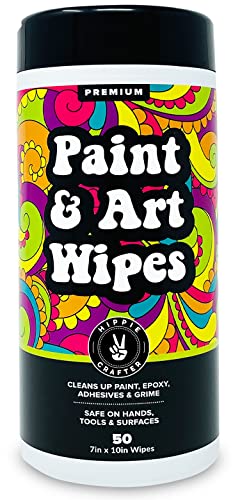
- Acrylic paint stain remover wipes for clothing
- Fabric-safe solvent for removing acrylic paint from textiles
- Clean white cloths or cotton towels
- Old toothbrush or soft-bristled brush
- Normal laundry detergent
- Cold-to-warm water (as allowed by fabric care label)

Before You Start
Check the fabric care label for washing instructions and colorfastness. Test any product on an inconspicuous area first. If the paint is still wet, blot gently to remove as much as possible without spreading.
Safety cautions include wearing gloves and working in a well-ventilated area when using solvents. Avoid heat until the stain is fully removed, as heat can set acrylic paint.
Step-By-Step: How To Remove Acrylic Paint From Clothes
- Scrape off any excess dried paint with a dull edge, being careful not to spread the stain.
- Blot the spot with a clean cloth to lift fresh paint, using light pressure from the outside toward the center.
- Apply a fabric stain remover spray for acrylic paint on clothes to the stained area and let it sit for 5–10 minutes.
- Gently rub the stained area with a soft toothbrush to work the remover into the fibers, then blot with a clean cloth.
- If the stain persists, use acrylic paint stain remover wipes for clothing to target small or stubborn spots, following the product directions.
- Rinse the treated area under cold water from the back of the fabric to push the paint out of the fibers.
- Wash the garment in the hottest water allowed by the fabric care label with regular detergent.
- Check the stain before drying. If any traces remain, repeat the treatment or switch to a fabric-safe solvent for removing acrylic paint from textiles and repeat steps 3–7.
- Air-dry the garment after washing. Do not use a dryer until the stain is completely removed, as heat can set remaining color.
- Inspect the area again post-drying. If needed, repeat the process or consider professional cleaning for delicate fabrics.
Troubleshooting
| Symptom | Likely Cause | Fix | Prevention |
|---|---|---|---|
| Paint remains after first wash | Stain penetrated deep into fibers | Treat with fabric stain remover spray or solvent again | Pre-treat quickly; work from the outside in |
| Rings or halo around stain | Over-application or rubbing | Re-wet and blot gently, then rewash | Apply product sparingly; blot rather than rub |
| Color on light fabrics fades | Harsh solvent or repeated treatments | Use milder method first; test shade on hidden area | Limit treatment cycles on delicate textiles |
| Fabric stiffness or residue | Detergent buildup or solvent residue | Rinse thoroughly and wash again with extra rinse | Rinse well; avoid overuse of products |
Common Mistakes
- Rubbing or scrubbing vigorously, which can embed paint deeper.
- Using hot water on protein-based fabrics before stain removal is complete.
- Skipping a test patch on delicate fabrics or vivid colors.
- Choosing a solvent without confirming fabric compatibility.
Tips For Best Results
- Work from the outside of the stain toward the center to prevent spreading.
- Apply stain treatment while the fabric lies flat to avoid pooling in folds.
- For dry or semi-dry paint, use a gentle solvent and follow with washing to prevent binding.
- Store stain removers and wipes within reach of laundry tasks for quick responses to spills.
- Label the garment after treatment to avoid mixing with other items that could transfer color.
Call A Professional
Seek professional cleaning if the fabric is delicate (such as silk or wool) or if the stain covers a large area. Stop and consult a professional if the stain remains after multiple treatments or if the item has sentimental value.
FAQ
Can I use regular laundry detergent to remove acrylic paint?
Yes, but pre-treat with a stain remover first for better results on tough acrylic stains.
Is it safe to use solvent on all fabrics?
No. Always check the fabric care label and test on a hidden area before applying solvents.
What if the paint is already dry on a delicate fabric?
Use a fabric-safe solvent with caution and consider professional cleaning to avoid damage.
Should I iron the fabric after removing the stain?
Avoid heat until the stain is completely gone, as heat can set remaining paint into the fibers.
Buying Guide
When choosing products to remove acrylic paint from clothes, consider several factors that influence effectiveness and fabric safety:
- Size and coverage: Choose spray bottles or wipes that cover the stained area without excessive product waste.
- Noise level and ease of use: Simple spray or wipe formats minimize noise and confusion in busy households.
- Energy efficiency isn’t directly relevant to stain removers, but selecting products with concentrated formulas reduces waste and trips to the store.
- Controls: Look for clear directions and patch-test indicators on packaging to avoid damage.
- Placement: Keep cleaners within reach near laundry stations or closets for quick access after spills.
Consider a kit that includes a fabric stain remover spray, wipes, and a fabric-safe solvent for easier, all-in-one access. For different fabrics, having a gentle option alongside a stronger solvent helps balance effectiveness with fabric safety.
Leave a Reply