How to Get Rid of Humidity in a Room
Excess moisture can make rooms feel damp, develop musty odors, and encourage mold growth. This guide provides practical, user-friendly steps to reduce humidity in a typical American room using common tools and affordable solutions.
By using a combination of measurement, containment, and proper ventilation, you can create a drier, more comfortable living space with minimal effort.
Quick Answer
Use a compact dehumidifier for small rooms, monitor humidity with a digital hygrometer, and keep a moisture-reducing desiccant on hand for closets. Regularly empty the reservoir, check readings, and adjust settings to maintain 60% relative humidity or lower.
What You’ll Need
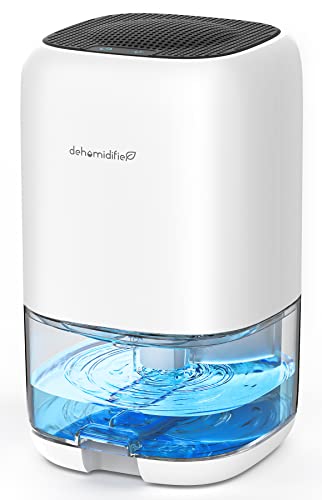
- Compact dehumidifier for small rooms 150 sq ft auto shut-off
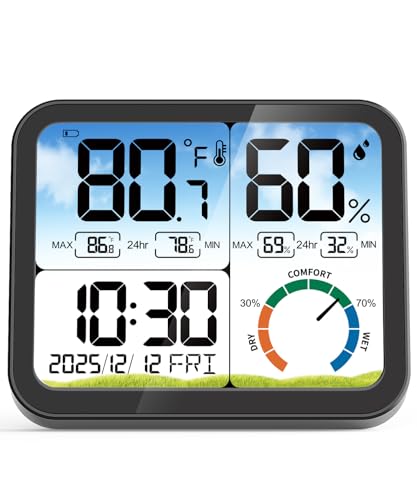
- Digital hygrometer thermometer humidity monitor with large display
- Reusable silica gel desiccant 1 lb for closet humidity control

Before You Start
Assess the room: bedrooms, living spaces, or basements may require different approaches. Place the dehumidifier in a central location away from walls and furniture to improve airflow. Ensure proper electrical safety by using a grounded outlet and avoiding extension cords for continuous duty. Keep children and pets away from hot components.
Time estimates: setup takes 10–20 minutes; daily operation varies by humidity and room size. If you notice persistent damp smells or condensation on windows, consider extending airflow with fans or increasing dehumidifier use.
Step-By-Step: How To Reduce Room Humidity
- Measure baseline humidity with a digital hygrometer thermometer humidity monitor to know your starting RH level.
- Place the compact dehumidifier for small rooms 150 sq ft in a central spot with clearance for air intake and exhaust.
- Set the dehumidifier to an appropriate target RH, typically around 45–60% for living spaces.
- Run the dehumidifier continuously until the readings stabilize, then switch to a maintenance cycle if available.
- Use reusable silica gel desiccant 1 lb in closets or small storage spaces to absorb moisture between HVAC cycles.
- Open interior doors to improve cross-ventilation; use exhaust fans in bathrooms and kitchens to reduce moisture generation.
- Wipe down windows and surfaces showing condensation to prevent mold growth.
- Regularly empty the dehumidifier reservoir or ensure it has auto shut-off when full to avoid overflow.
Troubleshooting
| Symptom | Likely Cause | Fix | Prevention |
|---|---|---|---|
| Room stays damp despite dehumidifier | Insufficient airflow or too much moisture source | Increase airflow with fans; reduce moisture from sources | Keep doors open during the day and vent kitchens/bathrooms |
| Condensation on windows | Cold surfaces and high RH | Lower RH, use window insulation; run dehumidifier | Improve window sealing and use vents |
| Dehumidifier stops early | Full reservoir or safety shut-off | Empty reservoir or adjust settings | Check for continuous operation option |
| Humidity readings inaccurate | Sensor location or device fault | Reposition hygrometer away from direct air flow; replace sensor | Calibrate as needed per manual |
Common Mistakes
- Relying on humidity alone without improving airflow
- Blocking dehumidifier air intake or outlet with furniture
- Overestimating the room size; using a too-small unit
- Ignoring closet moisture by not using desiccants where needed
Tips For Best Results
- Keep a digital hygrometer in the living area and the closet to monitor moisture levels.
- Schedule dehumidifier runs during cooler parts of the day to maximize efficiency.
- Pair the dehumidifier with a fan to improve air circulation without wasting energy.
- Replace desiccants periodically to maintain their moisture-absorbing capacity.
Call A Professional
Consider contacting a pro if you notice persistent damp spots, ongoing mold growth, or a high indoor humidity level (above 60%) despite using a dehumidifier. Seek immediate help if you see mold on walls, ceilings, or HVAC components, or if moisture appears to be coming from a ceiling or wall leak.
FAQ
What is a good humidity level for a living room?
A stable range is typically 30–50% RH for comfort, with many keep it under 60% in humid months.
Can a dehumidifier be left on all day?
Yes, many units are designed for continuous operation; use the auto shut-off feature when full to prevent overflow.
Do I need a hygrometer if I use a dehumidifier?
A hygrometer helps you verify your RH levels and fine-tune dehumidifier settings.
How often should I empty the dehumidifier reservoir?
Depends on room humidity and unit capacity; check daily during damp seasons.
Is silica gel safe to use in a closet?
Yes, when kept away from children and pets, silica gel desiccants are effective moisture absorbers.
Should I ventilate rooms to reduce humidity?
Yes, ventilation helps remove moist air, especially during cooking, showering, and laundry.
Can I use a dehumidifier in a basement?
Absolutely, but measure the space size and choose a unit with appropriate capacity for basement humidity levels.
Buying Guide
Choosing the right humidity-control setup depends on room size, noise tolerance, and usage patterns. Consider size and performance first, then look at energy efficiency and features that fit daily routines.
Key buying factors
- Size and capacity: For small rooms up to about 150 sq ft, a compact dehumidifier with auto shut-off provides efficient moisture control without taking up much space.
- Noise level: Look for models with low decibel levels for bedrooms or living rooms where quiet operation matters.
- Energy efficiency: Energetic features like auto humidity control help minimize running time and conserve power.
- Controls: Digital displays and simple presets simplify maintenance and monitoring.
- Placement: Ensure proper airflow around the unit; avoid placing it flush against walls or furniture.
- Maintenance: Easy-to-clean filters and accessible reservoirs reduce upkeep time.
- Supplemental tools: Use a digital hygrometer for precise readings and a desiccant in closets for targeted moisture control.
With the right combination of a compact dehumidifier, reliable humidity monitoring, and moisture-absorbing desiccants, most rooms can stay dry and comfortable year-round. If you’re unsure which setup fits your space, start with a mid-size, quiet dehumidifier and a digital hygrometer to guide future adjustments.
Leave a Reply