How to Get Rid of Stray Hairs From Clothing and Furniture
Stray hairs are a common nuisance that can cling to fabrics, furniture, and clothing. A practical approach combines simple tools, proper technique, and a few housekeeping habits to minimize shedding and keep surfaces looking tidy. This guide focuses on effective methods for American households, using familiar tools to remove stray hairs from various fabrics.
Quick Answer
For quick results, start with an adhesive lint roller for clothing fabric hair removal to lift loose strands, then finish with a cordless fabric shaver lint remover for sweaters and garments for deeper fuzz. Use a pet hair remover brush for furniture upholstery to tackle larger surfaces and embedded hairs. Repeat as needed and store tools in a reachable spot to maintain a hair-free home.
What You’ll Need
- Adhesive roller or lint roller designed for clothing and fabric hair removal
- Pet hair remover brush for furniture upholstery
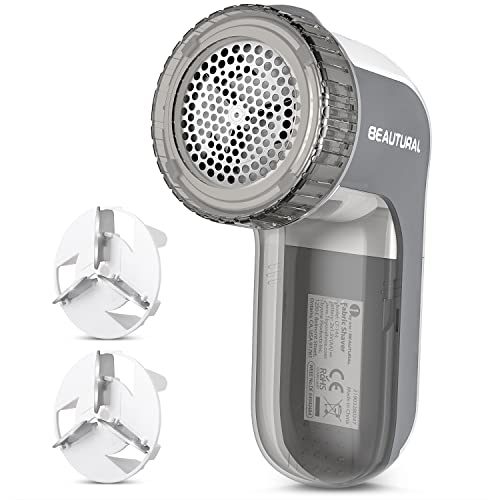
- Cordless fabric shaver lint remover for sweaters and garments
- Microfiber cloths or dusters
- Vacuum cleaner with upholstery attachment (optional)
- Storage bin or organizer for tools


Before You Start
Assess the surface you’ll treat: delicate knits require gentler care, while upholstery can tolerate firmer brushing. Clear the area of loose items to prevent snagging, and test a small, inconspicuous spot on fabrics before full use. Time estimates vary: quick touch-ups take minutes, while deep-fabric refreshes may take 15–30 minutes depending on the area. Avoid using aggressive blades or rough brushes on delicate fabrics, which can cause pilling or damage.
Step-By-Step: How To Get Rid Of Stray Hairs
- Prepare surfaces: Clear the area and choose a tool based on fabric type. For clothing or delicate fabrics, start with a lint roller; for upholstery, begin with a pet hair remover brush.
- Roll with the grain: Move the adhesive roller in smooth, consistent motions along the fabric’s weave to lift hairs without tearing fibers.
- Target edges and seams: Pay attention to seams, pockets, and folds where hair tends to accumulate.
- Refresh the roller: Peel away used adhesive sheets to expose a clean surface; repeat as needed to maintain effectiveness.
- Deep-fur zones: For heavier hair buildup on garments, use a cordless fabric shaver lint remover to brush away pills and embedded fuzz.
- Upholstery refresh: For furniture, use the pet hair remover brush in long, even strokes across cushions and fabric textures; finish with a quick roll to catch loose hairs.
- Vacuum touch-ups: For large areas, a vacuum with an upholstery attachment can collect remaining hairs before finishing with rollers or shavers.
- Maintenance routine: Keep a dedicated hair-removal kit handy and schedule weekly quick clean-ups to prevent buildup.
Troubleshooting
| Symptom | Likely Cause | Fix | Prevention |
|---|---|---|---|
| Hair reappears quickly after cleaning | New shedding or fabric fuzz | Re-run the appropriate tool and consider a light fabric comb for tweed-like textures | Wash fabrics as recommended; use protective covers |
| Adhesive roller loses stickiness | Adhesive sheets loaded with hair | Replace with fresh sheets; wipe roller with a damp cloth to remove residue | Keep spare sheets handy; avoid using on very dusty surfaces |
| Pilling on garments after using shaver | Over-aggressive shaving on delicate knit | Set shaver to a gentle setting and test on a hidden area | Limit shaver use on delicate fabrics |
| Hairs spread to other rooms | Open doors or airflow carries fibers | Contain the cleaning area and wipe adjacent spaces | Close doors and use a lint roller on nearby surfaces |
Common Mistakes
- Using the wrong tool for a fabric type and causing pilling or snagging
- Rushing strokes, which can miss hairs in folds and seams
- Not replacing adhesive sheets promptly, reducing effectiveness
- Neglecting regular maintenance of tools, leading to diminished results
Tips For Best Results
- Pre-treat areas with a quick brush to loosen hair before rolling
- Combine tools: use a lint roller for quick lifts and a fabric shaver for deeper fuzz
- Store tools in a dedicated caddy near laundry and living spaces
- Choose high-quality adhesive rollers with strong grip and easy-sheet replacement
- Regularly clean upholstery and bedding to reduce shedding at the source
Call A Professional
Turn to a professional if fabrics show persistent damage, excessive shedding, or if you need deep cleaning for delicate antiques. Stop signs include fabric tears, discoloration after cleaning attempts, or suspected residue buildup that affects fabric integrity. In cases of large-scale odor or allergen concerns, a professional cleaning service can provide safer, thorough care.
FAQ
What’s the easiest tool for quick stray hair removal?
The adhesive lint roller for clothing fabric hair removal is typically the fastest option for light shedding on most fabrics.
Can I use a fabric shaver on all garments?
Fabric shavers work well on knit and fleece fabrics but test first on a hidden area to avoid damage.
How do I remove hair from upholstery effectively?
Start with a pet hair remover brush for larger surfaces, then finish with a lint roller to pick up residual hair.
Is vacuuming alone enough to remove hair?
Vacuuming helps, but combining it with adhesive rollers or fabric shavers yields the best results on furniture and clothing.
Buying Guide
When choosing tools to manage stray hairs, consider several factors to fit different households and fabrics. Size matters: handheld rollers are convenient for clothes, while larger brushes work best on couches. Noise level is usually minimal, but cordless devices offer flexibility for quick touch-ups. Energy efficiency is less about power consumption for these devices and more about battery life for cordless models. Controls should be intuitive, with simple on/off and blade or setting adjustments. Placement matters: keep tools in a readily accessible spot near laundry areas or living rooms. For a well-rounded kit, combine an adhesive lint roller for clothing fabric hair removal, a pet hair remover brush for furniture upholstery, and a cordless fabric shaver lint remover for sweaters and garments to cover everyday needs. Consider storage options that minimize hair transfer between rooms and ensure each tool is easy to clean after use. If many fabrics are involved, choose models with multiple speed or resistance settings to adapt to different textures.
Leave a Reply