How to Clean Pontoons: A Practical Guide for Boat Owners
Pontoons are prized for stability and style, but their aluminum surfaces require regular cleaning to maintain performance and appearance. This guide explains a practical method using common cleaners and tools designed for pontoon tubes and hulls. Readers will learn the right products, steps, and safety practices to keep aluminum pontoons looking like new.
Whether the pontoons are polished or matte, proper care prevents corrosion, buildup, and staining. The steps below emphasize gentleness, effective scrubbing, and thorough rinsing to protect seals and hardware while removing salt, algae, and grime.
Quick Answer
Use a dedicated marine aluminum cleaner for pontoon tubes and a gentle scrub brush to lift grime, followed by a rinse with clean water. For stubborn spots, apply the pontoon boat aluminum cleaner spray kit, scrub with the pontoon tube hull cleaner scrub brush, rinse, and repeat as needed. Dry thoroughly to prevent water spots.
What You’ll Need
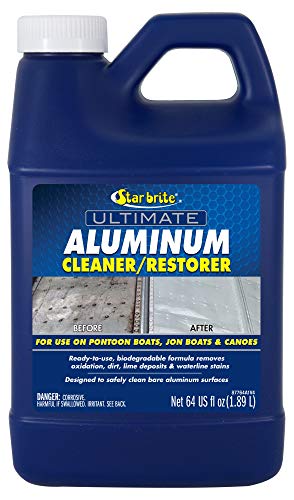
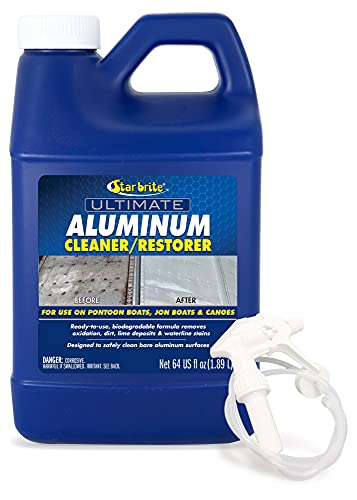
- Pontoon boat aluminum cleaner spray kit
- Pontoon tube hull cleaner scrub brush
- Marine aluminum cleaner for pontoon tubes

Before You Start
Prepare a shaded, well-ventilated work area and ensure the boat is securely moored or on a trailer. Protect nearby surfaces from cleaner runoff. Wear gloves and eye protection. Inspect the pontoons for damaged or corroded areas; avoid cleaning over exposed wiring or mechanical components. Time estimate: 30–60 minutes for routine cleanup, longer for heavy buildup. Never mix cleaners and follow the product instructions for dilution and contact time.
Step-By-Step: How To Clean Pontoons
- Rinse the pontoons with clean water to loosen sand and salt buildup.
- Apply the marine aluminum cleaner for pontoon tubes to the hulls, focusing on high-traffic zones and spots with dull staining.
- Let the cleaner dwell for the recommended time, then use the pontoon tube hull cleaner scrub brush to scrub in circular motions.
- Rinse thoroughly with a strong stream of water to remove all cleaner and residues.
- For tough stains, reapply cleaner and scrub again, especially around keel lines and deck attachments.
- Dry the pontoons completely with a clean absorbent towel or air-dry to prevent water spots.
- Inspect for remaining stains and repeat treatment if necessary, avoiding harsh scrubbing that could scratch aluminum.
- Inspect fittings, bolts, and welds for corrosion; lightly coat with a protective marine polish if recommended by the cleaner’s instructions.
- Dispose of used rinse water and any waste in accordance with local environmental guidelines.
- Store cleaners in a cool, dry place away from direct sunlight and out of reach of children.
- Schedule regular cleanings seasonally to maintain appearance and protect aluminum surfaces.
- Document any damage or corrosion and address promptly to extend pontoon life.
Troubleshooting
| Symptom | Likely Cause | Fix | Prevention |
|---|---|---|---|
| Stubborn brown streaks | Mineral deposits or mineral-rich water | Reapply marine aluminum cleaner and scrub with a soft brush | Rinse promptly after use and dry |
| Scratches or dull finish | Overly aggressive scrubbing | Switch to lighter brushing and a milder cleaner | Use soft brushes and gentle pressure |
| Cleaner not foaming | Improper dilution or old product | Follow label dilution precisely and replace old cleaner | Label-following maintenance |
| White residue after rinse | Mineral salts from rinse water | Rinse with distilled water or repeat rinse | Close to sea water rinse with extra freshwater |
Common Mistakes
- Using abrasive pads on aluminum pontoons
- Letting cleaner sit longer than recommended
- Rinsing with dirty water or in dirty water runoff areas
- Neglecting to dry surfaces completely after cleaning
Avoid these missteps to maintain the integrity of the pontoon tubes and hulls. Regularly inspecting and cleaning helps prevent long-term damage.
Tips For Best Results
- Work from the bow toward the stern to keep runoff away from cleaned areas.
- Apply cleaner to a small section first to test compatibility with the aluminum finish.
- Use a dedicated scrub brush for pontoon tubes to prevent cross-contamination with other cleaning tasks.
- Rinse with a strong stream and dry promptly to minimize water spots and corrosion risk.
- Consider applying a light protective sealant or polish designed for marine aluminum after cleaning, following product guidance.
Call A Professional
Seek professional help if the pontoons show severe corrosion, deep pitting, or structural damage around welds and brackets. If cleaning products cause skin irritation, eye irritation, or if there is any uncertain reaction with existing coatings, contact a marine maintenance pro.
FAQ
Can I use household cleaners on pontoon aluminum?
Household cleaners may contain additives that are too harsh for marine aluminum. Use products designed for marine aluminum cleaners when possible.
How often should I clean pontoons?
Clean pontoons at least once per season, or more often if the boat is used in saltwater or in algae-prone environments.
Is it safe to use a power washer?
A gentle rinse is best; high-pressure spray can damage seals and coatings. If using a power washer, keep the nozzle at a safe distance and use a wide spray.
Should I wax or seal the pontoons after cleaning?
Yes, applying a marine-grade sealant or polish can help protect the aluminum finish and ease future cleaning efforts.
What if stains persist after cleaning?
Persistent stains may require repeated cleanings or a specialized stain remover formulated for marine aluminum; follow product directions closely.
Are there environmental considerations for runoff?
Yes. Clean in a designated area and collect runoff to dispose of according to local guidelines to protect waterways.
Can I clean while the boat is in the water?
Cleaning while afloat is possible but more challenging; it is safer and easier to work with the boat on a trailer or lift out of the water.
Buying Guide
When selecting products to clean pontoons, consider size, finish, and environmental impact. For example, a pontoon boat aluminum cleaner spray kit should offer ready-to-use formulations for quick jobs and include a compatible spray nozzle for even coverage. A pontoon tube hull cleaner scrub brush helps reach tight crevices along the tube walls, while a marine aluminum cleaner for pontoon tubes provides deeper cleaning for stubborn residues. Look for low-foaming formulas that rinse clean and are safe for seals and gauges. Check compatibility with painted or anodized surfaces if applicable, and confirm the product is suitable for saltwater or freshwater use as needed. Ensure storage and handling instructions align with household safety standards, and review environmental guidelines for runoff disposal.
Key buying factors include size and coverage, cleaning strength versus gentleness, scent and user experience, and the availability of replacement parts or accessories. Consider the boat’s typical use environment (saltwater vs freshwater) and the level of maintenance you expect. If you often store the boat in dry or humid environments, you may prioritize products with corrosion inhibitors or protective finishes. Finally, verify that the packaging includes clear dilution instructions and safe handling recommendations to support safe and effective maintenance.
Leave a Reply