How to Get Rid of Mildew Smell in Towels Safely
Mildew odors in towels are a common issue, especially in humid climates or after towels sit damp for too long. Proper cleaning and prevention can restore freshness and extend towel life. This guide provides practical steps and product recommendations to tackle mildew smell effectively without damaging fabrics.
This article uses practical methods and consumer-grade products available in the U.S. market. It explains how to remove the odor from towels, prevent it from returning, and maintain overall bathroom linen hygiene.
Quick Answer
Boost cleaning power with oxygen bleach to break down mildew and odors, then follow with a targeted deodorizer and enzyme cleaner to break down organic buildup. Run an extra rinse cycle to ensure complete odor removal and prevent residue buildup.
What You’ll Need
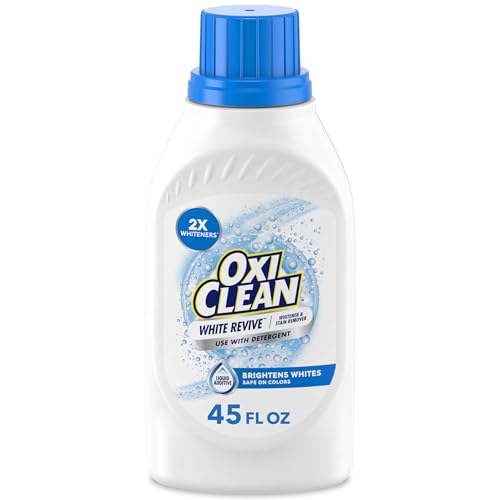
- Oxygen bleach laundry booster for mildew smell towels
- Towel deodorizer spray mildew odor remover for towels
- Enzyme cleaner for mildew on towels
- Hot water cycle or water heater set to a high but safe temperature for towels
- Washing machine with a sanitize or long wash option
- Non-scented laundry detergent
- Clean microfiber cloths or towels for air drying


Before You Start
Before tackling mildew on towels, consider these prerequisites and safety notes. Always check fabric care labels to avoid damage from high heat or harsh chemicals. Test cleaners on a small, inconspicuous area if you’re unsure about colorfastness.
Time estimates vary by method, but you should plan for about 60–90 minutes for a thorough cleaning cycle, followed by air drying. Ensure good bathroom ventilation during cleaning and handling of cleaning products to minimize inhalation exposure.
Step-By-Step: How To Remove Mildew Odor From Towels
- Empty the washing machine and inspect towels for heavy mildew spots; treat any stubborn areas with a pre-wash spot cleaner if needed.
- Add oxygen bleach laundry booster for mildew smell towels to the empty washer drum, following label directions for water volume and powder-to-water ratio.
- Set the washer to the hottest safe setting for towels and run a full wash cycle with non-scented detergent to begin the odor removal.
- Once the cycle completes, run a second wash using oxygen bleach laundry booster again, but with an extra rinse option enabled if available.
- After the washing cycles, immediately apply towel deodorizer spray mildew odor remover for towels to any remaining odor hotspots or to freshen towels before drying.
- Dry towels completely in a hot dryer or sun-dry if fabric care permits. Do not leave towels damp in the laundry area to avoid re-growth of mildew.
- If odor persists, treat towels with enzyme cleaner for mildew on towels by applying a small amount to damp towels and letting it sit for 15–30 minutes before washing again.
- Run a final rinse cycle with hot water to remove any remaining cleaner residues, then air or machine dry until completely dry.
- Maintain freshness by regularly washing towels after use, avoid leaving damp towels in the hamper, and consider using a machine cleaner periodically to prevent mildew buildup.
- For persistent mildew odors, repeat the enzyme cleaner treatment or alternate with a wash using a mildew-focused booster for a few cycles, followed by thorough drying.
- Store towels in a dry, well-ventilated area or cabinet with doors that allow airflow to prevent recurring moisture buildup.
Troubleshooting
| Symptom | Likely Cause | Fix | Prevention |
|---|---|---|---|
| Persistent mildew odor after wash | Old odor trapped in fibers | Repeat wash with oxygen bleach booster and enzyme cleaner; extend rinse | Wash towels promptly after use; don’t let damp towels sit |
| White residue on towels | Excessive use of additives | Run an extra rinse with plain water | Follow product directions; use minimal necessary amount |
| Fabrics feel stiff after drying | Residue buildup from cleaners | Run a rinsing cycle with hot water only | Use proper amounts and thoroughly rinse regularly |
| Color fading or color transfer | Bleach or cleaners on colored towels | Choose color-safe oxygen boosters; test first | Separate whites from colored towels |
Common Mistakes
- Using hot water with delicate fabrics that can shrink or dull colors
- Combining strong cleaners without adequate rinses, leading to residue
- Washing damp towels repeatedly without drying fully, which feeds mildew
- Neglecting to inspect towels for full dryness before storage
Tips For Best Results
- Run a maintenance wash on the machine monthly to prevent mildew buildup inside the drum and hoses.
- Air-dry towels whenever possible to avoid heat and moisture cycles that foster mildew growth.
- Use a dedicated space or laundry cycle for towels to avoid cross-contamination with clothing.
- Store towels in a dry environment with good airflow; consider moisture absorbers in the laundry area.
Call A Professional
Seek professional help if mildew odors persist after multiple thorough cleanings, or if towels have visible mold growth, persistent staining, or if you notice a musty smell despite multiple attempts. If you have sensitive skin or allergies, consult a cleaner or home care expert for guidance on safer, effective products and methods.
FAQ
Can oxygen bleach damage towels?
When used according to label directions on suitable fabrics, oxygen bleach is generally safe for towels; test first on a small area if you’re unsure.
Is enzymatic cleaner better than bleach for mildew on towels?
Enzyme cleaners target organic residues that feed mildew and can be gentler on fabrics; they’re often used after an initial bleach or for ongoing maintenance.
How often should I wash towels to prevent mildew?
Wash towels after several uses in humid climates or weekly in normal climates, and ensure complete drying after each use.
What’s the best way to dry towels to prevent mildew?
Dry on high heat if fabric care allows, or sun-dry; ensure towels are completely dry before storage.
Can I mix multiple cleaners in one wash?
Avoid mixing cleaners; follow label instructions and perform multiple rinses to remove residues.
Should I use fabric softener with mildew-prone towels?
Fabric softeners can reduce absorbency and trap moisture; consider skipping or using sparingly, especially with towels prone to mildew.
Buying Guide
When choosing products to combat mildew smell in towels, consider size, efficiency, and how your laundry routine fits into your home. The following factors help compare options:
- Size and concentration: Look for oxygen bleach boosters formulated for routine load sizes; consider powder vs. liquid formats.
- Odor control power: Enzyme cleaners are useful for organic residue; deodorizing sprays are helpful for quick refreshes between washes.
- Energy and water use: High-efficiency washers can still achieve thorough cleaning with proper cycles; select cycles that maximize sanitize and rinse options.
- Controls and ease of use: Pre-measured packets or easy-to-pour bottles reduce the risk of overuse.
- Placement and storage: Store cleaners in a dry, well-ventilated area away from children and pets; keep products away from heat sources.
- Compatibility with fabrics: Check care labels on towels to ensure product compatibility and avoid color bleeding or fabric damage.
With the right combination of boosting agents, targeted deodorizing sprays, and enzyme cleaners, towels can stay fresh and odor-free. Would you like help selecting specific product combinations based on your towel types and washing setup?
Leave a Reply