How to Clean and Deodorize a Dishwasher
Dishwashers can accumulate grime, mineral buildup, and lingering odors over time. Regular cleaning not only improves performance but also extends the appliance’s life. This guide walks American homeowners through a safe, practical routine using common tools and a few specialty brushes designed for interior scrubbing and spray arm maintenance.
The steps below focus on removing debris, sanitizing interiors, and deodorizing the cavity. A well-maintained dishwasher runs more efficiently, uses less water, and leaves dishes sparkling clean without residual smells. Follow the process step by step to achieve consistent results.
Quick Answer
Fast method: Run an empty cycle with a dishwasher-safe cleaner or white vinegar on the hottest setting, then scrub the interior with a dishwasher interior brush and rinse arm with a dishwasher spray arm cleaning tool to remove buildup. Finish with a baking soda rinse for deodorizing.
What You’ll Need
- Dishwasher cleaning brush set
- Dishwasher interior brush
- Dishwasher spray arm cleaning tool
- Dishwasher-safe cleaner or white vinegar
- Baking soda
- Soft cloth or sponge
- Protective gloves (optional)
- Old toothbrush or small tools for hard-to-reach spots (optional)

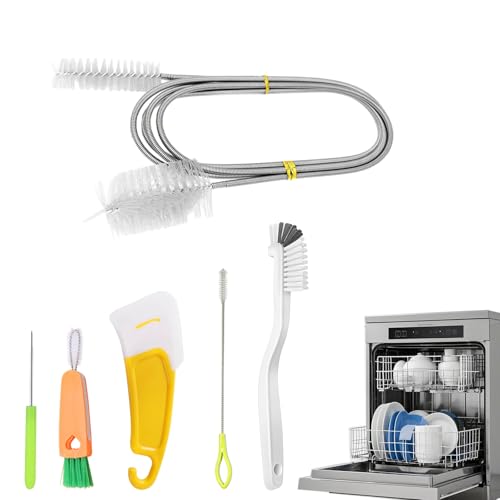
Before You Start
Ensure the dishwasher is cool before cleaning to avoid burns. Remove racks to access the tub and spray arms easily. Check the manual for any model-specific cautions, especially around components that may require disassembly. Protect surfaces and grout around the dishwasher area from cleaners and splashes. Time estimate: 45–60 minutes for a thorough cleaning.
Step-By-Step: How To Clean And Deodorize A Dishwasher
- Remove all racks and pull out any visible debris from the dishwasher floor and drain area.
- Check the filter and remove any food particles. Rinse the filter with warm water and a gentle brush.
- Scrub the interior walls with the dishwasher interior brush to loosen buildup along corners and crevices.
- Inspect and clean the spray arm jets using the dishwasher spray arm cleaning tool to dislodge clogs.
- Place a cup of white vinegar in the bottom rack and run the hottest cycle to sanitize. Alternatively, use a dishwasher-safe cleaner according to label directions.
- After the hot cycle completes, sprinkle baking soda across the bottom and run a short hot cycle to deodorize and brighten interior surfaces.
- Wipe down seals and edges with a damp cloth to remove residue and prevent mold growth.
- Reinstall racks and run a final short rinse with an empty cycle to ensure all loosened debris is flushed out.
- Optionally, wipe the door gasket and hinges with a damp cloth to maintain a tight seal and reduce odor recurrence.
- For persistent odors, repeat monthly or adjust cleaning frequency to match usage and water hardness in the area.
- Test a few dishes afterward to confirm improved cleanliness and odor control.
Troubleshooting
| Symptom | Likely Cause | Fix | Prevention |
|---|---|---|---|
| Dishes still smell after cleaning | Bad odor trapped in seal or filter | Thoroughly clean seals, replace or clean filter, run vinegar cycle | Clean monthly, use proper detergent, keep door ajar after cycles |
| Spray arms not rotating or spraying well | Clogged spray arm jets | Use spray arm cleaning tool to clear jets; rinse and test | Run hot cycles regularly and pre-rinse heavily soiled dishes |
| Water not draining properly | Blocked drain or filter | Remove debris from filter and drain; run a cleaning cycle | Remove large food particles before loading |
| Visible residue on dishes | Residue from hard water or detergent | Run a rinse cycle with clean water; consider a water-softening option | Use appropriate detergent; avoid overloading |
Common Mistakes
- Using abrasive cleaners that can scratch the tub or seals
- Overloading the dishwasher, blocking spray arms
- Skipping the filter or cleaning the seals
- Using too much baking soda or vinegar, which can cause fizzing or residue
Tips For Best Results
- Run an empty cycle with vinegar or a dishwasher-safe cleaner every 1–3 months depending on usage and water hardness.
- Regularly inspect and clean a clogged spray arm to maximize cleaning efficiency.
- For hard water areas, consider a water-softening solution or monthly mineral buildup prevention routines.
- Keep the door gasket clean to prevent mold growth; wipe it dry after cleaning cycles.
Call A Professional
Seek professional help if there is persistent leakage, unusual noises, or the dishwasher fails to drain after multiple cleaning attempts. Also contact a pro if you notice electrical issues, unusual burning smells, or if interior components appear damaged.
FAQ
How often should I clean my dishwasher?
A thorough cleaning every 1–3 months is typically sufficient for most households, with a hot-cycle clean monthly in areas with hard water.
Can I use bleach to clean a dishwasher?
Bleach is not recommended for most dishwasher interiors because it can degrade gaskets and harm seals. Use vinegar or a purpose-made cleaner instead.
Why does my dishwasher still smell after cleaning?
Odor can come from the door seal, filter, or clogged drainage. Clean these areas thoroughly and consider a baking soda deodorizing cycle.
Is it safe to use a dishwasher interior brush?
Yes, a soft-bristle dishwasher interior brush helps reach corners without scratching surfaces. Use it gently and rinse well after scrubbing.
Should I pre-rinse dishes before loading?
Lightly scrape off large food particles, but avoid heavy pre-rinsing as modern detergents work well with some soil left on dishes.
What if my spray arm won’t spin?
Remove and clean the spray arm jets with a dedicated cleaning tool; inspect for cracks or damage and replace if needed.
Buying Guide
When choosing cleaning tools and accessories for dishwashers, consider several factors to maximize effectiveness and longevity:
- Size and compatibility: Ensure tools fit standard racks and spray arms; check model compatibility for interior brushes and spray arm tools.
- Material quality: Opt for durable, non-scratching brushes and corrosion-resistant tools designed for frequent use.
- Effectiveness: Look for tools specifically marketed for dishwasher maintenance, such as interior brushes and spray arm cleaners.
- Ease of use: Choose ergonomic handles and tool heads that reach corners without disassembly.
- Maintenance needs: Prioritize tools that are easy to clean after use and dishwasher-safe where applicable.
- Noise and energy considerations: Cleaning won’t affect energy use, but efficient tools reduce cleaning time and effort.
- Placement and storage: Store tools in a dry area where they won’t collect dust or interfere with daily loading.
With the right accessories—like a dishwasher cleaning brush set, a dishwasher interior brush, and a dishwasher spray arm cleaning tool—homeowners can implement a thorough, repeatable cleaning routine. Regular maintenance keeps odors at bay and helps dishes come out sparkling clean.
Leave a Reply