How to Clean Tarnished Silver Jewelry
Silver jewelry adds timeless elegance, but it can quickly lose its luster due to tarnish. This guide walks American readers through practical, safe methods to restore shine using common tools and products. By following the steps, you’ll keep sterling pieces looking bright and new.
Whether you wear heirlooms or contemporary pieces, regular care helps prevent heavy buildup. The methods below are suitable for most sterling silver jewelry and avoid aggressive scrubbing that could scratch delicate finishes.
Quick Answer
For light tarnish, wipe with a sterling silver jewelry polishing cloth until the shine returns. For moderate tarnish, apply a tarnish remover liquid designed for silver, following label directions, then rinse and dry. For stubborn grime or intricate designs, use an ultrasonic jewelry cleaner or repeat the polish step as needed.
What You’ll Need
- Sterling silver jewelry polishing cloth
- Tarnish remover liquid for silver jewelry 8oz
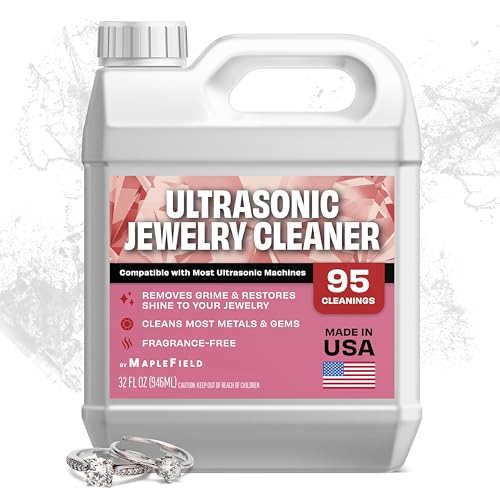
- Ultrasonic jewelry cleaner for silver tarnish removal


Before You Start
Inspect each piece for loose stones or delicate enamel before cleaning. Remove any gemstones that might be sensitive to cleaners. Test cleaners on a small, inconspicuous area first to avoid damage. Time estimates vary: light touch-ups take 5–10 minutes, while deeper cleaning can require 20–30 minutes. Never soak jewelry if it has porous stones or glued components. Work in a well-lit area and lay a soft towel to prevent drops from causing scratches.
Step-By-Step: How To Clean Tarnished Silver Jewelry
- Gather the tools: polishing cloth, tarnish remover liquid, and ultrasonic cleaner if using one.
- Assess tarnish level by visual inspection; note pieces with heavy discoloration or etched patterns.
- For light tarnish, gently buff the piece with the sterling silver jewelry polishing cloth in smooth, circular motions.
- If tarnish persists, apply a small amount of tarnish remover liquid to a lint-free cloth or the piece itself, following the product label. Do not soak delicate items unless specified.
- Rinse metal pieces with lukewarm water after chemical treatment to remove residues, then pat dry with a soft cloth.
- For intricate designs, run the item short cycles in the ultrasonic jewelry cleaner, using the manufacturer’s recommended settings for silver.
- Dry thoroughly and examine; repeat any steps for stubborn spots, avoiding aggressive scrubbing.
- Store cleaned jewelry in a cool, dry place, ideally in anti-tarnish pouches or individual compartments to prevent future tarnish buildup.
- Re-check pieces over the next few days for re-tarnishing and repeat cleaning as needed to maintain brightness.
Troubleshooting
| Symptom | Likely Cause | Fix | Prevention |
|---|---|---|---|
| Dull, uneven shine after cleaning | Residue left on surface | Re-wipe with cloth or rinse and dry thoroughly | Rinse after chemical cleaners; dry completely |
| Piece smells strongly of chemicals | Overuse of cleaner on porous surfaces | Rinse immediately; use minimal amounts next time | Follow label directions precisely |
| Discoloration around stones | Cleaner contact with certain settings | Avoid soaking; test first on inconspicuous area | Use cloth-only polishing for stone settings |
| Persistent tarnish in crevices | Design microcrevices trap tarnish | Use ultrasonic cleaner with gentle cycles | Regular light cleanings to prevent buildup |
Common Mistakes
- Overpolishing, which can wear away the metal’s finish over time
- Using abrasive pads or harsh cleaners on delicate or antiqued pieces
- Soaking jewelry with glued elements or porous stones
- Ignoring storage needs that invite quick re-tarnishing
Tips For Best Results
- Use a dedicated polishing cloth for silver rather than household cleaners to avoid scratches
- Apply cleaners in a well-ventilated area and follow safety cautions on labels
- Inspect clasps and settings during cleaning to ensure stones stay secure
- Store jewelry in anti-tarnish pouches or tarnish-resistant boxes if stored long-term
Call A Professional
Seek professional help if jewelry features fragile or valuable stones, intricate vintage designs, or heavy corrosion that cleaning cannot restore. Stop cleaning and consult a jeweler if you notice loose stones, bent hoops, or compromised soldering. Avoid attempting complex repairs at home as DIY methods may void warranties or cause further damage.
FAQ
Can I clean all sterling silver jewelry the same way?
Most pieces respond well to polishing cloths or tarnish removers, but items with gemstones or enameling require caution and possible professional care.
Is an ultrasonic cleaner safe for all silver pieces?
Ultrasonic cleaners are effective for many items but can damage soft stones or delicate settings; always test a small area first or skip ultrasonic cleaning for such pieces.
How often should I clean tarnished silver?
Light tarnish can be addressed as needed; deeper cleaning should be spaced out to avoid excessive wear on the metal.
What storage helps prevent tarnish most?
Keep pieces in airtight anti-tarnish pouches or individual compartments away from humidity and heat.
Buying Guide
When selecting products for cleaning tarnished silver, consider size, effectiveness, and material safety. For light polish, a dedicated sterling silver jewelry polishing cloth is quick and gentle. For heavier tarnish or designs that resist cloth-only cleaning, choose a tarnish remover liquid formulated for silver and labeled safe for jewelry. If pieces have tight crevices or sentimental value, an ultrasonic jewelry cleaner offers deeper cleaning with minimal manual effort.
Size matters for practical use: a compact bottle of tarnish remover is easy to store, while larger options reduce replacement frequency for high-volume collections. Noise and energy use are typically low for both cleaners and ultrasonic units, but consider household preferences and space when choosing placement. Controls should be simple: look for clear directions and auto-off features for safety. Place cleaners away from children and pets, on a stable surface, and in a well-ventilated area. Finally, compatibility matters: confirm that the cleaner and cloth are safe for sterling silver and safe to use with any stones or enamels in your collection.
Leave a Reply