Eliminate Fly Trap Odors: Practical Home Solutions
The smell from insect traps can be unpleasant and persistent, especially in kitchens, garages, or utility rooms. This guide explains practical methods to neutralize fly trap odors using common household products and air-purification options. By following step-by-step actions, homeowners can maintain a fresher indoor environment while keeping pest traps effective.
Readers will learn how to identify odor sources, apply safe odor-control products, and maintain trap effectiveness. The goal is to reduce odor without compromising the trap’s ability to catch flies or other pests. The strategies combine simple cleaning, absorbents, and targeted air filtration.
Quick Answer
Best quick fix: ventilate the area, spray a purpose-made odor neutralizer around the trap, and place an activated charcoal absorber nearby. For continuous control, pair a compact air purifier with a carbon filter to address odors at the source.
What You’ll Need
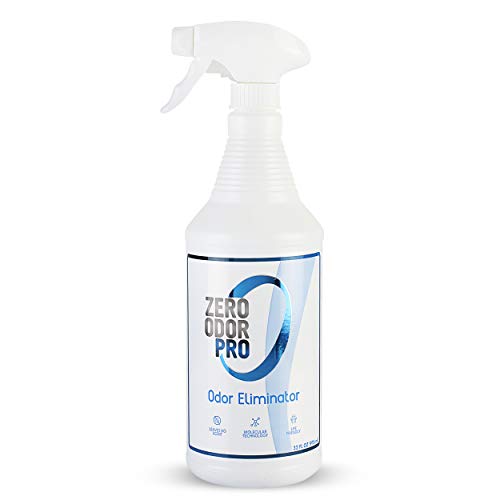
- odor neutralizer spray for insect trap odors
- activated charcoal odor absorber bag for fly trap smell
- compact air purifier for pest trap odors HEPA carbon filter


Before You Start
Before tackling odor, ensure the trap is functioning correctly and the area is well-ventilated. Clear any clutter around the trap to improve airflow. Time estimates vary; most odor-control steps can be completed in 30–60 minutes. Caution: use products labeled for indoor use and follow all safety instructions on the packaging. Avoid mixing cleaners with chemical aerosols and keep pets away during application.
Step-By-Step: How To Eliminate Fly Trap Odor
- Identify the odor source: note whether the scent comes from the trap housing, surrounding surfaces, or nearby drains.
- Ventilate the space: open windows or use a fan to create cross-ventilation for faster odor dissipation.
- Clean the trap exterior: gently wipe the trap housing with a mild, non-corrosive cleaner to remove residue that can intensify smell.
- Apply odor neutralizer spray: lightly mist the area around the trap, avoiding direct spray on the trap mechanism unless the product instructions permit it.
- Place activated charcoal near the trap: set the activated charcoal odor absorber bag for fly trap smell within a few feet to capture escaping odors.
- Deploy a compact air purifier: position a small purifier with a carbon filter and HEPA stage to continuously filter air around the trap.
- Check trap maintenance: dispose of captured insects according to label directions and replace attractants or baits as recommended.
- Monitor results: after 24–48 hours, reassess odor levels and adjust placement of absorber bags or purifier if needed.
Troubleshooting
| Symptom | Likely Cause | Fix | Prevention |
|---|---|---|---|
| Persistent smell despite cleaning | Odor leaking from trap internals | Replace or refresh trap components per manufacturer guidance | Schedule regular maintenance and bag changes |
| Odor concentrated in one corner | Limited airflow | Reposition purifier or add a small fan directing airflow | Keep area uncluttered |
| Air purifier seems ineffective | Filter saturation | Replace carbon filter and clean pre-filter as needed | Choose purifier with appropriate CADR for room size |
| Charcoal bag appears damp | Excess humidity | Place bag away from damp areas and consider a dehumidifier | Maintain moderate room humidity |
Common Mistakes
- Using strong citrus sprays near an attractant-based trap, which can deter flies but alter trap efficacy
- Over-saturating surfaces with cleaners that leave residues and attract more dust
- Neglecting venting in small spaces like cabinets or utility rooms
- Forgetting to replace carbon filters or absorber bags on a regular schedule
Tips For Best Results
- Place an odor absorber bag at multiple strategic points around the trap for even coverage.
- Choose a compact air purifier with a true HEPA filter and activated carbon media for best odor control in small rooms.
- Combine odor control with routine trap maintenance for long-lasting freshness.
- Keep the trap away from food preparation areas to minimize cross-contamination risks.
Call A Professional
Seek professional help if odors persist after multiple maintenance cycles, or if the trap area involves large-scale infestation. Contact a pest management professional when there is evidence of a broader problem, such as widespread fly activity beyond the trap’s immediate vicinity, or if fitting a purifier or absorber does not reduce odors adequately.
FAQ
What causes fly trap odors to escalate?
Odors often come from trapped insects decomposing, bait residues, and ambient humidity that concentrates smells around the trap housing.
Can I use fragrance sprays with fly traps?
Fragrances may mask odors but can interfere with trap attractants; use purpose-made odor neutralizers following label directions.
How often should I replace the carbon filter in a purifier?
Replacement frequency depends on usage and room size; follow the purifier’s maintenance schedule for optimal performance.
Is it safe to leave the trap running overnight?
Yes, but ensure the area is ventilated and the trap is in good working order to avoid buildup of odors or fumes.
Will moving the purifier affect odor control?
Positioning matters; place the purifier where clean air can circulate past the trap and toward the room’s center.
Should I use multiple odor-control products at once?
Yes, in moderation: use one odor-neutralizing spray near the trap and a separate carbon-based absorber bag for long-term control.
Buying Guide
When choosing odor-control solutions for fly traps, consider size, noise, energy use, and placement. A compact air purifier should fit the room’s dimensions while providing quiet operation. Odor absorber bags with activated charcoal offer passive, ongoing control without electricity but require replacement on a schedule. For spray-based odor control, select products labeled for insect trap odors and ensure compatibility with your trap’s materials. In terms of placement, position absorbers and purifiers to create a cross-flow of air that draws odors away from food-prep areas and seating zones. Compare products by their carbon content, filter life, and ease of maintenance to get the best combination of effectiveness and convenience.
Leave a Reply