How to Clean a Gravel Driveway Efficiently and Safely
Cleaning a gravel driveway removes dirt, oil stains, moss, and embedded debris that dulls its appearance. A well-planned approach protects the gravel, prevents washout, and extends the life of the surface. This guide covers practical steps, common issues, and smart tool choices for American homeowners.
Quick Answer
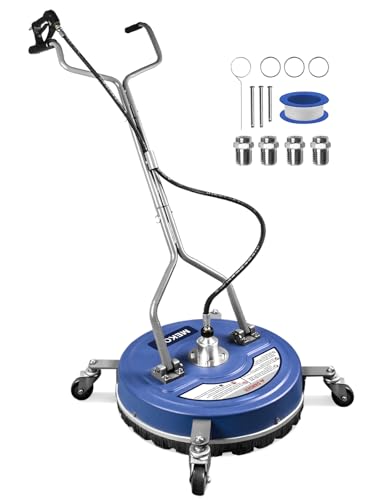
Best overall approach: Use a pressure washer with a surface cleaner attachment for driveway to blast away grime without disturbing gravel. For stubborn stains, a gas powered pressure washer 4000 psi for concrete driveway cleaning can deliver deep cleaning, but adjust pressure to protect edges. Pair with a driveway cleaning brush attachment for pressure washer to reach corners and edges.
What You’ll Need
- Pressure washer with surface cleaner attachment for driveway
- Gas powered pressure washer 4000 psi for concrete driveway cleaning
- Driveway cleaning brush attachment for pressure washer


Before You Start
Plan a dry day to avoid mud and clay sticking to the gravel. Check for loose stones and level high spots before washing to minimize washout. Protect nearby plants, siding, and electrical outlets with plastic sheeting or shields. Wear safety glasses, gloves, and closed-toe shoes. Estimate 1–3 hours for a typical driveway depending on size and condition.
Step-By-Step: How To Clean Gravel Driveway
- Inspect the driveway and remove large debris like sticks, leaves, and weeds from joints.
- Rinse the surface with a low-pressure fan spray to wet the area and loosen loose dirt.
- Attach the surface cleaner attachment for driveway to the pressure washer for even cleaning and minimal gravel displacement.
- Start at the far end and work in straight, overlapping passes to avoid streaks and ensure full coverage.
- For oil and grease stains, treat with a degreasing cleaner or biodegradable cleaner before a second pass with the pressure washer.
- Use the driveway cleaning brush attachment for pressure washer to scrub stubborn spots and to reach tight corners.
- Rinse thoroughly to remove loosened sediment and soap residues. Move rocks back into place if needed after washing.
- Let the driveway dry completely before driving on it or adding new gravel to prevent displacement.
- Assess edges and corners; repeat targeted passes if any areas remain dull or stained.
- Monitor water runoff and adjust spray angle to minimize erosion or gravel displacement in future cleanings.
- Store equipment properly, dry brushes, and clean the nozzle to extend tool life.
- Document any persistent stains to plan for periodic maintenance and future cleanings.
Troubleshooting
| Symptom | Likely Cause | Fix | Prevention |
|---|---|---|---|
| Patches of gravel wash out | High-pressure settings or overlapping passes | Use a surface cleaner and reduce pressure on edges | Maintain consistent distance from surface |
| Streaks or uneven cleaning | Uneven passes or dirty nozzle | Overlap widths evenly; clean nozzle tip | Regular maintenance of wand and nozzle |
| Stubborn oil stains | Deep-set oil or fuel residue | Pre-treat with degreaser, then rewash | Seal or treat stains promptly |
| Excess dust after cleaning | Dry, loose soil | Rinse again with clean water | Wait for a dry, calm day to wash |
Common Mistakes
- Using high pressure directly on loose gravel edges
- Skimping on pre-cleaning of debris and weeds
- Over-wetting the area and causing runoff into lawn beds
- Using harsh cleaners that harm vegetation
Careful preparation and a methodical approach help prevent these issues.
Tips For Best Results
- Test a small, inconspicuous section first to gauge the surface reaction to cleaners and pressure.
- Work with the sun at your back to monitor cleaning progress and avoid glare on the surface.
- Keep a steady pace; rushing often causes streaks and missed spots.
- Use eco-friendly cleaners when possible to protect plants and groundwater.
- After cleaning, add a light spread of new gravel to replenish any displaced material for a neat finish.
Call A Professional
Consider calling a pro if you notice extensive oil contamination, soft spots, or erosion of the driveway base. Also seek help if you lack the proper equipment, such as a high-powered gas unit or heavy-duty brushes, or if the driveway is attached to a structural element that could be damaged by high-pressure water.
FAQ
What pressure should I use to clean a gravel driveway?
Start with moderate pressure and adjust based on cleaning results to avoid gravel displacement.
Can I use a pressure washer on all gravel driveways?
Most gravel driveways respond well, but very loose or unstable edges may require extra care.
Do I need degreaser for oil stains?
Yes, a biodegradable degreaser helps lift oil before rinsing.
Is a surface cleaner necessary?
A surface cleaner speeds cleaning and reduces gravel splash compared to a standard spray wand.
How long does it take to clean a typical driveway?
Most driveways take 1–3 hours depending on size and condition.
Buying Guide
Choosing the right tools for cleaning a gravel driveway involves several factors. Size and layout of the driveway influence tool capacity and water flow needs. Noise level matters for residential settings, especially near homes or neighbors. Energy efficiency is relevant for electric units, but many homeowners opt for gas-powered models for portability and power. Controls should be intuitive, with adjustable pressure settings and easy-wash patterns. Placement and storage space also affect setup—look for compact storage and durable hoses. Consider accessories like a surface cleaner attachment for driveway and a dedicated brush attachment to tackle edges and stubborn stains. A well-matched kit reduces time, protects gravel, and delivers a cleaner, longer-lasting driveway appearance.
Leave a Reply