How to Clean AC Fins for Better Efficiency
Dirty AC fins can reduce airflow, lower cooling efficiency, and strain the system. Cleaning the fins on your air conditioner or heat pump helps maintain performance and prolongs unit life. This guide outlines safe, practical steps for American homeowners to clean AC fins without causing damage to the condenser.
Fans and coils require careful handling to avoid bending the delicate fins. Following the steps below will help you remove dirt, debris, and buildup while preserving airflow and heat transfer.
Quick Answer
Turn off the equipment and disconnect power. Use a fin comb or a AC fin cleaning brush to gently straighten bent fins, then apply a HVAC condenser coil cleaner spray according to label directions. Rinse with a light mist, allow to dry, and reassemble. Regular light cleanings every 6–12 months prevent buildup and maintain efficiency.
What You’ll Need
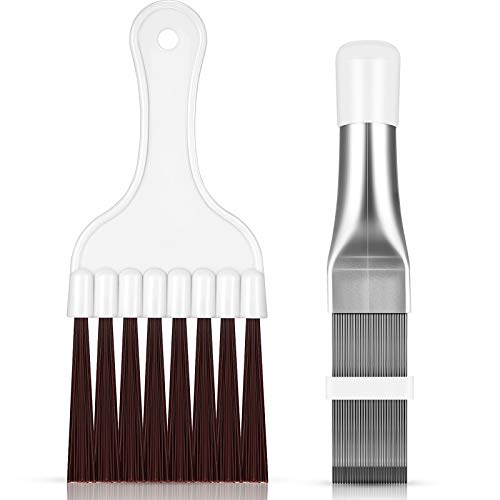
- Condenser coil fin comb set
- AC fin cleaning brush for condenser coils
- HVAC condenser coil cleaner spray


Before You Start
Ensure the system is completely powered off at the breaker before beginning any cleaning. Wear eye protection and gloves to guard against chemical contact. Work in a shaded area if possible to prevent rapid drying of cleaner on sunny days. Time estimate: 30–60 minutes for a typical unit; more for heavily soiled fins. Avoid high-pressure sprays that can bend or damage fins, and never spray cleaner directly into electrical components.
Step-By-Step: How To Clean AC Fins
- Power down the system at the breaker and disconnect any outdoor disconnect switch as a safety precaution.
- Access the condenser coil and inspect for bent fins and heavy debris like leaves or dirt baked onto the coils.
- Gently remove large debris with a soft brush or gloved hand to avoid grinding dirt into the fins.
- Use the fin comb to straighten bent fins. Work carefully along the direction of the fins, not across them.
- Spray the condenser coils with the HVAC condenser coil cleaner spray following the product’s instructions. Allow the cleaner to sit for the recommended time to loosen grime.
- Rinse lightly with a low-pressure mist, aiming from the top down to avoid pushing dirt into the coil. Do not use high pressure or a strong stream.
- Give the fins a final pass with the fin comb to restore spacing and airflow paths where needed.
- Let the coils dry completely before reconnecting power. Inspect for any remaining debris or bent fins and address as needed.
- Reassemble any panels, reattach the power supply, and test the unit for normal operation and improved airflow.
- Keep up with routine maintenance: perform a light cleaning every 4–6 months during peak outdoor dust periods.
- Schedule a professional service if you notice persistent poor cooling, unusual noises, or visible refrigerant issues.
Troubleshooting
| Symptom | Likely Cause | Fix | Prevention |
|---|---|---|---|
| Reduced cooling after cleaning | Incomplete rinsing or bent fins | Rinse again with low pressure; re-check fins with a comb | Perform gentle, thorough cleaning; avoid scrubbing hard |
| Persistent debris between fins | Stubborn buildup | Apply cleaner again and repeat brushing | Schedule regular maintenance |
| Water leaks or damp surroundings | Excessive cleaner or improper drainage | Wipe excess liquid; ensure drainage path is clear | Use cleaners recommended for your unit |
| Fins remain bent after combing | Severe deformation | Professional fin straightening or coil replacement if needed | Handle fins gently during cleaning |
Common Mistakes
- Using high-pressure water or strong hoses that bend fins
- Forcing the fin comb through tightly packed fins
- Rushing the cleaning without letting cleaners sit as directed
- Spraying cleaner directly into electrical components or controls
- Neglecting safety steps or reassembling without verifying all connections are secure
Tips For Best Results
- Schedule seasonal cleanings to prevent heavy buildup before summer heat.
- Keep surrounding area clear of leaves and debris to reduce future contamination.
- Combine cleaning with coil inspection for signs of corrosion or wear.
- Use products specifically designed for condenser coils to avoid residue or chemical damage.
- Document maintenance with dates to track cleanings and plan upcoming service.
Call A Professional
Call a professional if visual inspection reveals refrigerant leaks, corroded fins beyond repair, unusual vibrations, or if the system fails a basic functional test after cleaning. Do not attempt to diagnose refrigerant issues yourself, as improper handling can be dangerous and illegal in some areas.
FAQ
Can I use household brushes to clean AC fins?
Use dedicated fin combs or soft brushes; household brushes may be too stiff and damage fins.
Is it safe to spray water on the condenser fins?
Light, low-pressure mist is acceptable; avoid high-pressure sprays that can bend fins or push water into electrical parts.
How often should fins be cleaned?
Typically every 4–6 months during peak dust exposure, with a deeper annual check.
What if fins won’t straighten?
Minor bending is normal, but severe deformation may require professional fin straightening or coil replacement.
Buying Guide
Choosing the right accessories helps maintain condenser fins and overall system efficiency. Consider the following factors to maximize results and comfort.
- Size and compatibility: Ensure fin comb sets and brushes fit your unit’s coil spacing and fin type. Universal sets often work with most residential condensers.
- Tool quality: Look for corrosion-resistant metal for combs and durable brushes with soft bristles to avoid scratch damage.
- Cleaner compatibility: Select a condenser coil cleaner spray formulated for outdoor use and safe on aluminum fins. Follow label directions for dwell time.
- Ease of use: Ergonomic handles and comfortable grips reduce fatigue during maintenance tasks.
- Safety features: Choose products with clear safety instructions, and use protective eyewear and gloves during cleaning.
- Maintenance schedule: Pair tools with a routine calendar to establish consistent care without overdoing it.
- Placement considerations: Keep cleaning products away from living areas and store safely away from children and pets.
With the right tools and a regular cleaning routine, fins stay aligned, airflow improves, and your AC system runs more efficiently. If you’re unsure about any step or encounter persistent issues, a qualified HVAC technician can provide expert assessment and service.
Leave a Reply