How to Clean Ski Clothes Safely and Effectively
Ski wardrobes include delicate fabrics, waterproof shells, and insulated layers that require careful care. Proper cleaning helps maintain performance, extend gear life, and keep you warm on the slopes. This guide covers practical methods, tools, and best practices for American skiers and snowboarders.
Following the steps below ensures fabrics stay breathable, seams stay intact, and waterproofing remains strong through many seasons of adventures.
Quick Answer
For most ski garments, use a technical fabric detergent designed for waterproof jackets and pants, wash on a gentle cycle with cold water, and air-dry away from direct heat. Use a dedicated down and synthetic insulation cleaner when needed and a mesh laundry bag for delicates to extend fabric life.
What You’ll Need
- technical fabric detergent for waterproof ski jackets and pants
- down and synthetic insulation cleaner for ski jackets
- mesh laundry bag for delicates ski gear
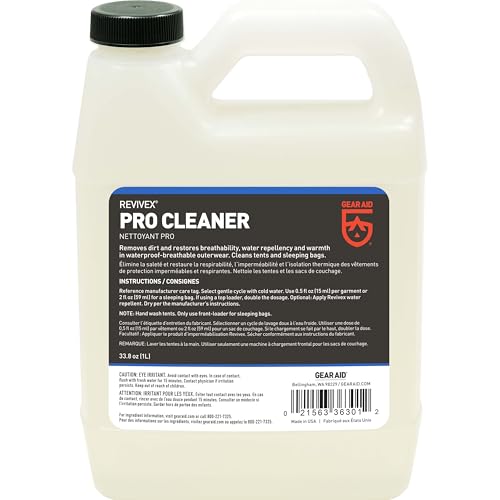 |
GEAR AID Revivex Pro Cleaner Wash for Synthetic Technical Fabrics, GORE-TEX Jackets, Tents, Sleeping Bags, Ski Pants, Gloves, and Outdoor Waterproof-Breathable Gear, 1 Liter (33.8 fl oz) |
Before You Start
Check garment care labels for specific instructions and ensure zippers are closed before washing. Use cold water to protect waterproof coatings and insulation loft. u003cstrongu003eAvoid fabric softeners, solvents, and high heatu003e. Allow extra time for air drying in a well-ventilated area. If you ski in damp or muddy conditions, pre-rinse heavily soiled items to minimize staining.
Step-By-Step: How To Clean Ski Clothes
- Sort items by fabric type and care label recommendations, separating waterproof shells from insulated pieces.
- Prepare the washing machine: use a cold water cycle and a mild amount of technical fabric detergent for waterproof ski jackets and pants.
- Place delicate items in a mesh laundry bag for delicates ski gear to prevent snagging on agitators.
- Wash waterproof shells on a gentle cycle, turning them inside out to protect outer surfaces.
- Rinse thoroughly to remove all detergent residues that can affect breathability and waterproofing.
- If using down or synthetic insulation cleaners, follow label directions and apply evenly to the insulated layers.
- Gently press out excess water; avoid wringing to protect seams and insulation loft.
- Air dry items flat or on a hanger away from direct heat sources. Do not tumble dry unless the care label permits.
- Recharge waterproof coatings after drying if recommended by the jacket manufacturer, using a suitable reproofing product.
- Inspect zippers, Velcro, and seams; re-activate any waterproof zips and fix loose threads as needed.
- Store clean gear in a dry, breathable area to prevent mildew and odor buildup.
Troubleshooting
| Symptom | Likely Cause | Fix | Prevention |
|---|---|---|---|
| Water beads poorly after washing | Detergent residue or worn waterproof coating | Rewash with minimal detergent; reproof as needed | Use correct amount of detergent; avoid fabric softeners |
| Insulation clumps | Improper drying or wash cycle | Rewet and re-dry with appropriate settings; use jacket with dryer balls if allowed | Follow care labels; avoid high heat |
| Fabric stiff or crunchy after wash | Over-washing or use of harsh detergents | Rewash with mild detergent on gentle cycle | Limit washes; spot-clean delicate areas |
| Zippers sticky or hard to move | Debris or fabric catching | Clean zipper teeth; lubricate with zipper lubricant if needed | Close zippers before washing; keep gear clean |
Common Mistakes
- Using regular laundry detergents that strip waterproofing
- Washing on hot or with high agitation, which can damage fabrics
- Drying waterproof shells in a hot dryer unless allowed by the label
- Skipping the post-wash reproofing step when coatings wear
Tips For Best Results
Always air dry ski clothes when possible to preserve insulation and waterproofing. Use a mesh laundry bag to protect delicate items during washing. Consider periodically reproofing shells to maintain water repellency in wet or snowy conditions. If gear has a removable liner, wash liners according to their separate care instructions for optimal loft.
Call A Professional
Seek professional cleaning if items show persistent stains, odor that won’t escape after washing, or fabric delamination. Stop using gear if coatings crack, seams separate, or waterproof performance clearly degrades after cleaning. When in doubt, contact a professional ski gear cleaner for assessment and maintenance.
FAQ
What’s the best detergent for waterproof ski jackets?
Use a detergent formulated for technical fabrics that preserves waterproof coatings and breathability.
Can I machine wash insulated ski pants?
Yes, on a gentle cycle with cold water; use the appropriate insulation cleaner if needed.
Should I towel dry or air dry after washing?
Air dry whenever possible to protect loft and fabric integrity; avoid high heat.
How often should I reproof ski shells?
Reproof when water stops beading or after heavy use in wet snow conditions.
Is a mesh bag necessary?
A mesh laundry bag helps protect delicates and reduces friction during washing.
Can I use fabric softener on ski clothes?
Avoid fabric softeners; they can reduce waterproofing and breathability.
Buying Guide
Key factors to consider when choosing cleaner and care products for ski clothing:
- Size and capacity of detergents: select appropriate volumes for frequent use during ski season.
- Noise level and energy use: choose efficient machines and detergents that work well in cold water wash cycles.
- Energy efficiency and environmental impact: opt for eco-friendly detergents and cleaners designed for technical fabrics.
- Controls and ease of use: look for clear care label guidance and test patches before full cleaning.
- Placement and storage: store detergents away from heat and direct sunlight; keep gear ready for next day on the slopes.
For comparing options, consider how well each product pair supports waterproofing, loft preservation, and odor control. If uncertain, start with a single item, test on a small area, and monitor performance over successive washes. Would you like recommendations tailored to your climate and typical snow conditions?
Leave a Reply