How to Get Rid of Vinegar Smell in Carpet
Vinegar odors in carpet can result from cleaning, spills, or pet accidents. While vinegar itself can be a helpful odor neutralizer, its strong scent can linger if not addressed properly. This guide walks through practical steps to remove or reduce vinegar smells from carpet using common household tools and targeted odor-eliminating products.
By following a structured approach—quick assessment, appropriate deodorizing products, thorough drying, and safe cleanup—you can restore freshness to affected areas without damaging carpet fibers or surrounding surfaces.
Quick Answer
Quick Method: Blot the area, apply a neutral odor remover, and then use a carpet steam cleaner with an odor elimination feature. Finish with baking soda or enzyme-based spray and allow thorough drying. For persistent odors, repeat and extend ventilation.
What You’ll Need
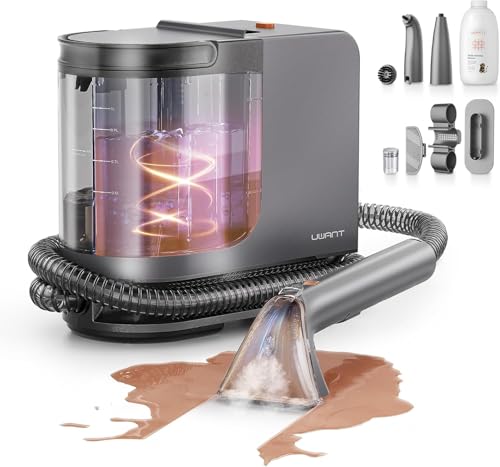
- Portable carpet steam cleaner with odor elimination feature for carpets
- Enzyme-based carpet odor remover spray 32 oz
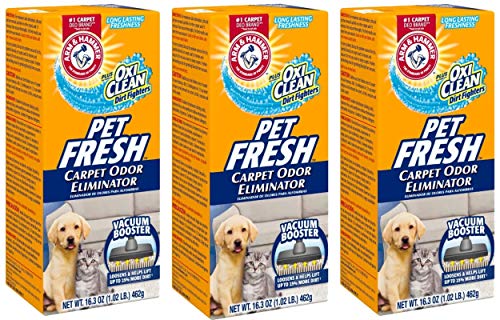
- Baking soda carpet deodorizer powder 5 lb for odors and freshening

Before You Start
Inspect the affected area to determine the moisture level and fiber type. Test any product on a small, hidden patch to ensure no discoloration. Prepare the space with good ventilation, open windows or run a fan. Time to complete the process can range from 1 to 6 hours, depending on moisture and air flow. Safety note: Do not mix cleaning agents, and avoid saturating the carpet excessively, which can lead to mold or mildew.
Step-By-Step: How To Get Rid Of Vinegar Smell In Carpet
- Gently blot the area with clean towels or a microfiber cloth to remove excess liquid without pushing it deeper into the carpet.
- Apply an enzyme-based carpet odor remover spray directly to the affected zone, following the product label for coverage and dwell time.
- Let the enzyme works on breaking down odor-causing molecules for the recommended duration, typically 15–30 minutes.
- Use a portable carpet steam cleaner with an odor elimination feature to thoroughly rinse and extract remaining moisture and odors.
- After steaming, sprinkle a light layer of baking soda carpet deodorizer powder over the area and allow it to sit for several hours or overnight, then vacuum completely.
- Reassess the carpet after the area dries; if the vinegar smell persists, repeat odor remover treatment and consider a second steam cleaning cycle focusing on the affected zone.
- Maintain airflow by keeping windows open and using fans to speed up drying, which helps prevent mildew and lingering odors.
- For stubborn spots, reapply the enzyme-based spray and extend the dwell time before repeating the cleaning cycle.
- Consider placing odor-absorbing materials, such as activated charcoal or dehumidifiers, in the room while the carpet dries.
- Finish with a light fragrance-free deodorizer if odor-neutral products leave a faint scent, ensuring the carpet remains comfortable to walk on.
Troubleshooting
| Symptom | Likely Cause | Fix | Prevention |
|---|---|---|---|
| Vinegar smell returns after cleaning | Insufficient drying or incomplete odor removal | Repeat enzyme treatment and ensure complete drying | Ventilate during and after cleaning |
| Discoloration after cleaning | Overly concentrated cleaner or fabric sensitivity | Spot test and dilute cleaner if possible | Use manufacturer-recommended concentrations |
| Moist odor persists for days | Moisture trapped under padding | Increase airflow and use a dehumidifier | Address spills promptly |
| Foaming or excessive suds | Wrong cleaner mixing | Rinse with clean water and extract thoroughly | Keep products separate as directed |
Common Mistakes
- Over-wetting the carpet, which slows drying and promotes mold
- Using strong cleaners that leave their own odors
- Skipping a test spot before treating the entire area
- Delaying cleanup after a spill, which allows odors to set
Tips For Best Results
- Choose enzyme-based odor removers for protein-based spills or pet odors, as they target odor-causing microbes effectively.
- Always follow label directions on the odor-elimination cleaner and carpet steam cleaner to maximize performance and protect fibers.
- Ventilation is crucial; pair open doors with fans or a dehumidifier to accelerate drying and odor dispersion.
- Use baking soda as a post-cleaning deodorizer, but vacuum thoroughly after the recommended dwell time to prevent residue buildup.
- Test cleaning products on an inconspicuous area to avoid staining or color change.
Call A Professional
Consider contacting a professional carpet cleaning service if odors persist after multiple treatments, or if the smell is associated with a larger area, significant spills, or potential mold growth. Seek help promptly if you notice persistent musty odors, water damage, or visible staining that does not improve with standard cleaning.
FAQ
How long should I wait after applying enzyme cleaner before cleaning with a steam machine?
Wait per the product label, typically 15–30 minutes for enzymes to work, then proceed with steam cleaning as needed.
Can I mix baking soda with vinegar for deodorizing?
Avoid mixing vinegar with baking soda directly on carpet; the reaction can create fizz and may spread the odor. Use them in sequence rather than together.
Will enzyme cleaners damage my carpet?
When used as directed, enzyme cleaners are generally safe for most carpet fibers, but always perform a spot test first.
Is it necessary to steam clean after applying odor removers?
Steam cleaning helps remove moisture and residues, and can enhance odor elimination, but follow product instructions and consider carpet type and fiber.
Buying Guide
When choosing odor-control tools for carpets, consider these factors to ensure effective odor removal and safe use in American homes.
- <bSize and coverage: For larger rooms, select a portable carpet steam cleaner with a wide nozzle and robust extraction power to cover bigger areas efficiently.
- <bOdor elimination features: Look for built-in odor neutralizers or compatibility with odor-removing additives designed for carpets.
- <bCleaning agents: Choose enzyme-based odor removers for persistent organic smells and baking soda powders for routine freshening.
- <bNoise level and energy use: Consider devices with quiet operation and energy-efficient motors for daytime cleaning without disturbance.
- <bControls and ease of use: Simple control panels and clear instructions help ensure proper use and safer results.
- <bPlacement and space: Plan for ventilation and drying space; avoid clutter that blocks airflow around treated areas.
By evaluating these factors, homeowners can select compatible products that work together—such as a portable steam cleaner, enzyme odor remover, and baking soda deodorizer—to achieve fresh, odor-free carpets without hassle.
Leave a Reply