How to Get Rid of Period Acne Overnight
Hormonal acne during the menstrual cycle can be stubborn and uncomfortable. This guide provides practical, science-based steps that aim to reduce redness and swelling by the next day. It combines quick at-home treatments with a calm, step-by-step routine readers can follow safely in a typical American bathroom or bedroom setting.
Quick Answer
Use a targeted spot treatment, combine topical benzoyl peroxide with protective hydrocolloid patches, and consider light therapy to calm inflammation overnight. If hormonal flare-ups persist, seek professional guidance and review a long-term skincare plan.
What You’ll Need
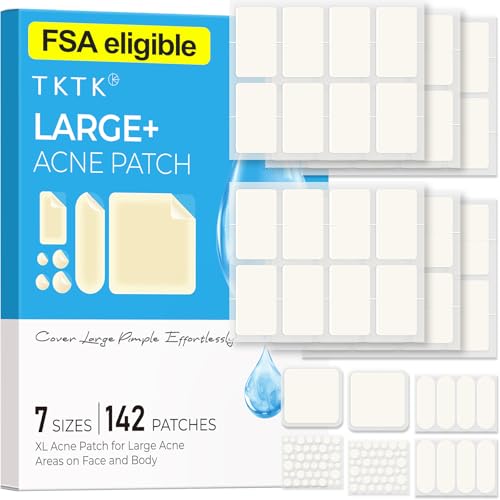
- Hydrocolloid acne patches batch (large pack recommended) to protect and draw out impurities
- Benzoyl peroxide gel 2.5% for spot treatment on inflamed pimples
- LED light therapy acne mask with blue light (kills surface bacteria) and red light (reduces inflammation)
- Gentle cleanser suitable for acne-prone, sensitive skin
- Non-comedogenic moisturizer to support skin barrier
- Broad-spectrum sunscreen for daytime protection


Before You Start
Before beginning, understand that overnight results vary with skin type and hormonal context. Clear the area of heavy makeup and exfoliants to minimize irritation. Perform a patch test for benzoyl peroxide 2.5% on a small skin area to ensure no adverse reaction holds. Do not apply benzoyl peroxide on broken or deeply inflamed skin. If skin becomes excessively red or irritated, reduce frequency or discontinue use and consult a clinician.
Time estimate: about 20–40 minutes of active steps, plus patch dwell time. Schedule this at night to take advantage of night-time skin repair processes.
Step-By-Step: How To Address Period Acne Overnight
- Cleanse gently with a mild, acne-friendly cleanser to remove oil and impurities. Pat dry with a clean towel; don’t rub, which can worsen irritation.
- Apply benzoyl peroxide gel to active blemishes. Use a thin layer on each spot, avoiding surrounding healthy skin. Allow it to absorb for a few minutes before moving to the next step.
- Place hydrocolloid patches directly over the treated pimples. These patches create a protective barrier, absorb exudate, and reduce friction from clothing or pillowcases while you sleep.
- Activate LED light therapy mask for targeted treatment. Use blue light on areas prone to acne-causing bacteria and red light to soothe inflammation. Follow device instructions for duration and safety precautions.
- Moisturize to support the skin barrier with a non-comedogenic, fragrance-free moisturizer. This helps prevent dryness that can trigger extra oil production the next day.
- Apply sunscreen next morning if you plan to go outdoors, as light exposure and certain skin therapies increase sensitivity. Choose a broad-spectrum, oil-free sunscreen with SPF 30 or higher.
- Assess and re-evaluate in the morning. If redness and swelling persist, repeat the benzoyl peroxide patch and LED steps for a second night only with caution, or seek professional guidance.
- Consider a lighter approach on future evenings during predictable hormonal cycles—alternating between gentle cleansers, spot treatments, and light therapy to minimize irritation while keeping breakouts manageable.
Troubleshooting
| Symptom | Likely Cause | Fix | Prevention |
|---|---|---|---|
| Stinging or excessive redness after applying benzoyl peroxide | Over-application or sensitive skin | Use a thinner layer; decrease frequency | Patch-test products before full use |
| Patch lifts during sleep | Patches not properly applied or skin moisture | Press edges firmly; avoid touching the patch | Apply on clean, dry skin; replace nightly |
| Blue/red light therapy yields no improvement | Insufficient exposure time or device issue | Confirm device settings and duration; ensure skin is clean | Follow manufacturer guidelines precisely |
| Dryness or flaky skin after routine | Overuse of benzoyl peroxide | Limit to targeted spots, or alternate nights | Layer a gentle moisturizer after treatment |
Common Mistakes
- Applying benzoyl peroxide to large areas instead of spots, increasing irritation
- Skipping patch tests or using incompatible skincare products together
- Over-reliance on aggressive treatments during hormonal acne cycles
- Neglecting sunscreen during daytime after light therapies
Tips For Best Results
- Keep changes gradual: introduce one new product at a time to monitor reactions
- Consistency matters: nightly routines over a few days reduce flare-ups more effectively than single treatments
- Hydration supports healing: drink water and eat a balanced diet; hormonal acne is influenced by overall lifestyle
- Maintain pillowcase hygiene and minimize friction from clothing to reduce irritation
- Consider a multi-pronged approach: LED therapy, hydrocolloid patches, and spot treatment often yields faster improvements
Call A Professional
Seek professional help if acne worsens, leaves permanent scarring, or if there is severe redness, warmth, or feverish symptoms around breakouts. Persistent hormonal acne that does not respond to over-the-counter regimens may require prescription therapies or a dermatologist-guided plan, especially in cases of cyclical flares or nodular lesions.
FAQ
Can period acne really be treated overnight?
While overnight improvement is possible, results vary. A targeted plan combining spot treatment, hydrocolloid patches, and light therapy can reduce inflammation and speed healing for many users.
Is benzoyl peroxide safe for sensitive skin?
Yes, at low concentrations and when applied to smaller areas. Patch testing is recommended to confirm tolerance.
What role does LED light therapy play for hormonal acne?
Blue light targets bacteria, while red light reduces inflammation, helping to calm breakouts during hormonal cycles.
Are hydrocolloid patches suitable for all acne types?
They work best on surface-level pimples with a visible white head or raised areas, and they can protect skin while healing overnight.
How often should I repeat the routine if breakouts persist?
Repeat the spot treatment and patch routine for no more than two consecutive nights, then reassess. If symptoms persist, consult a clinician.
Buying Guide
When choosing products to address period acne, consider size, noise level, energy efficiency, controls, and placement. A compact LED mask with adjustable intensity is ideal for home use and travel. Hydrocolloid patches should come in a large pack for ongoing protection and rapid wear-through. A benzoyl peroxide gel at a gentle concentration supports spot management without heavy residue. For best results, select a non-comedogenic moisturizer and a sunscreen that fits your daily routine. Think about where you’ll use these products: a bathroom vanity or a bedroom nightstand influences packaging size and ease of use. If budget allows, a combination kit that pairs LED therapy with spot treatments provides a convenient, integrated approach to hormonal acne control.
Leave a Reply