How to Clean Baseball Cleats for Peak Performance
Baseball cleats are subjected to dirt, grass, mud, and dust during games and practices. Proper cleaning not only extends their life but also helps prevent odors and maintain traction. This guide walks American players through a practical, step-by-step process using everyday tools and a few specialized products.
Quick Answer
Remove excess dirt, rinse with water, scrub with a nylon-bristle brush, wipe dry, and apply a deodorizing spray to keep cleats fresh between uses. Let them air-dry completely before next game or practice.
What You’ll Need
- Baseball cleat cleaning brush set nylon bristle
- Athletic shoe cleaning kit with brush baseball cleats
- Baseball cleat deodorizer spray odor eliminator for shoes
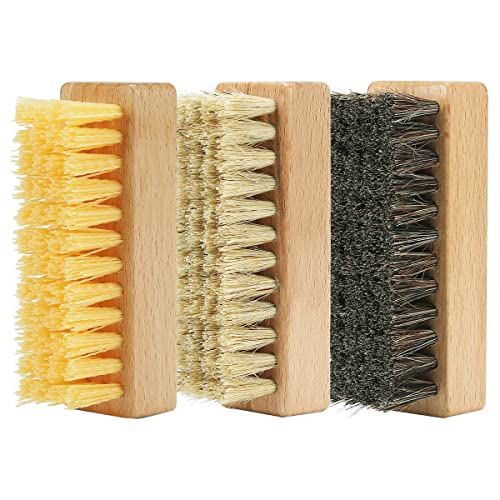


Before You Start
Before cleaning, remove laces and insoles if possible to access all areas. Brush away loose dirt before washing to avoid grinding grit into the material. Use cool water and avoid soaking leather or synthetic uppers for prolonged periods, which can degrade materials. Drying should be done away from direct heat to prevent warping. Plan for about 15–30 minutes for the initial clean and 30–60 minutes for complete dry time.
Step-By-Step: How To Clean Baseball Cleats
- Remove dirt: Use a dry brush to knock off mud, grass, and debris from the outsole and uppers.
- Pre-rinse: Lightly rinse with cool water to loosen stuck-on material without saturating the shoe.
- Prepare cleaning solution: Mix a small amount of mild detergent with cool water in a bowl.
- Scrub gently: Dip the nylon-bristle brush in the solution and scrub all surfaces, paying attention to the tread and away-from-ankle seams.
- Clean laces and insoles: Wash laces by hand or in a mesh bag; wipe and air-dry insoles separately if removable.
- Rinse and wipe: Rinse the shoes with clean water and wipe away soap residues with a damp cloth.
- Dry properly: Pat dry with a towel and let air-dry in a well-ventilated area, avoiding direct heat sources.
- Deodorize: Once dry, apply baseball cleat deodorizer spray odor eliminator for shoes to combat residual odors.
- Reassemble: Reinsert laces and insoles, ensuring everything is dry before use.
- Inspect for damage: Check stitching, eyelets, and studs for wear; address issues before the next game.
- Store properly: Keep cleats in a ventilated bag or area to prevent mold and odor buildup.
Troubleshooting
| Symptom | Likely Cause | Fix | Prevention |
|---|---|---|---|
| Persistent odor after cleaning | Residual moisture or deep-seated odor | Re-clean and spray deodorizer; ensure complete dry before storage | Clean promptly after each use; dry thoroughly |
| Stiff leather or synthetic uppers | Over-soaking or harsh cleaners | Use less detergent and shorter soaking; avoid hot water | Use mild cleaners and cool water |
| Faded logo or material wear | Strong scrubbing or abrasive brushes | Switch to softer brush for delicate areas | Test cleaner on a small area first |
| Soles still muddy after wash | Deep crevices not cleaned | Use a stiff brush or old toothbrush for crevices | Brush immediately after use to prevent mud setting |
Common Mistakes
- Over-wetting leather or synthetic materials
- Using hot water or aggressive brushes that damage uppers
- Skipping proper drying, leading to odor or mold
- Ignoring odor control, causing persistent smells
Tips For Best Results
- Clean cleats soon after use to prevent mud from setting.
- Use a dedicated nylon-bristle brush to avoid scuffing delicate surfaces.
- Apply deodorizer spray after every clean and allow full drying before storing.
- Inspect studs and plates regularly for loose or damaged components and replace as needed.
- Store cleats in a breathable bag or area to minimize moisture buildup.
Call A Professional
Seek professional help if cleats have serious material damage, persistent odor despite cleaning, or electrical water exposure if using tumble-dried equipment or if pads become compromised. Stop using cleats and consult a sport-shoe repair shop when you notice cracked leather, separated seams, or broken studs.
FAQ
Can I machine wash baseball cleats?
Machine washing is not recommended for most cleats as it can damage materials and studs. Hand washing with mild soap and cool water is safer.
How often should I clean baseball cleats?
Clean them after heavy use or when mud and grass accumulate. A quick wipe-down after practice helps prevent odor buildup.
Is it okay to use bleach on cleats?
Bleach can damage materials and color; avoid it unless the manufacturer explicitly approves it for your specific cleats.
Should I dry cleats in direct sunlight?
No. Direct sunlight can warp materials. Air-dry in a shaded, well-ventilated area.
What’s the best way to deodorize cleats between games?
Use a dedicated deodorizer spray designed for athletic shoes and ensure complete drying before storage.
Buying Guide
Choosing the right cleaning setup for baseball cleats involves several factors. Consider size, ensuring a comfortable fit and easy access to hard-to-reach areas. Look for a baseball cleat cleaning brush set nylon bristle that includes multiple brush sizes for different surfaces, plus a dedicated tool for crevices. An athletic shoe cleaning kit with brush baseball cleats can streamline the process with integrated solutions and a soft cloth. For odor control, a baseball cleat deodorizer spray odor eliminator for shoes helps maintain freshness during the season.
When comparing options, assess durability of brushes, material compatibility with your cleats (synthetic vs. leather), and whether the kit provides a gentle cleaning approach to preserve uppers. Consider how easy it is to remove lace and insoles for thorough cleaning, and whether the kit includes a protective storage bag to keep gear odor-free between uses.
Other buying factors include noise level of cleaning tools (quiet brushes are preferable for indoor use), portability for on-site maintenance, and any included maintenance tips or warranties. Think about your typical cleaning routine: single-game cleanup or weekly deep cleans will influence the best kit choice. Would you benefit from a deodorizer with a quick-dry formula, or a longer-lasting option for heavy odor control?
Leave a Reply