How to Get Rid of Pigeons Without Hurting Them
Anyone dealing with pigeon droppings, noise, and nesting mess knows it’s important to deter birds humanely. The goal is to encourage pigeons to relocate or avoid an area without harm. This guide focuses on humane, non-lethal methods using widely available deterrents designed for outdoor use in American settings.
By combining physical barriers, motion-activated deterrents, and targeted netting, property owners can reduce pigeon activity while minimizing harm to the birds. The approach emphasizes safety for people, pets, and the birds themselves, along with long-term effectiveness through proper placement and maintenance.
Quick Answer
Choose a layered solution: install stainless steel bird spikes for pigeons to deter perching, add an ultrasonic outdoor bird deterrent for motion-activated warnings, and cover balconies with polypropylene bird netting. Regular inspection and cleaning keep the system effective and humane.
What You’ll Need
- Stainless steel bird spikes for pigeons outdoor anti-perching deterrent
- Ultrasonic outdoor bird deterrent for pigeons motion-activated
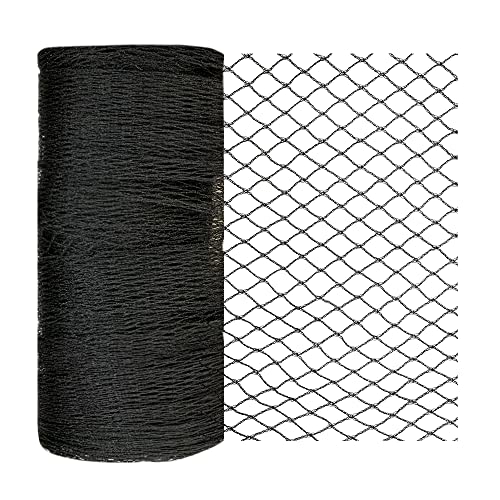
- Polypropylene bird netting for balconies pigeons 1-inch mesh


Before You Start
准备 the area to be humane and safe: clear debris, seal gaps, and plan highest-traffic perching zones first. Wear sturdy gloves and eye protection when installing spikes or netting. Consider local wildlife guidelines to ensure humane treatment. Expect a practical timeframe of a few days to a couple of weeks for noticeable results, depending on the setup and the pigeons’ habits. Important: avoid harming birds or blocking escape routes. Maintain clear access for maintenance and cleaning to prevent hazards.
Step-By-Step: How To Get Pigeons To Stay Away Without Harming Them
- Assess hotspots: identify ledges, sills, and balconies with regular pigeon activity.
- Install stainless steel bird spikes along ledges and perching areas to prevent roosting without injuring birds.
- Place the ultrasonic deterrent at optimal range and ensure it covers the most active zones without disturbing neighbors or pets.
- Unroll and secure polypropylene bird netting over balcony railings or larger nesting zones to create a physical barrier.
- Secure netting edges to solid surfaces and check for loose loops that could trap birds or pets.
- Test motion-activation: walk the area to confirm the deterrent triggers consistently without false alarms.
- Schedule routine inspections: remove debris, check nets for wear, and adjust spikes to maintain effectiveness.
- Keep alternative roosting spots out of the immediate area to encourage birds to relocate.
- Coordinate with neighbors: share best practices and ensure devices don’t cause disruption beyond your property.
- Monitor results weekly: adjust placement, add more spikes or netting as needed to cover new roosts.
- Document improvements: note which zones show reduced activity and which may require reinforcement.
Troubleshooting
| Symptom | Likely Cause | Fix | Prevention |
|---|---|---|---|
| Pigeons return after installation | Deterrents placed too narrowly | Extend coverage; add more spikes or netting | Rule out new perching spots periodically |
| Ultrasonic device silent or ineffective | Obstruction or incorrect placement | Move device to unobstructed area; reorient | Regularly check power source and wiring |
| Netting tears or sagging | Exposure to weather or improper installation | Repair or replace damaged sections; secure tensions | Annual inspection and maintenance |
| Birds hang near but not on spikes | Alternative roosts nearby | Extend spikes to adjacent ledges | Monitor and adapt over time |
Common Mistakes
- Relying on a single deterrent type—pigeons adapt, so combine barriers.
- Buying cheap or undersized netting that sags or tears quickly.
- Blocking an escape route or causing nesting stress—harms birds and may violate rules.
- Neglecting ongoing maintenance—deterrents lose effectiveness without care.
Consistency in application and maintenance is key to humane, long-term success.
Tips For Best Results
- Combine deterrents for a layered approach: barriers plus motion-activated devices.
- Position spikes just beyond typical perching edges to prevent easy relocation.
- Regularly clean surfaces to reduce attractants such as food scraps and nesting materials.
- Coordinate deterrent installation with seasonal pigeon activity for maximum impact.
- Use netting over flat, open areas and ensure proper tensioning to prevent sagging.
Call A Professional
When pigeons persist despite humane deterrents, consider consulting a wildlife control professional. Stop signs to seek help include:
- Large colony buildup that safety devices cannot manage alone
- Damage to building structures or persistent droppings causing health concerns
- Unclear legal guidelines or local ordinances regarding wildlife control
FAQ
Are pigeon deterrents legal in residential areas?
Yes, humane deterrents like spikes, netting, and motion-activated devices are generally allowed, but check local codes and homeowner association rules.
Will these methods harm pigeons?
No. The approaches described are designed to deter perching and nesting without causing injury.
How long does it take to see results?
Results typically appear within days to weeks, depending on pigeons’ habits and the thoroughness of installation.
Can I use DIY methods alone?
Yes, many homeowners achieve success with a layered DIY setup, but professional help may be beneficial for persistent problems.
Buying Guide
Choosing the right humane deterrents involves considering size and placement, noise considerations, and maintenance needs. The right combination balances effectiveness with aesthetics and neighborliness.
Size and placement: assess each area to cover—balconies, ledges, and eaves. Use nets for wide gaps and spikes for narrow perches. Ensure edges are flush with surfaces to avoid snagging.
Noise level and energy use: ultrasonic deterrents should be effective without becoming disruptive to humans or pets. Check power needs and weather resistance for outdoor use.
Maintenance and durability: materials like stainless steel and high-quality polypropylene resist weathering. Plan routine checks to replace worn components before failures occur.
Controls and coverage: choose devices with clear coverage patterns and adjustable settings. Larger, irregular spaces may require multiple devices or broader netting.
Placement strategy: start with high-activity zones and gradually expand coverage to reduce new roosts forming in adjacent areas. Consider seasonal shifts and adjust devices accordingly.
Leave a Reply