How to Clean Grout Off Porcelain Floor Tiles
Porcelain tile floors are prized for their durability and sleek look, but keeping the grout lines clean can be a challenge. This guide walks through practical, safe methods to remove grime from porcelain grout without damaging the tiles. Readers will learn step-by-step techniques, the right tools, and maintenance tips to keep grout looking fresh.
Whether you’re tackling a small kitchen backsplash or a full bathroom floor, the goal is to restore grout brightness while preserving the smooth surface of porcelain tiles. The methods below balance effectiveness with care, so surfaces stay protected and long-lasting.
Quick Answer
Best overall approach: Use a combination of gentle dry brushing, targeted cleaning agents, and a grout scraper for stubborn spots, followed by a rinse. For deeper staining or wide areas, an electric grout removal tool can speed up the process without harming the tile.
What You’ll Need
- Porcelain tile grout cleaning brush
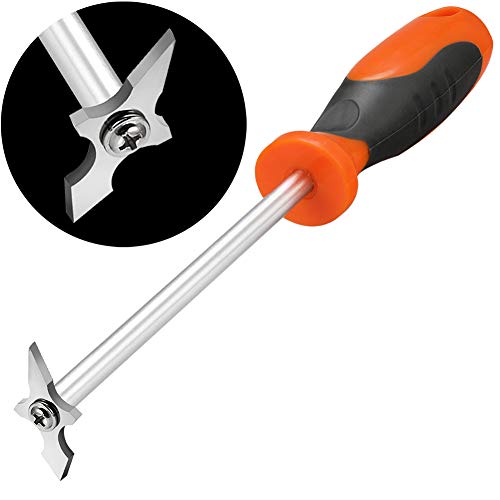
- Grout scraper tool for porcelain tile floors
- Electric grout removal tool oscillating for tile
- Non-abrasive cleaner or a vinegar-based solution (diluted)
- Warm water and microfiber cloths
- Protective gloves and safety goggles


Before You Start
Prepare the area by removing movable furniture and sealing off nearby surfaces to prevent overspray. Test any cleaner in a small, inconspicuous area to ensure it won’t dull the porcelain’s finish. Allow adequate ventilation when using cleaners, especially on grout lines. Time estimate: 30–60 minutes for small areas; 1–2 hours for larger floors with heavy staining. Important: avoid acidic products on natural stone or unsealed grout, and never use abrasive pads that can scratch porcelain.
Step-By-Step: How To Clean Grout Off Porcelain Floor Tiles
- Dry brush the grout lines with a porcelain tile grout cleaning brush to remove loose dirt and debris.
- Mix a mild cleaner or a diluted vinegar solution in warm water and apply to the grout lines with the brush.
- Let the solution sit for 5–10 minutes to loosen embedded grime without soaking the tiles.
- Scrub along the grout lines using firm, even strokes to lift stained grout while protecting the tile surface.
- For stubborn stains, use a grout scraper tool for porcelain tile floors to carefully remove hardened grime without gouging the grout.
- Rinse the area with clean water, wipe with a microfiber cloth, and repeat if necessary for brightening grout.
- For extensive staining, consider an oscillating electric grout removal tool to target deep grout lines, using the lowest setting and moving steadily.
- Dry the floor with a clean towel and ensure the grout lines are completely dry to prevent mold growth.
- Apply a grout sealer after the grout is fully cured to protect against future stains.
- Regular maintenance: sweep or vacuum regularly and wipe spills promptly to keep grout looking fresh.
- Schedule periodic deep cleaning every 6–12 months depending on traffic and staining.
- Document any recurring spots to adjust cleaning frequency or technique as needed.
Troubleshooting
| Symptom | Likely Cause | Fix | Prevention |
|---|---|---|---|
| Grout still looks dingy after cleaning | Tile glaze or sealant wearing unevenly | Reapply grout sealer; consider professional re-sealing | Seal grout after cleaning; use mild cleaners |
| Scratches on porcelain tile | Aggressive scrubbing or metal tools | Switch to non-scratch brushes; stop using metal scrapers | Use soft brushes and non-abrasive pads |
| Streaks or cloudy grout | Residue from cleaner | Rinse thoroughly with clean water and dry completely | Rinse twice with clear water |
| Mold or mildew in grout | Moisture retention in grout lines | Dry thoroughly; apply grout sealant; improve ventilation | Keep area dry; use a mildew-resistant cleaner |
Common Mistakes To Avoid
- Using highly acidic cleaners on porcelain can dull the glaze and weaken grout over time.
- Relying solely on heavy scrubbing with abrasive tools, which can scratch tile surfaces.
- Skipping a full rinse, which leaves residue that attracts more dirt.
- Neglecting to seal grout after cleaning, increasing susceptibility to stains.
Choosing the right tools helps prevent these issues. A dedicated grout brush and a gentle scraper handle most routine jobs, while an oscillating tool should be reserved for heavy, deeply set grout with care.
Tips For Best Results
- Work in small sections to keep grout from drying out between steps.
- Test cleaners on a small area before applying widely.
- Use warm water rather than hot water to avoid warping the grout or tiles.
- Keep the grout lines as vertical as possible to minimize solution runoff into the tile surface.
- Follow up with a grout sealer after the surface dries to protect against future staining.
Call A Professional
Consider calling a professional if grout damage is extensive, if grout is crumbling, or if large areas require deep resealing. Signs you should contact a pro include persistent staining despite cleaning, cracked or missing grout, or uneven tile movement that might indicate underlying substrate issues.
FAQ
Can I use bleach to clean porcelain grout?
Bleach can brighten grout but may discolor some grout colors and is harsh on veneers. If used, dilute properly and test first.
Is a steam cleaner safe for porcelain grout?
Steam can help loosen grime, but it may penetrate and degrade older grout. Use with caution and avoid high heat on loose or cracked grout.
How often should I reseal grout on porcelain tiles?
Most homes benefit from resealing every 1–2 years, depending on traffic and cleaning frequency.
What’s the best technique for edge-to-edge cleaning?
Work in rows, front to back, maintaining a consistent pressure to avoid uneven results.
Can I use baking soda for grout cleaning?
Yes, a paste of baking soda and water can help with mild stains, but avoid placing it on delicate joints for extended periods.
Do I need special sealers for porcelain grout?
Use a grout sealer compatible with cement-based grout and labeled safe for porcelain applications.
What about colored grout?
Colored grout requires careful cleaning to prevent color fading. Choose non-staining cleaners and test first.
Buying Guide
When selecting tools for cleaning grout off porcelain floor tiles, consider size, stiffness of bristles, and compatibility with tile finishes. A porcelain tile grout cleaning brush provides effective scrubbing without scratching. A grout scraper tool for porcelain tile floors helps with stubborn grime without damaging joints. For larger areas, an electric grout removal tool oscillating for tile can speed up the job, but use it on the lowest setting and with caution. Look for ergonomic handles, non-scratch pads, and tools that are easy to clean. Pair tools with a mild cleaner suitable for porcelain and a good grout sealer for ongoing protection. Evaluate the area’s traffic, tile color, and grout type to determine the right combination for maintenance. A well-chosen kit reduces scrubbing time and preserves the tile’s appearance over years of use.
Leave a Reply