How to Remove Blue Stains From Clothes
Blue stains on garments can come from a variety of sources, including dyes from denim, ink, or synthetic colorants. The right approach depends on the stain type and fabric. This guide walks through practical, step-by-step methods used in American households to lift blue stains effectively while preserving fabric integrity.
Quick Answer
Act fast, treat with an oxygen-based stain remover, and blot rather than rub to avoid spreading the stain. For set-in stains, repeat treatment and consider a dedicated fabric stain remover pen for targeted work, followed by a gentle wash. When in doubt, test on an inconspicuous area first.
What You’ll Need
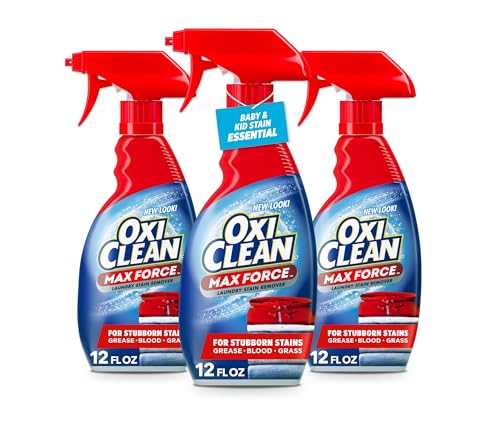
- Oxygen-based stain remover spray for clothes 32 oz
- Stain remover pen for fabrics gel formula
- Fabric stain removal brush with scrub handle for clothes


Before You Start
Identify the fabric type (cotton, polyester, silk, wool) and check the care label. Treat delicate fabrics with extra caution to avoid damage or color fading. Always perform a spot test on an inside seam or hem before applying any chemical cleaner. Prepare a clean, well-lit workspace and have a towel ready to blot moisture. Important safety notes: wear gloves if you have sensitive skin, and keep cleaners away from children and pets. Time estimates: basic treatment 15–30 minutes; longer replications may be needed for stubborn stains.
Step-By-Step: How To Remove Blue Stains From Clothes
- Identify and pretreat: Locate the stained area and gently blot with a clean cloth to remove excess dye. Do not rub, which can embed color deeper into the fibers.
- Rinse with cold water: Run cold water through the back of the stain to push the color out of the fabric rather than through the front, which can smear it.
- Apply oxygen-based cleaner: Spray a light coat of the oxygen-based stain remover spray for clothes 32 oz onto the stain and let it sit for 5–10 minutes. For dense stains, extend to 15 minutes, but avoid letting the product dry on fabric.
- Target with a stain remover pen: If the stain persists, use the stain remover pen for fabrics gel formula on the affected area, following the product’s instructions. This provides a concentrated boost to lift color.
- Gently scrub with a fabric brush: Use the fabric stain removal brush with scrub handle for clothes to lightly agitate the stain in a circular motion. Apply minimal pressure to prevent fiber damage.
- Rinse and launder: Rinse the fabric thoroughly with cold water. Then launder as directed on the care label using the maximum recommended water temperature for the fabric.
- Check before drying: After washing, inspect the area before drying. If the blue stain remains, repeat steps 3–5. Do not put the garment in the dryer until the stain is fully removed, as heat can set the color.
- Air dry or lay flat: Dry the garment flat or hang it after confirming the stain is gone. If the stain reappears, treat again with the same sequence.
- Consider repeat cycles: For tough or set-in blue stains, you may repeat the entire process a second time before committing to a full wash cycle.
- Prevent future staining: To minimize future blue stains, sort laundry by color, use color-safe detergents, and promptly treat any new marks.
- Special fabrics: For silk, wool, or delicate blends, dilute cleaners with water and test colorfastness more aggressively, or seek professional care for persistent stains.
Troubleshooting
The table below helps diagnose common stain issues and fixes them while preventing recurrence.
| Symptom | Likely Cause | Fix | Prevention |
|---|---|---|---|
| Blue stain remains after first wash | Stain set by heat or insufficient pretreatment | Repeat pretreatment with oxidizing cleaner and rewash | Pre-treat early; wash promptly; avoid high heat until stain is gone |
| Color transfer to whites | Nearby colored fabrics shed dye | Isolate colors; wash whites separately; use color catcher sheets | Sort laundry by color groups |
| Fabric fraying after brushing | Too much pressure on delicate fibers | Use lighter pressure; switch to a softer brush | Follow care label; use gentler tools on delicate fabrics |
| Stain returns after drying | Heat fixed pigment during dryer | Air dry or re-treat before re-washing | Avoid tumble drying until stain is fully removed |
Common Mistakes
- Rubbing the stain aggressively, which spreads it and embeds color
- Using hot water on unknown dyes, risking setting the stain
- Skipping a post-wash check and drying the garment with the stain still present
- Assuming a stain is gone after one treatment and not repeating if needed
By avoiding these missteps, stain removal becomes more predictable and safer for fabrics.
Tips For Best Results
- Work from the outside edges toward the center of the stain to prevent it from expanding.
- Test all cleaners on an inconspicuous area first to confirm colorfastness.
- Use cold water whenever possible; warm water can help set some stains.
- After applying cleaners, rinse thoroughly to remove residual chemicals that could affect fabric over time.
Call A Professional
Consider expert help if the garment is labeled “dry clean only,” if the stain covers a large area, or if the fabric is expensive or fragile. Seek professional cleaning services when:
- The stain remains after two complete treatment cycles
- The fabric shows signs of distress, color fading, or dye bleeding
- The item is a specialty fabric such as silk, cashmere, or leather
FAQ
Can blue stains come out with regular laundry detergent?
Yes, many blue stains respond to pretreatment with an oxygen-based cleaner followed by a normal wash, but some stubborn dyes require targeted products like a stain remover pen.
Is it safe to mix stain removers with laundry detergent?
Yes, when used as directed, but avoid mixing multiple cleaners in a single application to prevent chemical reactions or fabric damage.
How long should I let stain removers sit?
Most products perform best within 5–15 minutes. Do not let cleaners dry on the fabric.
What fabrics require extra care?
Delicate fabrics (silk, wool, velvet) need gentler handling and colorfastness testing before any treatment.
What about colorfastness testing?
Apply a small amount of cleaner to an inconspicuous area and observe for color changes or fabric damage for a few minutes.
Buying Guide
When selecting stain-removal products for blue stains, consider size, performance, and compatibility with your wardrobe. For household versatility, a larger bottle of oxygen-based stain remover spray for clothes 32 oz provides broad coverage for frequent stains, while a compact stain remover pen for fabrics gel formula offers precision on spots and cuffs. The fabric stain removal brush with scrub handle for clothes adds a tactile option for stubborn areas. Assess how each tool fits your laundry routine and fabric mix.
Buying Factors To Compare
- Size and coverage: Larger refills reduce trips to the store; balance with storage space and frequency of use.
- Effectiveness on blue stains: Look for oxidizing or color-safe formulas proven to lift dyes without harming fabrics.
- Fabric compatibility: Check care labels and choose products safe for cotton, polyester, blends, and delicate fibers.
- Application controls: A spray delivers broad coverage, while a pen provides targeted spot work; a brush aids scrubbing for heavier stains.
- Fragrance and residue: Opt for low-residue formulas if concerned about odor or residue on dark fabrics.
- Storage and safety: Store out of reach of children; ensure caps are secure to avoid leaks.
- Ease of use: Consider if you prefer quick pretreat, precise spot work, or hands-on brushing for results.
With the right approach and tools, blue stains can be effectively removed while preserving fabric color and texture. Ready to tackle those stains with the right kit and method?
Leave a Reply