How to Clean Tar Off Skin
Tar from roads or industrial sources can cling to skin and clothing, posing a challenge to remove. This guide explains practical, safe methods that work for most skin types and situations in American households and work environments. Readers will learn quick strategies, essential tools, and how to avoid common mistakes when removing tar from skin.
Quick Answer
Start with soap and warm water to soften tar, then use a gentle solvent or oil to break the tar’s grip. If tar remains, switch to a tar-specific removal tool kit and avoid harsh scrubbing. Always rinse thoroughly and moisturize afterward.
What You’ll Need
- Soap and warm water
- Oil-based products or gentle solvents (e.g., mineral oil, baby oil, coconut oil)
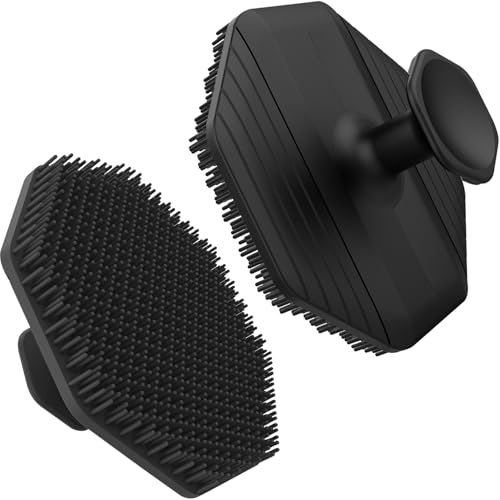
- tar remover brush for skin
- road tar cleanup scrubber for skin
- tar removal scraper for skin
- Soft cloths or towels
- Moisturizer or skin-safe lotion


Before You Start
Tar is sticky and can irritate sensitive skin. Perform a patch test if you have allergies or very sensitive skin. Work in a well‑lit area and protect eyes and mucous membranes by avoiding splashes. Prepare a clean workstation and have a trash receptacle nearby. Time estimate for a typical tar removal session: 5–20 minutes, depending on tar amount and skin area. Be cautious with solvents on broken skin and rinse immediately if irritation occurs.
Step-By-Step: How To Clean Tar Off Skin
- Rinse the area with warm water to soften tar and loosen its grip.
- Wash with mild soap to remove surface oils and dirt before tackling tar again.
- Apply a small amount of oil-based product (such as mineral oil or coconut oil) to loosen tar fibers from the skin.
- Gentlywork tar using a tar remover brush for skin in circular motions until tar begins to lift.
- If tar remains, use the road tar cleanup scrubber for skin to gently abrade the tar without harming the skin.
- For stubborn patches, use a tar removal scraper for skin with careful, light scraping along tar edges to lift it away.
- Rinse thoroughly with warm water, repeating as needed, until no tar residue is visible.
- Pat skin dry and apply a fragrance-free moisturizer to restore the skin’s barrier.
- Assess for any irritation; repeat steps or switch to a gentler method if redness occurs.
- Dispose of used wipes and tools according to local guidelines and sanitize reusable tools after use.
- If tar is on delicate areas (eyes, mouth, mucous membranes) or extensive, seek additional help promptly.
- Follow up with a light skin care routine to prevent dryness and maintain skin health.
Troubleshooting
| Symptom | Likely Cause | Fix | Prevention |
|---|---|---|---|
| Tar doesn’t lift after initial wash | Tar too dry or deeply set | Proceed with oil-based removal, then tar-specific tools | Pre-wet skin and work tar while warm |
| Skin stings or redness | Sensitive skin or solvent irritation | Stop, rinse, apply fragrance-free moisturizer | Test patch first; limit solvent exposure |
| Tar residue remains near hairline | Complex texture or embedded tar | Use gentle scrubbing with tar removal scraper for skin | Keep tar away from hair with protective barrier |
| Dry, flaky skin after cleaning | Overuse of solvents or aggressive scrubbing | Switch to milder cleanser and heavy moisturizer | Moisturize immediately after cleaning |
Common Mistakes
- Rubbing tar aggressively with rough sponges or nails
- Using harsh household solvents not intended for skin
- Skipping moisturization after tar removal
- Ignoring signs of irritation and continuing to scrub
To avoid these issues, stick to soft tools, gentle products, and a calm, patient approach. If tar is widespread or embedded in delicate areas, consider professional guidance.
Tips For Best Results
- Work in a warm environment; heat helps soften tar and makes removal easier.
- Use a two-step approach: initial oil-based loosening, then mechanical removal with tar-specific tools.
- Keep several clean cloths on hand to blot away tar as you work rather than rubbing it back onto skin.
- Rinse frequently to avoid re-depositing tar on freshly cleaned skin.
- Choose fragrance-free soaps and moisturizers to minimize irritation.
Call A Professional
Consider contacting a professional if tar covers large areas, is embedded into sensitive skin, or if removal risks causing skin damage. Seek medical advice for signs of chemical burns, persistent redness, or swelling. Persistent tar exposure in work environments may warrant workplace safety review or protective gear assessment.
FAQ
What’s the safest way to start tar removal on skin?
Begin with warm water and mild soap to loosen tar, then progress to oil-based products and specialized tools as needed.
Can I use household cleaners to remove tar from skin?
Generally avoid strong household cleaners on skin; opt for skin-safe solvents like mineral oil or baby oil and tar-specific tools.
How long does tar removal typically take?
Most sessions take 5–20 minutes, depending on tar amount and skin area.
Is moisturization important after tar removal?
Yes. Applying a fragrance-free moisturizer helps restore the skin’s barrier and prevent dryness.
Are the tar removal tools reusable?
Many are designed for multiple uses; clean and sanitize them after each use per manufacturer instructions.
Should I wear gloves during tar removal?
Gloves protect skin from repeated exposure; however, tar should be removed from skin, so gloves won’t help if tar is already on the skin.
What should I do if tar splashes into the eyes?
Rinse eyes with clean water for several minutes and seek medical attention if irritation persists.
Buying Guide
When choosing tools to help remove tar from skin, consider size, grip, and material. Look for tar remover brushes and scrubbers designed for skin, with soft bristles and non-abrasive textures to avoid irritation. Consider a tar removal scraper for precise edges around dry tar patches. Pay attention to whether tools are easy to clean and sanitize after use. For best results, pair tools with safe, skin-friendly oils and a mild soap. Evaluate how often you expect to encounter tar and select a kit that covers both light and heavy tar scenarios. Finally, ensure the tools feel comfortable in your hand and are durable enough for repeated use in varying environments. Is a compact, dual-tool set the right balance of versatility and portability for your needs? The right combination can make tar cleanup quicker and gentler on the skin.
Leave a Reply