How to Clean the Inside of a Purse
Keeping the interior of a purse clean helps extend its life and maintain a fresh, organized look. This guide walks through practical steps using common tools to remove crumbs, dust, and everyday grime from fabric and lining. It focuses on safe, gentle methods that protect delicate materials while delivering noticeable results.
Quick Answer
Start with a lightweight, handheld vacuum to remove loose debris, then use a soft bristle brush for fabric interiors, followed by a microfiber cleaning cloth to wipe down surfaces. For stubborn stains, apply a minimal amount of mild cleaning solution to a cloth and spot-clean, avoiding excess moisture.
What You’ll Need
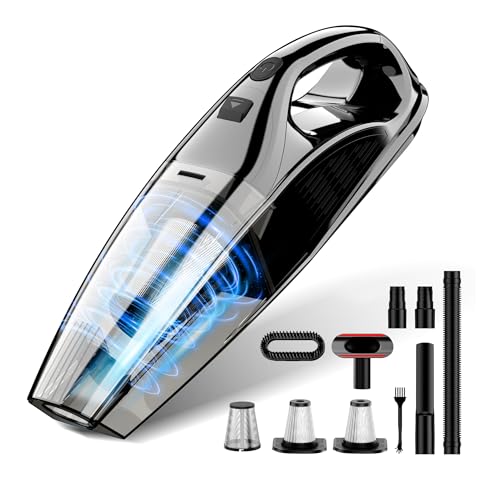
- mini handheld vacuum for purses and bags — ideal for quick debris removal from linings and corners
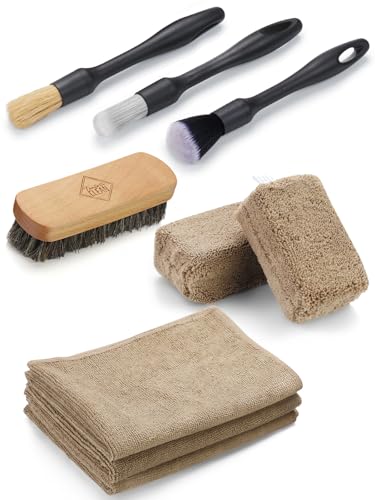
- soft bristle cleaning brush for fabric purses interior — loosens dirt without damaging fabric
- microfiber cleaning cloth set for purse interior — soft, lint-free finish for wiping and drying

Before You Start
Prepare a clean workspace and turn the purse inside out if possible to access all pockets. Empty the contents and shake out loose items before cleaning. Test any cleaning method on a discreet area of the lining to avoid discoloration. Allow ample time for air-drying if you use damp materials. Safety note: avoid saturating the lining; moisture can seep into seams and hardware. Estimated setup and cleaning time: 10–25 minutes depending on size and condition.
Step-By-Step: How To Clean The Inside Of A Purse
- Remove all items from the purse and turn it inside out if the design allows. This exposes the full interior for cleaning.
- Use the mini handheld vacuum for purses and bags to remove loose crumbs, dust, and debris from the lining, pockets, and seams.
- Gently run the soft bristle cleaning brush for fabric purses interior along the lining to loosen embedded dirt and pet hair without abrading fabric.
- Wipe surfaces with a microfiber cleaning cloth set for purse interior, using light, circular motions. Use a dry cloth first to pick up loosened particles, then a slightly damp cloth if needed.
- Spot-clean any stains with a small amount of mild detergent or fabric cleaner applied to a cloth, not directly to the lining. Blot gently; avoid scrubbing hard.
- Pay attention to pockets, corners, and the zipper area. Use a cotton swab lightly dampened for tight crevices, then wipe clean with a microfiber cloth.
- Allow the interior to air-dry completely before reloading contents. If possible, leave the purse open in a well-ventilated area to speed drying.
- Once dry, reinsert packing tissue or a silica gel packet to help maintain moisture control and freshness.
- Reassemble the purse contents and perform a quick interior sweep with the vacuum to remove any residual particles after reorganization.
- Regular maintenance schedule: quick vacuuming once a week and a deeper clean every 1–3 months depending on usage.
- Optional enhancement: use microfiber cleaning cloths with a very light mist of water for a final wipe to freshen the interior’s surface.
Troubleshooting
| Symptom | Likely Cause | Fix | Prevention |
|---|---|---|---|
| Stains persist after cleaning | Daintier fabric or set-in stains | Spot-clean with a gentle fabric cleaner; consider professional cleaning for delicate materials | Test cleaners on hidden areas; address stains early |
| Moisture lingering after cleaning | Over-wetting the lining | Air-dry fully; use a desiccant like silica gel in the purse | Avoid over-saturation; squeeze out excess moisture from cloths |
| Fibers fraying or shedding | Excessive brushing | Use softer brushing and shorter strokes | Regular brushing with a light touch |
| Unpleasant odor remains | Moisture and trapped debris | Fresh air-dry, use mild fabric freshener on cloth, or baking soda in a sachet (not directly on fabric) | Keep purse dry and clean between uses |
Common Mistakes To Avoid
- Using strong solvents or bleach on fabric linings
- Over-wetting the interior or saturating seams
- Brushing too aggressively and damaging delicate fibers
- Neglecting pockets and zippers, which harbor debris
Tips For Best Results
- Perform a quick vacuum daily to prevent buildup inside the purse.
- Store purses with liners or tissue paper to maintain shape and reduce dust collection.
- Keep a small cleaning kit in a dedicated pouch for on-the-go maintenance.
- Rotate cleaning tools to prevent cross-contamination between fabrics of different colors or textures.
Call A Professional
Seek professional cleaning if the purse features sensitive materials (such as silk, leather, or ornate embellishments), persistent stains, or mold growth. Stop cleaning and consult a pro if any odor intensifies or if you notice color bleeding.
FAQ
Can I clean the inside of a leather purse?
Leather interiors require gentle, non-penetrating cleaning. Use a dry microfiber cloth or a leather-safe cleaner applied to a cloth; avoid soaking the lining.
What should I do if the lining color fades after cleaning?
Test cleaners first on a hidden area; discontinue use if fading occurs and consult professional cleaning for color care.
How often should I clean the purse interior?
For regular use, a quick weekly vacuum and a deeper cleaning every 1–3 months works well; adjust frequency based on usage and environment.
Is it safe to use water to clean fabric purses?
Use minimal moisture. A slightly damp cloth is safe for many fabrics, but avoid soaking and always air-dry completely.
What if the purse has multiple linings or colors?
Clean sections separately with color-safe methods and avoid transferring dye by using clean cloths for each area.
Should I clean the exterior while cleaning the interior?
Cleaning the interior first is usually best to prevent transferring dirt to clean surfaces; you can wipe the exterior after interior cleaning if needed.
Buying Guide
Choosing the right tools to clean the inside of a purse hinges on fabric type, typical use, and maintenance goals. Consider the size of the purse and how accessible the interior is, as smaller bags may benefit from compact tools, while larger bags might require more thorough methods. Noise level and energy use are minor factors for handheld devices, but portability matters for on-the-go cleaning. Look for a versatile kit that includes a mini handheld vacuum, a soft-bristle brush, and microfiber cloths for a complete interior cleaning solution. Pay attention to compatibility with fabric types and safe cleaning agents. Think about storage: a compact kit fits easily in a vanity drawer or travel bag, making routine upkeep effortless.
Key buying factors to compare
- <bSize and portability: Compact tools fit inside bags for quick touch-ups.
- <bNoise level and battery life for handheld devices
- <bEnergy efficiency or battery performance for cordless options
- <bControls and ease of use with simple on/off and attachments
- <bMaterials compatibility with fabric linings and delicate fabrics
- <bIncluded accessories such as soft brushes and microfiber cloths
- <bMaintenance and cleaning ease for long-term use
Would you like to see a side-by-side comparison of models that fit these criteria? Consider your typical purse type, cleaning frequency, and storage space to pick a kit that keeps your interiors fresh and presentable.
Leave a Reply