How to Clean Bluestone Patio: A Practical Guide
Bluestone patios add timeless appeal to outdoor spaces, but keeping the stone looking pristine requires the right approach and tools. This guide covers proven steps to safely remove dirt, algae, and mineral stains from bluestone, while protecting its natural texture and finish.
Using the correct cleaners and accessories helps prevent etching, fading, or surface wear. The methods here are suitable for most residential bluestone installations and can be adapted for different patio layouts and maintenance routines.
Quick Answer
For routine cleaning, sweep away debris, mix a mild, pH-neutral stone cleaner with water, and scrub with a stiff nylon brush to lift grime without scratching. For tougher stains, use a stone cleaning brush attachment for a pressure washer on a gentle setting, then rinse thoroughly. Avoid harsh acidic cleaners that can damage bluestone’s surface.
What You’ll Need
The following tools and supplies are recommended for most cleaning tasks. Gather these before you begin to streamline the process.
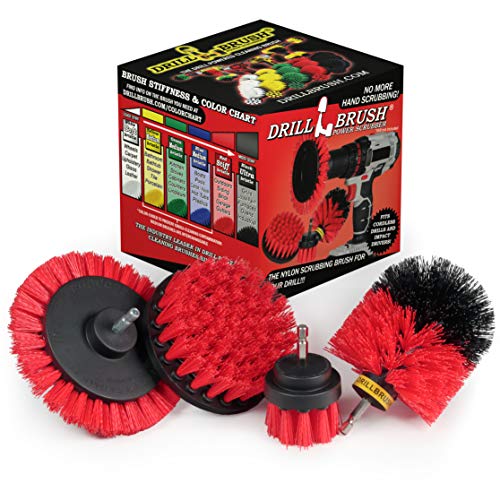
- Stiff nylon brush for outdoor bluestone cleaning patio
- Ph-neutral stone cleaner for bluestone patio 1 gallon
- Stone cleaning brush attachment for pressure washer
- Optional: sprayer for even cleaner application


Before You Start
Assess the patio surface for loose or chipped stones and plan your cleaning path to minimize wet areas near doors. Always test a small, inconspicuous area first to confirm the cleaner does not discolor or etch the stone. Wear protective gloves and eye protection, and ensure pets and children are kept away during cleaning. Time estimates vary with patio size and stain severity, but most light cleaning sessions take 30–60 minutes, with additional time for stubborn stains.
Critical cautions: never use acidic or caustic cleaners on bluestone, as they can etch or dull the surface. Avoid metal brushes that can scratch the stone. If you are unsure about a product’s suitability, consult the manufacturer’s guidelines or a professional.
Step-By-Step: How To Clean Bluestone Patio
- Clear the area: remove furniture, planters, and debris to expose the full surface.
- Dry sweep the patio: remove loose dirt and leaves to prevent mud formation during washing.
- Apply cleaner: spray or distribute a ph-neutral stone cleaner for bluestone patio 1 gallon according to label directions, focusing on stained spots.
- Let it dwell: allow the cleaner to sit briefly (as directed) to break down grime without drying completely.
- Scrub with a stiff nylon brush: using the stiff nylon brush for outdoor bluestone cleaning patio, scrub in circular motions to lift embedded dirt.
- Rinse thoroughly: use a garden hose or low-pressure rinse to flush away loosened soil and cleaner residue.
- For entrenched stains: attach the stone cleaning brush attachment for pressure washer to a washer and use a light, even pass across the surface. Keep the nozzle at a safe distance to avoid gouging the stone.
- Rinse again: ensure all cleaner and debris are washed away, and allow the surface to air-dry completely before reassembling furniture.
- Spot check and repeat if necessary: re-treat stubborn areas with a repeat of steps 3–7, but avoid over-wetting the joints, which can promote efflorescence.
- Seal or protect (optional): once dry, consider applying a breathable sealer if you routinely battle staining or if the stone is in a high-traffic area. Follow product directions carefully.
- Maintenance plan: establish a seasonal cleaning routine using light cleaning and periodic deep cleans to maintain color and texture.
- Cleanup: rinse brushes and tools with water and store them safely for next use.
Troubleshooting
| Symptom | Likely Cause | Fix | Prevention |
|---|---|---|---|
| Dull or cloudy surface after cleaning | Residual cleaner or mineral deposits | Rinse thoroughly; re-wash with clean water | Rinse promptly after cleaning; use a pH-neutral cleaner |
| Streaks or uneven coloration | Uneven application or drying | Reapply cleaner evenly and rinse evenly | Apply in shade and brush consistently |
| Efflorescence (white deposits) on joints | Moisture movement from concrete base | Ensure joints are dry before sealing; wipe deposits | Improve drainage around the patio |
| Scratches or etching after cleaning | Harsh cleaners or metal brushes | Use pH-neutral cleaners and nylon brushes | Avoid metal tools on stone |
Common Mistakes
- Using acidic cleaners on bluestone, which can etch and dull the surface.
- Scrubbing with metal brushes that leave scratch marks or remove sealant.
- Over-wetting joints, which can cause staining or glaze issues when the surface dries.
- Not testing cleaners on a small area before full application.
Tips For Best Results
- Test any cleaner on a hidden corner before applying widely to prevent surprises.
- Work in shade or during cooler parts of the day to prevent quick drying and streaks.
- Carry a small brush or sponge to tackle stains as soon as you notice them for easier removal.
- Follow up with periodic light maintenance to keep the blue-gray tone vibrant and uniform.
Call A Professional
Consider a professional if the bluestone shows severe staining, deep pitting, or efflorescence that recurs after cleaning. Stop and consult a pro if the surface appears very porous, if you are uncertain about the cleaning products, or if you plan to reseal the stone. Signs to seek help include extensive cracking, loose stones, or mortar joint damage that could compromise safety and longevity.
FAQ
What is the safest cleaner for bluestone?
A ph-neutral stone cleaner for bluestone patio is typically the safest option, as it cleans without harsh chemicals that can damage the stone.
Can I use a pressure washer on bluestone?
Yes, but use a stone cleaning brush attachment for pressure washer with a low-pressure setting to avoid surface damage.
Do I need to seal bluestone after cleaning?
Sealing is optional and depends on usage and staining tendencies. If chosen, use a breathable sealant designed for natural stones and follow manufacturer guidance.
How often should I clean a bluestone patio?
Light cleaning every few months is typical, with deeper cleanings every 1–2 years, depending on climate and exposure to moisture or staining agents.
What should I avoid when cleaning bluestone?
Avoid acidic cleaners, abrasive tools, and high-pressure washing that can damage the surface.
Is there a special method for growing algae on bluestone?
Algae can be treated with a neutral cleaner and a thorough rinse; for persistent growth, consider a gentle, plant-safe algaecide following product instructions.
Can I clean with household vinegar?
Household vinegar is acidic and not recommended for regular bluestone cleaning, as it may etch some stone finishes over time.
Buying Guide
When choosing cleaning products and tools for bluestone, consider these buying factors to optimize performance and safeguard the stone’s appearance.
- <bSize and coverage: For larger patios, select bulk quantities of cleaner and a brush with wide scrubbing heads to speed up work without sacrificing reach.
- <bNoise level and equipment type: A standard garden hose and manual brushes are quiet options, while a pressure washer with a cleaning attachment can speed up heavy jobs but may be louder.
- <bEnergy efficiency and sustainability: Choose concentrates you dilute on-site to reduce waste and packaging, and prefer biodegradable, pH-neutral formulas where available.
- <bControls and ease of use: Look for simple spray bottles or low-odor cleaners with clear instructions and quick-dwell times for minimal guesswork.
- <bPlacement and surface: For shaded areas or near doors, select gentler cleaners and non-abrasive tools to reduce streaks and residue near entrances.
Want a balanced approach? Start with a basic kit that includes a stiff nylon brush and a pH-neutral cleaner, then add a pressure-washer attachment for tougher jobs if needed. How will you tailor the setup to your patio’s size and climate? With these tools, you’ll maintain the natural beauty of bluestone while keeping outdoor spaces inviting and safe.
Leave a Reply