How to Get Rid of Green Tint in Hair
Green tint in hair is a common problem for swimmers, sun-washed color results, or exposure to minerals in tap water. The goal is to neutralize the copper and mineral buildup without damaging the cuticle. This guide outlines practical steps, tools, and tips to restore natural tones using consumer-friendly products and safe routines.
Quick Answer
Identify the copper or mineral buildup, then use a chelating or clarifying approach to remove the tint. Start with a gentle chelating treatment, followed by a clarifying wash if needed, and consider a targeted copper stain remover kit for stubborn tones. Always patch test and adjust frequency to avoid over-processing.
What You’ll Need
- Chelating Shampoo Copper Removal For Green Hair
- Clarifying Shampoo Chlorine Removal Green Hair Tint
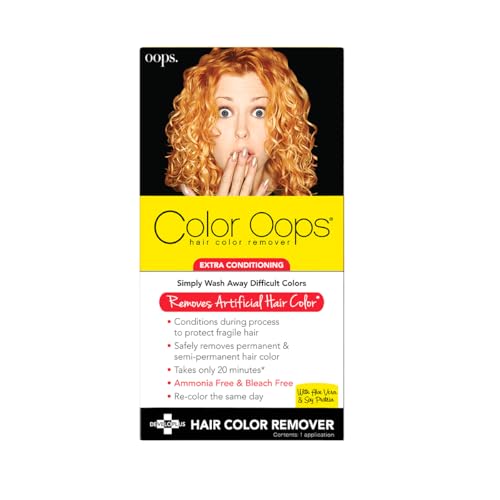
- Hair Color Remover Kit Copper Stain Green Hair
- Second rinse and conditioner for color balance
- Protector gloves and a timer or clock


Before You Start
Before beginning, perform a strand test to gauge how your hair responds to chelating or clarifying products. Wear gloves to protect skin and avoid eye contact. Work in a well-lit bathroom and have a timer handy to monitor contact times. Limit exposure times and follow product instructions precisely to prevent excessive dehydration or lift. If the green tint persists after a first treatment, wait at least 24–48 hours before trying a second pass and always condition deeply afterward.
Step-By-Step: How To Get Rid Of Green Tint In Hair
- Wet hair thoroughly and apply a small amount of chelating shampoo designed for copper removal. Massage gently into the scalp and through the lengths.
- Leave the product on for the time specified by the manufacturer, then rinse completely with lukewarm water.
- If the tint remains, repeat once or proceed to a clarifying wash using a chlorine-removal formula. Massage well and rinse well.
- Apply a color-safe conditioner to restore moisture and help close the cuticle after mineral removal.
- If copper-related staining persists, use a hair color remover kit designed for copper stains. Follow the kit instructions for application, timing, and thorough rinsing.
- Perform a final wash with a gentle pH-balanced shampoo. Rinse and repeat as needed, then apply a deep conditioner or a bond-building treatment if your hair feels dry.
- Inspect the tone in natural light and avoid direct heat for 24–48 hours while color settles. If any green tinge remains, consider repeating the process with adjusted timings or seeking professional advice.
- Maintain color health with a weekly clarifying session spaced apart from color treatments and protect hair from chlorine by pre-wetting and using a protective leave-in conditioner before swimming.
- For ongoing pool exposure, use a swimmer’s rinse after every swim and consider wearing a swimming cap to minimize mineral contact.
- Schedule a follow-up conditioning routine and avoid overuse of chelating formulas, which can strip natural oils if used too frequently.
- Track results with photos to assess progress and determine if a professional consultation is needed for persistent tint.
Troubleshooting
| Symptom | Likely Cause | Fix | Prevention |
|---|---|---|---|
| Persistent green tint after treatment | Copper/mineral buildup is deeper | Repeat treatment with precise timing; try a targeted copper stain remover kit | Limit mineral exposure; use protective rinses after swimming |
| Hair feels overly dry after chelating steps | Over-processing or repeated chelation | Switch to a hydrating conditioner and space out future treatments | Follow recommended frequency; use bond-repair products |
| Color shifts to uneven tones | Uneven product deposition or preexisting undertones | Even application and strand-by-strand checks; complete conditioning | Test strand and adjust timing per strand |
| Recurrent tint after swimming | Chlorine/minerals re-exposed | Use swimmer’s rinse and protective products before swimming | Regular maintenance with clarifying wash |
Common Mistakes
- Using chelating or clarifying products too frequently, which can strip moisture
- Skipping a strand test or failing to follow timing instructions
- Mixing multiple treatments in one session without rinsing and conditioning
- Ignoring the need for deep conditioning after mineral removal
Tips For Best Results
- Always start with the gentlest option and monitor reaction times carefully
- Pre-wet hair before applying products to ensure even distribution
- Pair mineral-removing steps with a rich conditioner or bond-repair treatment
- Protect color-treated hair by using color-safe shampoos and UV protection
- Consider a brief post-swim rinse routine to minimize chlorine contact
Call A Professional
Seek professional help if:
– The tint persists after multiple at-home treatments
– Hair shows signs of excessive dryness, breakage, or scalp irritation
– You have recently colored hair and want to avoid color lift or damage
FAQ
Can chelating shampoo remove green tint quickly?
Concrete results vary, but chelating shampoos are often a first-line option for mineral-related green tint and can reduce buildup with proper use.
Is clarifying shampoo effective for chlorine-related green tint?
Yes, clarifying formulas can help remove chlorine-related tint and mineral residues that contribute to green tones after swimming.
Should I use a hair color remover kit for copper stain?
For stubborn copper stains, a hair color remover kit designed for copper may help lift the tint while preserving overall color health.
How often should I treat green tint without damaging hair?
Limit treatments to every 1–2 weeks, and prioritize conditioning and moisture recovery between sessions.
What can prevent green tint from returning?
Pre-wet hair before swimming, use swimmer’s rinse, and apply protective products to reduce mineral deposition on the hair shaft.
Are there preventive steps after removing tint?
Yes—follow up with a bond-repair conditioner, hydrate weekly, and minimize heat styling to preserve the results.
Buying Guide
When choosing products to address green tint, consider size, formulation, and compatibility with your hair type. The primary goals are mineral removal without over-drying and maintaining healthy color. Below are key buying factors to help American consumers compare options confidently.
- <bSize and packaging: Choose sizes that fit your usage pattern; larger bottles may offer better value for frequent swimmers or hard water exposure.
- <bSoothing and conditioning balance: Look for post-treatment conditioners or bond-repair formulas to restore moisture.
- <bFormulation and safety: Chelating shampoos should balance mineral removal with scalp gentleness; avoid products with harsh sulfates for daily wearers.
- <bCompatibility with hair color: If your hair is color-treated, prefer color-safe or color-protecting options to minimize color fading.
- <bUsage flexibility: Some kits combine removal with color-safe conditioning; others focus on mineral removal alone—choose based on your routine.
- <bPlacement and ease of use: Consider whether you prefer a salon-like wash experience at home or a quick in-shower treatment.
- <bMaintenance compatibility: Aftercare products (shampoos, conditioners, leave-ins) should be compatible with mineral-removal steps.
- <bBudget and availability: Availability in local drugstores or online retailers matters for timely access to chelating or clarifying products.
Dealing with a green tint in hair can be manageable with a few targeted steps and the right products. If the tint is tied to environmental factors like hard water or pool chlorine, a routine that emphasizes mineral removal, moisture restoration, and sun/heat protection will typically yield the best long-term results. Would you like help choosing between the specific product options listed above based on your hair type and swimming habits?
Leave a Reply