How to Remove Chemical Smells in Your Home
Chemical odors can linger after renovations, smoke exposure, or handling strong cleaning agents. Quick, practical steps reduce odor intensity, protect indoor air quality, and help create a more comfortable living space. This guide explains a clear, do-it-yourself approach using common tools and proven odor-control products.
Readers will learn a practical sequence: assess the source, deploy immediate odor control, and apply longer-term solutions. The aim is to minimize exposure, improve air freshness, and prevent odor rebound without complicated equipment or expensive fixes.
Quick Answer
To rapidly reduce chemical smells, ventilate thoroughly, trap odors with an air purifier with activated carbon filter for chemical odors, and use an activated charcoal odor absorber bag chemical smell remover for targeted spots. For ongoing control, apply a VOC odor neutralizer spray for chemical smell rooms and replace or refresh filters as needed.
What You’ll Need
- Air purifier with activated carbon filter for chemical odors
- Activated charcoal odor absorber bag chemical smell remover
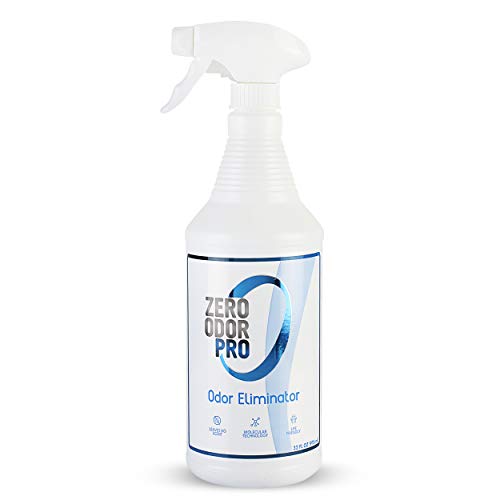
- VOC odor neutralizer spray for chemical smell rooms
- Open windows or portable fans for cross-ventilation
- Cleaning supplies (soap, microfiber cloths, mild cleaners)


Before You Start
Before addressing odors, identify the odor source if possible. Open doors and windows to create cross-ventilation, and move people or pets away from the area during initial airing. Plan for a few hours of active airing and a few days of ongoing control. Time estimates: 2–6 hours for initial reduction; 1–7 days for noticeable improvement depending on the source.
Safety notes: Avoid mixing cleaners with ammonia or bleach, as chemical reactions can release harmful gases. When using a VOC spray, test a hidden area first to ensure surfaces won’t discolor. If there is mold growth or persistent chemical exposure, consider professional assessment.
Step-By-Step: How To Remove Chemical Smells
- Identify the source and remove or seal it if possible to prevent ongoing emission.
- Open all available windows and doors to create cross-flow; place fans to move air toward exterior exits.
- Set up an air purifier with activated carbon filter for chemical odors in the affected area and keep it running continuously.
- Place activated charcoal odor absorber bag chemical smell remover near odor hotspots or air return vents to manage localized hotspots.
- Wipe down hard surfaces with a mild cleaner to remove residual chemical residues that can off-gas into the air.
- Spray a VOC odor neutralizer spray for chemical smell rooms on fabrics, furnishings, and non-porous surfaces as directed by the product.
- Reposition air purifiers and fans as airflow changes to maximize odor capture without re-circulating stale air.
- Replace or refresh filters in the air purifier according to the manufacturer’s schedule to maintain effectiveness.
- Hold off heavy repainting or new finishes until odors have diminished substantially to avoid trapping new chemicals behind coatings.
- Reassess daily; extend ventilation and odor-control measures if smells persist beyond a few days.
- For persistent odors around textiles, consider laundering fabrics or using fabric-safe odor treatments.
- Evaluate whether a temporary relocation of occupants is needed for extreme sensitivity or exposure concerns.
Troubleshooting
| Symptom | Likely Cause | Fix | Prevention |
|---|---|---|---|
| Odor lingers after airing | Source still emitting or trapped in porous materials | Keep purifier running; consider additional charcoal bags | Contain sources promptly; avoid reintroducing sources |
| Purifier seems ineffective | Filter saturation or incorrect model for odors | Replace or upgrade to a higher-capacity unit with activated carbon | Regular maintenance and correct placement |
| Fabrics retain smell | Porous textiles absorb chemicals | Wash fabrics or use odor-neutralizing spray designed for textiles | Ventilate during and after cleaning |
| Surface discoloration after spray | Harsh chemical or sensitive finish | Test first; use gentler products or spot-test | Choose products labeled for the surface type |
Common Mistakes
- Relying on a single product instead of a multi-step strategy
- Blocking air flow with heavy furniture or closed doors
- Using sprays on delicate fabrics without testing
- Ignoring smaller odor sources that can re-emerge
Tips For Best Results
Maximize odor removal by combining methods: run the air purifier with activated carbon continuously, use activated charcoal odor absorber bags near problem areas, and refresh VOC odor neutralizer sprays as directed. Keep humidity moderate; very high humidity can affect VOC emissions and property materials differently. Regularly monitor odor levels and adjust ventilation, purifier placement, and product use accordingly. For larger spaces, consider multiple purifiers positioned at opposite ends to create a steady current of clean air.
Call A Professional
When should a pro be contacted? If chemical smells persist after several days of intensified ventilation and odor-control products, or if occupants experience headaches, dizziness, or respiratory irritation, seek professional assessment. Trace sources that may require containment, specialized remediation, or building diagnostics. Also consult a pro if you suspect mold growth, chemical spills, or structural concerns that could impact indoor air quality.
FAQ
Will an air purifier remove chemical odors completely?
Air purifiers with activated carbon filters can significantly reduce odors, but complete elimination depends on the source and exposure duration.
Can I use multiple odor-control products together?
Yes, but follow label directions and avoid over-saturation on fabrics and surfaces to prevent residues.
How long does it take to notice improvement?
Many spaces show improvement within hours; full normalization may take days for persistent sources.
Is it safe to use charcoal bags around pets?
Activated charcoal bags are generally pet-friendly, but keep them out of reach of curious animals and replace when needed.
Buying Guide
Choosing the right odor-control setup involves balancing room size, odor intensity, and how quickly you need results. Start with a compact airflow plan for small rooms and scale up for larger spaces. Consider the following key factors:
- Size and coverage: Match the purifier’s CADR and charcoal capacity to the room square footage.
- Noise level: Look for units labeled for quiet operation if the space is used for living or sleeping.
- Energy efficiency: Select energy-efficient models to minimize ongoing power use during extended airing periods.
- Controls and maintenance: Simple controls and clear filter-change indicators help sustain performance.
- Placement: Position purifiers away from direct drafts and near odor hotspots for best results.
- Complementary products: Use activated charcoal odor absorber bags for localized spots and VOC odor neutralizer spray for fabrics and surfaces.
- Placement strategy: In open layouts, stagger units to avoid dead zones and promote even air movement.
With these factors in mind, you can tailor a practical, effective plan for American homes dealing with chemical smells. Ready to start? A thoughtful combination of ventilation, charcoal-based odor absorbers, and targeted sprays often yields the best long-term results without heavy intervention.
Leave a Reply