How to Get Rid of Gua Sha Marks Safely and Effectively
Gua sha marks can appear after facial massage sessions, especially when using pressure or certain tools. While these red or purple streaks are typically temporary, many people seek ways to fade them quickly and safely. This guide provides practical steps, tools, and tips tailored for American skincare routines to help reduce visible marks and support faster recovery.
Quick Answer
To reduce gua sha marks quickly, gently massage with cool tools, use soothing serums and moisturizers, stay hydrated, and avoid excessive rubbing. If marks persist or worsen, consider adjusting pressure and frequency and consult a dermatologist if needed.
What You’ll Need
- ice roller for facial bruising and redness
- jade roller gua sha set for facial massage
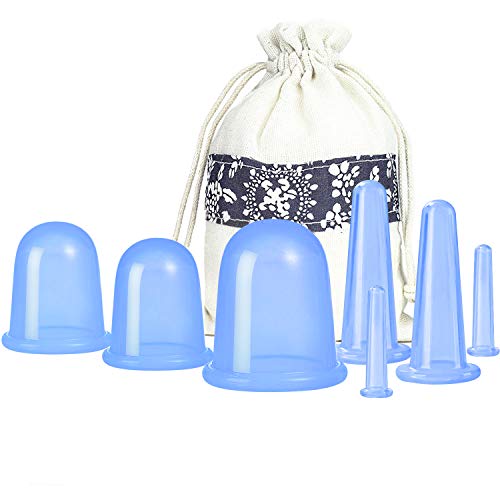
- facial cupping massage set for puffiness and post-bruise recovery


Before You Start
Before using any tools to address gua sha marks, ensure your skin is clean and free of active breakouts. Begin with a gentle touch and acclimate your skin to cold therapy to minimize irritation. Time-saving tip: limit sessions to 5–10 minutes and avoid massaging over broken skin or inflamed areas. Never apply excessive pressure, especially on delicate under-eye skin. Hydrate well and consider a soothing serum with calming ingredients such as niacinamide or panthenol to support repair.
Step-By-Step: How To Get Rid Of Gua Sha Marks
- Cool the skin: start with a ice roller for facial bruising and redness or chilled tools to constrict blood vessels and reduce inflammation.
- Gentle cleansing: wash with a mild cleanser to remove oils that could hinder soothing ingredients from absorbing.
- Apply a soothing serum: use a hydrating serum or sheet mask with calming ingredients; avoid actives that may irritate sensitive areas.
- Light massage technique: employ a jade roller gua sha set for facial massage with very light strokes toward the center of the face, avoiding heavy dragging on bruised areas.
- Focus on lifting motion: work in upward and outward motions along the cheeks, jawline, and forehead to support lymphatic drainage without overworking damaged skin.
- Incorporate gentle cupping advice: if using a facial cupping massage set for puffiness and post-bruise recovery, apply minimal suction and stop if you feel discomfort or increased redness.
- Hydration and barrier support: after massage, seal the skin with a fragrance-free moisturizer to support the skin barrier and reduce transmission of heat or friction to sensitive areas.
- Avoid sun exposure: use broad-spectrum SPF during the day to prevent hyperpigmentation while marks fade.
- Frequency adjustment: reduce or pause gua sha sessions temporarily if marks reappear, then reintroduce at lower intensity.
- Track progress: take a photo daily or every other day to monitor fading and adjust techniques accordingly.
- Optional night routine: consider pairing with a calming retinoid or ceramide-rich cream once the skin has healed enough, but only under professional guidance if uncertain about irritation risk.
- Consult timing: if marks persist beyond a few days to a week or if there is significant swelling, consult a skincare professional for individualized guidance.
Troubleshooting
| Symptom | Likely Cause | Fix | Prevention |
|---|---|---|---|
| Redness persists after 2–3 days | Excessive pressure or overuse of tools | Reduce pressure, shorten sessions, pause tool use | Use light pressure, especially on sensitive areas |
| Bruising appears and darkens | Cold therapy not used or skin is fragile | Apply cool packs before/after sessions; avoid strong suction | Patch-test tools on less sensitive areas first |
| Stinging or burning during application | Active skincare ingredients on irritated skin | Remove actives; use soothing, fragrance-free products | Allow skin to recover before reintroducing actives |
| Marks lasting beyond a week | Skin sensitivity or underlying conditions | Consult a dermatologist for tailored care | Follow a conservative routine and avoid aggressive techniques |
Common Mistakes
- Using hot tools or heat near bruised areas, which can worsen redness.
- Applying heavy pressure during gua sha or cupping sessions.
- Skipping cleansing or using abrasive products on marked skin.
- Ignoring skin signals and continuing routines despite pain or worsening color.
Tips For Best Results
- Keep tools clean and cold; bacteria and warmth can irritate healing skin.
- Combine cold therapy with hydration for better comfort and recovery.
- Use gentle tapping motions on bruised areas to encourage drainage without forcing movement.
- Pair with a soothing, fragrance-free moisturizer to support the skin barrier.
- Maintain consistent sleep and hydration, which can influence skin healing and turnover.
Call A Professional
Call a dermatologist or licensed esthetician if you notice persistent swelling, severe bruising, signs of infection (pus, warmth, increasing pain), or if you have a history of facial trauma. Seek professional advice before attempting more aggressive treatments or if you have skin conditions such as rosacea or eczema.
FAQ
How long do gua sha marks typically last?
Most marks fade within a few days to a week, depending on skin sensitivity, treatment intensity, and overall healing.
Can I use gua sha tools on bruised skin?
Only with extreme caution; avoid active bruising and use very light pressure and cool tools.
Should I avoid facial cupping after bruising?
Pause cupping if there is active bruising or swelling; resume at reduced intensity when skin has healed.
What products help fading gua sha marks?
Hydrating serums, soothing moisturizers, and ingredients that support barrier repair can aid recovery; avoid irritants during healing.
Is sun exposure bad for gua sha marks?
Yes, sun exposure can worsen redness and pigmentation; use sunscreen to protect healing skin.
Do lighting and camera angles affect appearance of marks?
Lighting can accentuate color; track progress under consistent conditions to accurately assess fading.
Buying Guide
When choosing tools to address gua sha marks, consider size, material, and ease of use. Look for products designed for sensitive skin and cold therapy to minimize irritation. While evaluating options, compare how each tool supports cooling, massaging, and lymphatic drainage. Questions to ask include: Will the tool be easy to maneuver around cheeks and under the eyes? Is the material durable and hygienic? Does the set include a jade roller or cupping components that suit your routine? A well-rounded choice combines gentle massaging action with effective cooling to help reduce marks and support skin recovery.
Buying Guide: Key Buying Factors
- Size and shape: Choose tools that fit comfortably on facial contours; smaller edges help with delicate areas.
- Material: Jade, rose quartz, or silicone-based tools should be body-safe and easy to clean.
- Cooling capability: Built-in cooling features or easy refrigeration can enhance comfort and results.
- Ease of cleaning: Tools that are dishwasher-safe or simple to sanitize reduce infection risk.
- Controls and ergonomics: Handles and grips should be comfortable for long sessions without slipping.
- Noise and energy efficiency: Manual tools are quiet and energy-free, while electronic options should have safety features and low power consumption.
- Placement and storage: Lightweight sets that store neatly in a vanity or travel pouch are convenient for regular use.
- Compatibility with skincare routines: Choose tools compatible with your current products and any sensitive skin needs.
Leave a Reply