How to Get Rid of Golden Hair After Bleaching
Bleached hair can sometimes take on a warm, golden tone that many want to neutralize. This guide explains practical methods to reduce brassiness, boost cool tones, and maintain healthy hair. It combines proven toning strategies with at-home products designed for bleached hair.
Readers will learn step-by-step routines, safety considerations, and when to seek professional help. The focus is on effective, accessible solutions for American households using common salon-grade products sold in the U.S. market.
Quick Answer
To counteract golden tones after bleaching: use a purple or blue violet toning product to neutralize warmth, space out processing to prevent damage, and follow with a color-depositing conditioner to maintain cool undertones between treatments. Regular conditioning is essential to keep hair healthy during the toning process.
What You’ll Need
- Purple toning shampoo brassy blonde – helps neutralize yellow and orange hues on bleached hair
- Hair toner kit for bleached hair demi-permanent – provides controlled toning without permanent color
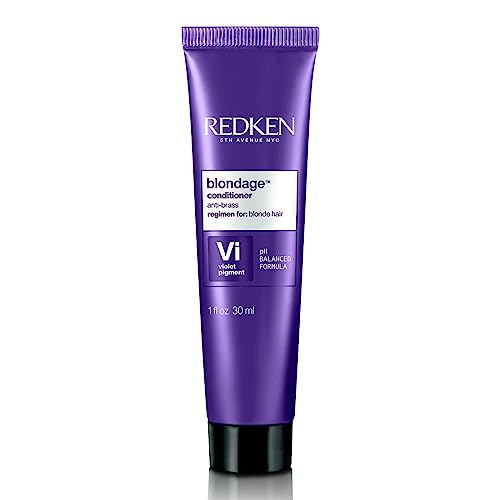
- Blue violet color-depositing conditioner for blonde – boosts cool tones and maintains brightness


Before You Start
Before beginning any toning routine, assess your hair’s condition. Bleached strands can be more fragile, so avoid over-processing. Do a strand test to gauge processing time and potential color lift. Plan sessions with at least 24–72 hours between treatments if your hair shows signs of damage or porosity. Important cautions include avoiding hot tools immediately after chemical processing and using color-safe, sulfate-free products to preserve tone.
Time estimate: 30–60 minutes for a single toner or color-depositing treatment, plus 10–20 minutes for conditioning. If you notice severe breakage, scalp irritation, or excessive softness, pause and consult a professional.
Step-By-Step: How To Get Rid Of Golden Hair After Bleaching
- Start with clean hair. Wash with a gentle, sulfate-free shampoo to remove buildup, then towel-dry to damp but not dripping wet.
- Apply a purple toning shampoo brassy blonde to saturate the mid-lengths and ends. Leave on for 3–5 minutes if your hair is moderately yellow; extend only if you are very tolerant of toning, then rinse thoroughly.
- Mix or prepare the hair toner kit for bleached hair demi-permanent according to the instructions. Use a color-safe applicator brush to apply evenly from roots to ends.
- Process for the recommended time. Check the tone frequently to avoid over-purpleing. Rinse with cool water when you reach the desired neutrality.
- Apply the blue violet color-depositing conditioner for blonde to lock in cooler tones and provide ongoing color balance. Leave on as directed, usually 3–5 minutes, then rinse well.
- Condition deeply with a bond-supporting or moisture-rich conditioner. Bleached hair benefits from hydration to reduce brittleness after toning.
- Air-dry or use a cool setting on a hair dryer. Limit heat exposure to protect cuticles and prevent re-brassiness.
- Maintain a regular routine with tinted products. Alternate between purple-toning shampoos and color-depositing conditioners to keep brassiness at bay.
- Schedule a follow-up toning session if yellow tones begin to re-appear. Toning intervals depend on hair porosity and sun exposure.
- Keep sun exposure in mind. Use UV protectant sprays or hats to guard bleached hair from brass-inducing sunlight and chlorine.
- Track hair changes and adjust products. If the color shifts too cool or too gray, dial back product usage or switch to milder toning formulas.
- Seek professional help if you notice heavy dye buildup or inconsistent color across the head. A stylist can custom-tune toning and advise on maintenance.
Troubleshooting
| Symptom | Likely Cause | Fix | Prevention |
|---|---|---|---|
| Hair looks muddy or overly cool | Over-toning or deposit buildup | Rinse with a clarifying conditioner and re-tone with a milder formula | Limit processing time; test strand first |
| Yellow or orange returns quickly | High porosity or sun exposure | Use UV-protective products and deeper conditioning | Use periodic toning and color-depositing conditioner |
| Dry, brittle feel after toning | Over-processing or inadequate conditioning | Switch to bond-building conditioner and reduce processing duration | Pre-tone conditioning and post-tone moisture masks |
| Color fades unevenly | Uneven porosity or application | Reapply evenly with a precise brush and prep with a porosity-match conditioner | Section hair during application; use root-to-end approach |
Common Mistakes
- Overusing purple toners or blue-violet conditioners, leading to a purple cast
- Applying toner directly to unwashed, product-laden hair
- Skipping a strand test or processing too long
- Using hot tools immediately after toning or bleaching
Tips For Best Results
- schedule toning every 4–6 weeks depending on growth and brassiness levels
- Choose conditioner formulas that target blondes and are safe for bleached hair
- Pair toning with weekly deep-conditioning masks to preserve moisture
- Keep a consistent routine and adjust usage with seasonal sun exposure
- Protect hair from chlorine by rinsing before swimming and applying a protective leave-in
Call A Professional
Consider a professional if you notice severe breakage, uneven color, or persistent brassiness despite at-home toning. Stop if scalp irritation occurs, or if you see signs of chemical damage such as excessive shedding or brittle strands. A stylist can assess porosity, calibrate toning formulas, and provide a tailored maintenance plan.
FAQ
Can I use purple shampoo every day to remove golden tones?
Daily use can lead to over-toning. Use it 1–2 times per week or as directed by product instructions, and alternate with a gentle conditioner.
Will toners permanently change my hair color?
Most demipermanent toners wash out over time. They deposit color rather than permanently altering the base level, so maintenance is required.
How long should I leave toning products on my hair?
Follow the product’s instructions; strand tests help determine the optimal time to avoid over-toning.
What if I have very damaged bleached hair?
Focus on repairing bonds and moisture before toning. A professional can recommend a gentler approach and a suitable maintenance plan.
Are there natural alternatives to toning?
Natural methods are less predictable and can cause uneven results. For consistent tone, dedicated toning products are recommended.
How often should I re-ton my hair for best results?
Typically every 4–6 weeks, varying with growth and brassiness, but follow your hair’s response and product guidelines.
Buying Guide
When choosing products for reducing gold tones in bleached hair, consider size and packaging, scent, and ease of use. Look for color-depositing formulas labeled for blondes and a gentle, fragrance-free option if sensitivities exist. Check compatibility with at-home color and ensure the product is pH-balanced to protect cuticles. Consider how the products fit your routine: whether you prefer a weekly treatment, a daily cleanser, or a conditioner-focused regimen. For best results, select a kit that includes both a toner and a color-depositing conditioner designed for bleached hair. Also assess whether the formula offers protective attributes like UV filters or bond-building ingredients to preserve hair health.
Key buying factors include:
- Size and value – select sizes that fit your planned maintenance schedule
- Noise level and ease of use – user-friendly applications help consistency
- Energy efficiency – not directly applicable to hair products, but consider travel-friendly, multi-use packaging
- Controls – clear timing on processing and visible color indicators
- Placement – plan where to store products (bathroom cabinet, vanity) for easy access
Leave a Reply