How to Get Rid of Lines on Chest: Practical Guide
The lines and wrinkles on the chest can be caused by aging, sun exposure, and lifestyle factors. A consistent routine combining gentle skincare, non-invasive devices, and sun protection can help improve chest skin texture over time. This guide explains practical steps using safe, at-home options suitable for most adults.
Readers should proceed with patience, as results from non-surgical approaches typically take several weeks to months. Always patch-test products and follow device instructions to minimize irritation.
Quick Answer
Best quick plan: start with a gentle exfoliation routine, protect skin from the sun, and introduce non-invasive treatments like a derma roller, RF microcurrent device, and LED red light therapy device on alternate days. Consistency is key, and combine with a targeted moisturizer or serum for hydration.
What You’ll Need
- Derma roller 1.0mm chest wrinkles for collagen stimulation and texture improvement
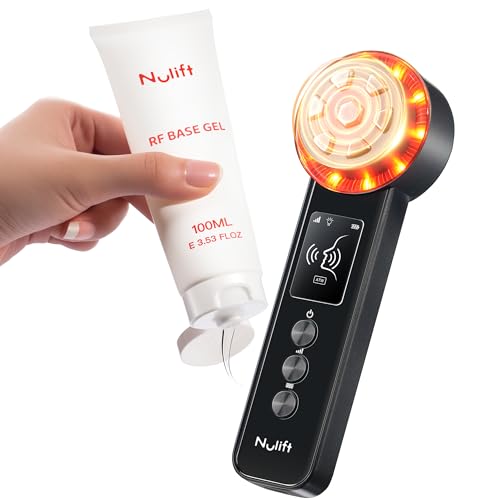
- RF microcurrent skin tightening device for chest to lift and firm the area
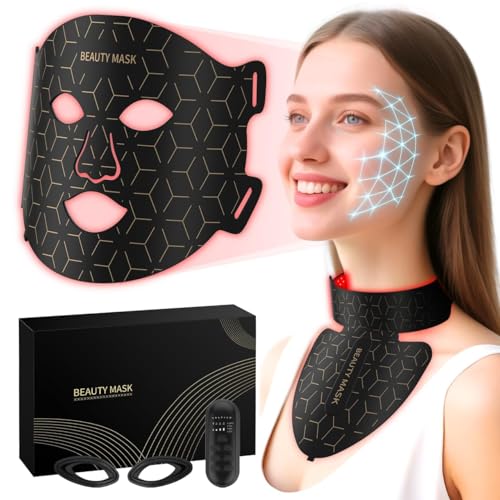
- LED red light therapy device chest wrinkles to support skin healing and tone

Before You Start
Before beginning, ensure the chest area is clean and free of active acne or open wounds. Perform a patch test with any new product to check for irritation. Plan for sessions five to six days per week, with at least one rest day. Avoid using aggressive scrubs or high-intensity devices on sensitive skin.
Expected time to see initial improvements varies, typically several weeks. If you have a history of skin conditions, consult a dermatologist before starting or adjusting any at-home regimen.
Step-By-Step: How To Get Rid Of Chest Lines
- Begin with a gentle cleanse to remove oils and debris from the chest area.
- Apply a light, hydrating serum or moisturizer to improve skin barrier function.
- Use the derma roller 1.0mm chest wrinkles once or twice weekly on clean skin, following manufacturer guidance and avoiding harsh pressure.
- Follow derma rolling with a soothing serum or peptide-based formula to aid post-treatment recovery.
- On alternate days, operate the RF microcurrent skin tightening device for chest according to the device manual.
- Use the LED red light therapy device chest wrinkles after cleansing and before moisturizing, following recommended exposure times.
- Protect the treated area with a broad-spectrum sunscreen daily, even indoors, to prevent UV-induced damage.
- Maintain a consistent schedule for at least 8–12 weeks to assess progress.
- Track changes with photos every 2–4 weeks to monitor improvements and adjust frequency if needed.
- Combine with a healthy lifestyle: hydration, balanced diet, and adequate sleep support skin resilience.
- Avoid over-treating the same area; give skin rest days to recover and minimize irritation.
- Review device settings and skin response; reduce intensity if sensitivity occurs.
Troubleshooting
| Symptom | Likely Cause | Fix | Prevention |
|---|---|---|---|
| Redness that lasts >24 hours | Overuse or too high intensity | Pause use; apply soothing moisturizer; consult if persists | Follow recommended schedules and device guidelines |
| Dry or flaky skin after treatment | Insufficient hydration or harsh products | Switch to a richer moisturizer and gentle cleansers | Moisturize daily; avoid irritants |
| No noticeable improvement after 8 weeks | Inconsistent routine or expectation gap | Reassess regimen, increase consistency, or consult a professional | Set realistic goals and track progress |
| Skin sensitivity during LED therapy | Prolonged exposure or sensitive skin | Shorten sessions; skip if irritation occurs | Test new devices on a small area first |
Common Mistakes
- Skipping patch tests and jumping into treatments
- Overdoing exfoliation or device sessions, leading to irritation
- Neglecting sunscreen and sun protection on chest skin
- Ignoring hydration and barrier-supportive products
- Rushing results without a long-term, sustainable plan
Tips For Best Results
- Alternate devices to avoid overuse of a single method on the same area
- Follow a consistent routine rather than sporadic sessions
- Use fragrance-free, hypoallergenic products to minimize irritation
- Combine non-invasive devices with a moisturizer containing ceramides and peptides
- Document progress with photos and measurements to stay motivated
Call A Professional
Signs that indicate professional evaluation is wise include persistent redness, swelling, or tenderness beyond a few days, or if self-treatment yields no improvement after several months. If you have a history of skin conditions, are pregnant, or take photosensitive medications, consult a dermatologist or licensed medical aesthetician before starting or adjusting any regimen.
FAQ
Is it safe to use a derma roller on the chest?
Yes, when used correctly with a 1.0mm needle length and proper hygiene, it can stimulate collagen; always follow manufacturer guidance and patch-test first.
How often should I use LED red light therapy for chest wrinkles?
Typically 2–5 times per week, depending on device instructions and skin sensitivity; start with shorter sessions and adjust gradually.
Do RF microcurrent devices really tighten chest skin?
They can improve tone and firmness with regular use, but results vary by individual and should be combined with a skin-supportive routine.
When should I seek a professional for chest lines?
If there is persistent irritation, scarring, or no improvement after several months of at-home treatments, seek a dermatologist or licensed aesthetic professional.
Can lifestyle changes enhance results?
Yes, adequate hydration, sun protection, a balanced diet, and regular sleep support skin health and help maximize improvements.
Buying Guide
When choosing devices for chest lines, consider size and placement of the area you will treat, noise level, and energy efficiency. Look for devices with adjustable settings and clear safety instructions. A combination approach—derma rolling, RF microcurrent, and LED therapy—often yields best results, provided each tool is used as directed. Ensure device compatibility with your skin type and any existing skin concerns. Check for reputable brands with clear warranties and accessible customer support.
Leave a Reply