How to Clean a Trumpet: A Practical Guide
Cleaning a trumpet is essential for maintaining tone, response, and valve longevity. With the right tools and a steady routine, players can keep their instrument in peak playing condition. This guide walks through safe methods, common pitfalls, and practical tips for both beginners and seasoned players.
Quick Answer
Overall approach: dismantle the trumpet, clean each component with appropriate brushes and cloths, rinse, dry thoroughly, and reassemble. Use a dedicated trumpet cleaning kit for routine maintenance and a mouthpiece cleaning brush for daily sanitation.
What You’ll Need
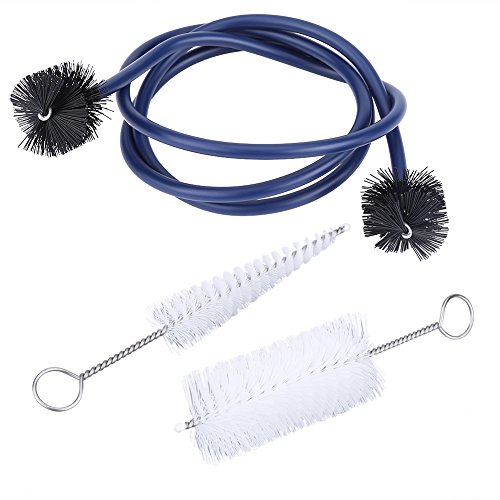
- Trumpet cleaning kit snake brush
- Polishing cloth for brass instruments
- Valve casing brush
- Trumpet cleaning kit accessories (joints, rods, handles)
- Mouthpiece cleaning brush
- Trumpet cleaning tool set


Before You Start
Before disassembly, remove the mouthpiece and ensure the instrument is empty. Work in a clean, well-lit area to avoid misplacing small parts. Use lukewarm water for rinsing; hot water can damage slides and seals. Protect the finish with a soft polishing cloth and avoid harsh chemicals. Expect 20–40 minutes for a full clean, depending on debris buildup and the player’s routine.
Step-By-Step: How To Clean A Trumpet
- Disassemble the trumpet, keeping track of all small parts and the order in which they belong.
- Rinse the main tubes with lukewarm water to loosen saliva and oils; avoid soaking felt valves unless your kit specifies.
- Use the snake brush from the trumpet cleaning kit to gently scrub the interior of each slide tube and bore, pushing with consistent, light strokes.
- Clean valve casings with a dedicated valve casing brush to remove buildup without bending valve stems.
- Scrub the exterior with a soft polishing cloth to remove fingerprints and oxidation; apply a small amount of brass-safe polish if needed, then buff.
- Clean the mouthpiece separately using a mouthpiece cleaning brush; rinse thoroughly and dry before re-insertion.
- Rinse all components again with clean water, drain, and allow to dry completely on a soft towel or rack.
- Lubricate valve slides and corks as recommended by the manufacturer; reassemble in the reverse order of disassembly.
- Inspect for any sticking valves or loose slides during a test play, and address with appropriate oil or slide grease if necessary.
- Store the trumpet in a stable, climate-controlled case to prevent corrosion and moisture buildup.
Troubleshooting
| Symptom | Likely Cause | Fix | Prevention |
|---|---|---|---|
| Sticky valves | Oil buildup or dirt | Clean, apply fresh valve oil | Regular cleaning after practice, avoid over-oiling |
| Breathy or fuzzy tone | Dirt in slides or mouthpipe | Re-clean slides and mouthpiece | Daily swab after playing |
| Water in leadpipe | Excess condensation | Dry all parts thoroughly; use longer drying time | Keep case ventilated and dry |
| Sticking slides | Wax or corrosion | Remove residue, apply appropriate lubricant | Seasonal maintenance schedule |
Common Mistakes
- Using abrasive cloths or harsh chemicals that damage brass finishes
- Soaking valves or using hot water on sensitive joints
- Rushing the drying process, leaving moisture that promotes corrosion
- Neglecting the mouthpiece, which can harbor bacteria and debris
Tips For Best Results
- Establish a regular cleaning routine after practice sessions to prevent buildup.
- Use a soft brush only; avoid metal scrubbers on the exterior finishes.
- Dry every component thoroughly before reassembly to prevent moisture-related issues.
- Label and organize parts during disassembly to simplify reassembly.
Call A Professional
Seek professional help if the trumpet exhibits persistent mechanical issues, cracks, bent parts, or if cleaning does not resolve tonal problems. Stop using it if a valve is severely sticking or if an exhaust leak is suspected.
FAQ
How often should I clean my trumpet?
Clean the interior weekly for active players and lightly maintain with a wipe-down after practice; a full deep-clean every few months is recommended for steady instruments.
Can I use household cleaners on a trumpet?
Avoid household cleaners; use brass-safe cleaners and the tools specifically designed for trumpet care.
Is it okay to use toothpaste to polish brass?
No. Toothpaste can be abrasive. Use a soft polishing cloth with brass-safe polish if needed.
What if the valve oil isn’t helping with sticking valves?
Clean the valve casings thoroughly, inspect for wear, and consider replacing o-rings or corks as needed; persistent issues may require professional servicing.
Should I clean the mouthpiece every day?
Daily cleaning is beneficial; rinse after playing and clean more deeply weekly to prevent bacteria buildup.
Buying Guide
When selecting a trumpet cleaning kit and accessories, consider factors that affect maintenance ease and performance. Key buying factors include:
- <bSize and compatibility: Choose a kit that covers valve casings, slides, and tubes of standard trumpet dimensions.
- <bTools and versatility: Look for a complete set including snake brushes, valve casing brushes, and a mouthpiece brush for thorough care.
- <bQuality of materials: Opt for non-abrasive brushes and soft polishing cloths to protect finishes.
- <bEase of use: Tools should be clearly labeled and easy to handle during routine cleanings.
- <bMaintenance plan: A kit that supports both routine wipes and deeper cleans helps establish a sustainable schedule.
- <bStorage and organization: A compact case or organizer helps keep parts together and prevents loss.
For most players, a trusted trumpet cleaning kit with snake brushes and a dedicated valve casing brush, combined with a mouthpiece cleaning brush, provides a practical balance of coverage and ease. Consider a set that offers multiple brush sizes and a soft polishing cloth for a streamlined maintenance routine. If you play in varied environments or face heavy condensation, you may want to add extra drying cloths and a gentle brass polish suitable for frequently cleaned finishes.
Leave a Reply