How to Clean a Tea Kettle Exterior Safely and Effectively
Cleaning a tea kettle’s exterior keeps it looking new and can extend its life, especially if it’s frequently exposed to humidity or outdoor weather. This guide focuses on gentle, kitchen-safe methods that work well on outdoor kettles made of stainless steel and other common finishes.
Outside cleaning also helps prevent staining, rust spots, and mineral deposits that can affect the kettle’s appearance and performance. The following steps show how to clean the exterior without damaging the surface or leaving behind harmful residues.
Quick Answer
Use a nylon-bristle brush and a gentle cleaner to avoid scratching. For mineral buildup, apply a kettle exterior descaler or limescale remover spray, then wipe with a microfiber cloth. Finish with a stainless steel cleaner to restore shine and protect the surface.
What You’ll Need
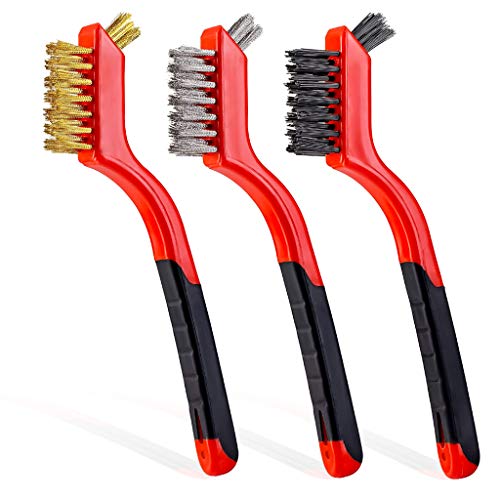
- Stainless steel kettle exterior scrub brush nylon bristles
- Kettle exterior descaler limescale remover spray
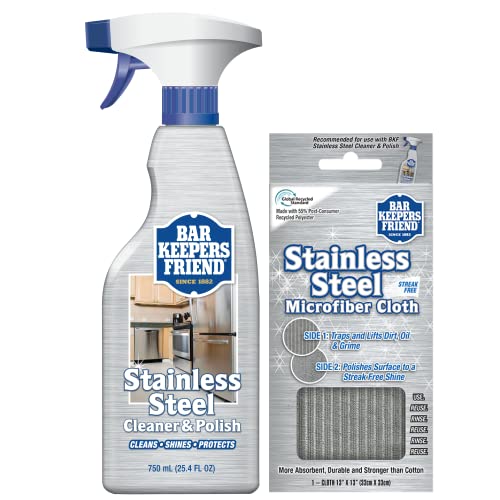
- Bar Keepers Friend stainless steel cleaner liquid spray 12 oz

Before You Start
Prepare a clean workspace on a dry surface. If the kettle is still warm, allow it to cool completely before cleaning. Use protective gloves to avoid skin irritation from cleaners. Work in a shaded area if possible to prevent premature drying of cleaners. Never use abrasive pads on delicate finishes and avoid soaking the kettle exterior unless the product label allows it.
Time estimate: 15–25 minutes for a typical exterior clean and 30–45 minutes if heavy descaling is required. If the kettle is part of outdoor cooking gear, consider cleaning after a rainstorm or heavy mineral buildup to minimize repeated staining.
Step-By-Step: How To Clean A Tea Kettle Exterior
- Attach the nylon bristle brush to your hand or use a soft cloth for delicate areas. Lightly wet the kettle exterior with warm water.
- Apply a small amount of Bar Keepers Friend stainless steel cleaner or a compatible cleaner to a damp cloth or directly to the brush, following the product instructions.
- Gently scrub in circular motions, focusing on any stains, fingerprints, or tarnish. Avoid aggressive scrubbing that could scratch the finish.
- If mineral deposits are present, spray a kettle exterior descaler limescale remover spray on the affected area and let it sit for the recommended contact time. Wipe away with a clean cloth.
- Rinse the exterior with clean water to remove cleaner residues. Wipe dry with a soft microfiber towel to prevent water spots.
- For stubborn spots, reapply a small amount of cleaner and repeat the scrubbing, then rinse again.
- Inspect for any remaining stains and repeat as needed. Dry thoroughly to prevent watermarks during outdoor use.
- Apply a thin coat of cleaner or a protective spray if the manufacturer recommends it, then buff with a dry cloth to restore shine.
- Finish by wiping along the direction of the metal grain to maintain a uniform look across the exterior.
- Store the kettle in a dry, shaded area when not in use to minimize chalky buildup or weathering from exposure.
- Optionally, perform a light monthly wipe-down routine to keep the finish looking polished without buildup.
Troubleshooting
| Symptom | Likely Cause | Fix | Prevention |
|---|---|---|---|
| Dull or streaky finish after cleaning | Residue from cleaner not fully rinsed | Rinse thoroughly, wipe with microfiber | Rinse immediately after cleaning |
| Stubborn brown spots | Mineral deposits or rust | Apply descaler spray, scrub, rinse | Clean regularly to prevent buildup |
| Scratches appearing on surface | Using abrasive tools | Switch to nylon bristles and soft cloth | Avoid metal scrubbers |
| Streaks after drying | Hard water spots | Dry with microfiber cloth, buff gently | Dry thoroughly after each clean |
Common Mistakes
- Using abrasive pads or steel wool on metal finishes
- Saturating the exterior with water or cleaners if the design is not water-resistant
- Ignoring manufacturer recommendations for cleaners or finishes
- Neglecting to dry the surface after cleaning, leading to water spots
Tips For Best Results
- Test cleaner on a small inconspicuous area before full application to ensure compatibility.
- Use warm water rather than hot to avoid warping or damage to coatings.
- Apply cleaners with a soft cloth or nylon brush to preserve the finish.
- Buff the exterior after drying to restore a streak-free shine.
- Schedule routine cleanings to prevent heavy buildup and maintain reflective surfaces.
Call A Professional
Seek professional help if the kettle shows signs of significant corrosion, pitting, or if exterior coatings appear to be peeling. If you notice steam or leakage from the exterior seams during cleaning, stop and contact a repair technician to assess the risk of damage or safety concerns.
FAQ
Can I clean a kettle exterior with ordinary dish soap?
Yes, a mild dish soap with warm water can work for light cleaning, but for mineral buildup or tough stains, use a dedicated stainless steel cleaner or descaler as directed.
Is Bar Keepers Friend safe on all kettle finishes?
Bar Keepers Friend is generally safe on stainless steel, but test on a small area first and follow label instructions to avoid damage on special coatings.
How often should I clean an outdoor kettle?
Clean it monthly or after heavy use or weather exposure to prevent mineral buildup and dullness.
Should I rinse after every cleaning?
Yes, rinse thoroughly to remove cleaner residues, then dry completely to prevent spots and streaks.
Can I use vinegar to descale?
Vinegar can work for some descaling tasks, but use it cautiously and in a diluted form, testing first on a small area.
Buying Guide
When selecting cleaning supplies for a tea kettle exterior, consider factors that affect performance, safety, and upkeep in American households. The right tools help maintain shine and prevent weather-related wear for outdoor use.
- Size and portability: Choose a cleaner and brush size comfortable to handle without overreaching around the kettle’s curves.
- Noise level: Buffing and brushing with nylon bristles should be quiet; avoid noisy tools that can cause unwanted vibrations indoors or on patios.
- Energy efficiency: Cleaning products do not consume energy, but choose efficient, easy-to-rinse formulas to reduce water usage.
- Controls: Opt for spray bottles or pumps with precise application to avoid wasting product and to control exposure.
- Placement: Store cleaners in a cool, dry place away from sunlight to preserve effectiveness and prevent chemical degradation.
For outdoor kettles, pairing a gentle, non-abrasive cleaner with a nylon-bristle brush offers a reliable, safe approach. Consider keeping a small set of dedicated towels for drying and buffing to maintain a polished exterior. If you have stainless steel finishes, a purpose-made stainless steel cleaner can restore luster without harming protective coatings. Ready access to the right tools makes routine maintenance straightforward and efficient, even during seasonal outdoor cleaning sessions.
Leave a Reply