How to Clean Breville Tea Maker
Regular cleaning helps maintain the Breville Tea Maker’s performance, flavor extraction, and longevity. This guide provides practical steps that fit typical home use and uses common descaling solutions to remove mineral buildup.
By following a simple routine, you can prevent scale, residue, and odors from affecting your tea’s taste and the machine’s efficiency. The instructions emphasize safe handling and equipment compatibility to keep your brewer in top condition.
Quick Answer
Run a Descaling cycle with a Breville descaler kit or a suitable descaling solution, then clean the removable parts with warm soapy water. Use a cleaning brush to reach tight areas, rinse thoroughly, and dry before the next use.
What You’ll Need
- Breville Tea Maker descaler kit
- Descaling solution for Breville tea maker
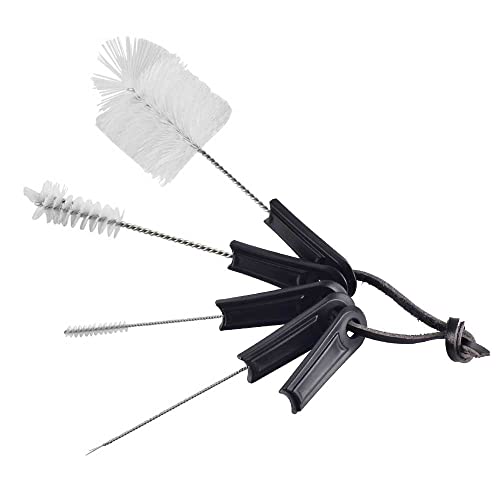
- Breville tea maker cleaning brush and tool set


Before You Start
Unplug the unit and allow it to cool before cleaning. Remove the water reservoir and tea jug, wash them by hand or in the dishwasher if indicated by the manufacturer. Use non-abrasive sponges and mild detergent to avoid scratching seals or coatings. Do not use bleach or acidic cleaners that could damage internal components. Estimate 20–40 minutes for a complete cleaning when including descaling and drying time.
Always ensure the area is dry after cleaning, as water exposure to electrical components can create hazards. If you notice severe mineral buildup or any component that doesn’t function after cleaning, stop and consult the manual or a service professional.
Step-By-Step: How To Clean Breville Tea Maker
- Detach and wash all removable parts: reservoir, tea jug, filter basket, and any lids using warm, soapy water.
- Prepare the descaling solution according to the product instructions or use the Breville descaler kit. Do not mix with other cleaners unless specified.
- Fill the water reservoir with the descaling solution and water mix as directed, then place the reservoir back on the unit.
- Run the Tea Maker through a full descaling cycle, pausing as needed to allow the solution to contact mineral buildup in the hot zones.
- Once the descaling cycle completes, rinse the reservoir and run multiple rinses with clean water to remove any residual solution.
- Use the cleaning brush and tool set to scrub the filter basket, spout, and interior surfaces where scale tends to accumulate.
- Reassemble the machine and perform a couple of plain water brews to ensure all cleaning agents are flushed out.
- Inspect seals and gaskets for wear; replace any damaged parts as needed to maintain a proper seal and safe operation.
- Dry all parts thoroughly before reassembly and store the unit in a clean, dry area.
- Schedule routine cleanings every 1–3 months depending on water hardness and usage to prevent buildup.
- Keep a regular cleaning log to track when descaling and part maintenance were performed.
Troubleshooting
| Symptom | Likely Cause | Fix | Prevention |
|---|---|---|---|
| Tea tastes stale or metallic | Mineral buildup or stale water | Run descaling cycle and flush with clean water | Clean monthly, use filtered water |
| Weak tea brew | Clogged filter basket or scale in brew chamber | Thoroughly clean basket and interior with brush | Regular descaling schedule |
| Water not dispensing | Blockage in spout or pump | Inspect and clear with brush; ensure reservoir is seated | Rinse after each use to prevent buildup |
| Leakage around seals | Worn gasket or loose components | Check seals and tighten or replace as needed | Handle with care during cleaning; replace worn parts |
| Cycle not starting | Electrical or lid not properly closed | Ensure lid is properly engaged and plug is secure | Keep area dry and avoid obstructing sensors |
Common Mistakes
- Using harsh or abrasive cleaners that can damage the interior lining
- Not rinsing thoroughly after descaling, leaving residual taste
- Neglecting to clean the filter basket and spout regularly
- Ignoring mineral buildup in hard water regions, leading to more frequent cleanings
Tips For Best Results
- Use filtered or soft water to reduce mineral buildup and extend clean cycles
- Follow the descaler kit instructions precisely for best descaling efficiency
- Establish a regular cleaning routine aligned with your usage and water hardness
- Store the Tea Maker in a clean, dry spot to prevent dust and mold growth
Call A Professional
Stop and contact a professional if you notice persistent leaks, a failure to operate after cleaning, cracks in the reservoir, or abnormal smells that don’t disappear after several descaling cycles. Do not attempt to disassemble electrical components beyond the manufacturer’s guidance.
FAQ
How often should I descale my Breville Tea Maker?
Most users benefit from descaling every 1–3 months, depending on water hardness and usage.
Can I use a household descaler instead of the Breville kit?
Yes, as long as the product is labeled safe for coffee or tea brewers and compatible with the Breville materials.
Is it safe to put parts in the dishwasher?
Only if the manufacturer’s instructions specify dishwasher safety for those parts.
What if the tea tastes like cleaning agents?
Rinse thoroughly with multiple cycles of clean water until the taste is clear.
Should I clean the exterior often?
Yes, wipe the exterior with a damp cloth to remove fingerprints and residue, but avoid harsh cleaners.
Buying Guide
When choosing accessories for cleaning a Breville Tea Maker, consider durability, compatibility, and ease of use. Look for a dedicated descaler kit designed for Breville models and a cleaning brush set that can access narrow channels and the filter basket. Consider whether you prefer a fragrance-free or lightly scented descaler, especially if you brew delicate teas. Evaluate how well the kit’s parts fit your model’s reservoir and lid, and whether the brushes are safe for nonstick or glass surfaces. A concise cleaning routine that fits your schedule will help maintain flavor quality and appliance lifespan.
Buying Guide: Key Factors to Consider
- Size and capacity: Ensure the descaler kit and brushes fit the Breville Tea Maker’s reservoir and filter areas.
- Descaling effectiveness: Look for formulations optimized for mineral buildup common in hard water areas.
- Ease of use: Kits with clear instructions and simple brush access save time during cleanings.
- Safety and materials: Choose non-abrasive brushes and food-safe descalers compatible with glass and BPA-free plastics.
- Maintenance frequency: Consider how often you brew tea to determine your cleaning cadence.
- Noise and effort: Some brushes and tools require light scrubbing; assess your tolerance for manual cleaning.
- Placement and storage: Keep cleaning supplies in a cabinet near the machine for quick access.
Leave a Reply