How to Get Rid of Black Birds Effectively and Humanely
Black birds around homes and gardens can become a nuisance when they roost on ledges, destroy mulch, or scatter seeds. This guide provides practical, humane methods tailored for American outdoor spaces, combining deterrents and prevention to minimize visits from black birds.
Quick Answer
Combine physical barriers with deterrents for best results. Install predator deterrents or reflectors, use small-volume ultrasonic devices designed for outdoor use, and seal access points or roosting ledges. Regularly monitor and adjust techniques to adapt to seasonal patterns.
What You’ll Need
- Solar powered ultrasonic bird deterrent outdoor device for daylight and quiet evenings
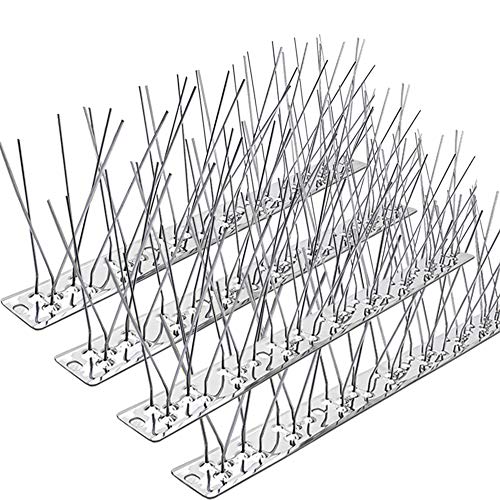
- Stainless steel bird spikes anti-roosting strip ledge to block ledges and rails
- Polyethylene bird netting garden patio to protect plants for garden beds and fruit trees
- Weatherproof tape or velcro for temporary placements
- Garden stakes or clips for mounting deterrents


Before You Start
Assess the area to identify where black birds roost, nest, or forage. Mark roosting ledges, branches, and fence tops that need protection. Plan to apply deterrents in stages to avoid stressing nearby wildlife. Safety note: use ladders safely, wear gloves when handling netting, and avoid trapping or harming birds. Time estimates vary by property size but plan 2–6 hours for setup and initial adjustment, with ongoing maintenance.
Step-By-Step: How To Get Rid Of Black Birds
- Survey your property to pinpoint primary roosts: ledges, windowsills, and pergolas are common hotspots.
- Install solar powered ultrasonic bird deterrent outdoor units at strategic angles to cover roosting areas without emitting excessive noise near living spaces.
- Mount stainless steel bird spikes anti-roosting strip ledge along ledges and railings where birds land. Ensure edges are smooth to prevent damage to birds and property.
- Place polyethylene bird netting garden patio to protect plants over vulnerable shrubs, decorative trees, or newly planted garden beds to prevent access to food sources.
- Combine visual deterrents: install reflective surfaces, wind chimes, or bird scare tape on exposed roosts to disrupt perching comfort.
- Space deterrents over time to avoid birds habituating to a single solution; rotate devices weekly if possible.
- Check weatherproofing monthly: tighten mounts, replace worn netting, and test ultrasonic devices for range.
- Maintain clean edges and reduce attractants: promptly remove spilled seed, compost attractants, and uncovered trash bins.
- Train pets or humans to occasionally patrol roosting zones to reinforce deterrence during peak seasons.
- Monitor progress for 2–3 weeks; if activity remains high, adjust placement or add a second deterrent in the opposite direction.
- For plant protection, re-aim netting and spikes as plants grow or shift with seasons while ensuring easy access for watering and pruning.
- Document changes and outcomes to refine the approach through successive seasons.
Troubleshooting
| Symptom | Likely Cause | Fix | Prevention |
|---|---|---|---|
| Birds still roost on treated ledges | Deterrents not strong enough or misaligned | Realign deterrents, add netting on nearby roosts | Rotate deterrents quarterly; change configurations seasonally |
| Netting torn or sagging | Poor tension or weather wear | Re-tension netting; replace damaged sections | Use weatherproof fittings; inspect after storms |
| Ultrasonic device quiet or ineffective | Battery or power issue; device not covering area | Check power, replace batteries, reposition | Place units to cover problem angles; test monthly |
| Birds congregate around feed sources | Nearby food attractants | Remove seed, secure trash, relocate feeders away from deterrents | Regular cleanup and proper storage of attractants |
Common Mistakes
- Relying on a single deterrent for long periods
- Using sharp-edged spikes without considering bird welfare or property safety
- Blocking plant access with netting that damages growth or blocks sunlight
- Neglecting maintenance, allowing deterrents to deteriorate
Tips For Best Results
- Start with a simple combination of deterrents and observe how birds respond over 7–10 days.
- Keep deterrents clean and visible; dirt can reduce effectiveness.
- Coordinate deterrents with seasonal bird activity to maximize impact.
- Be mindful of local wildlife regulations when using deterrents and nets.
- Document locations with photos to track changes and plan replacements.
Call A Professional
If birds continue to nest in hard-to-reach areas, or if access causes structural risks, consider consulting a professional wildlife control service. Stop signs include persistent nesting, signs of droppings accumulation in attic spaces, or repeated damage despite deterrents. A pro can assess risks and apply compliant, effective solutions.
FAQ
Q: Are ultrasonic deterrents effective long-term?
They can be helpful as part of a multi-pronged approach, but birds may habituate over time; rotate devices and combine with physical barriers.
Q: Will netting harm plants or birds?
Netting protects plants and prevents access; choose appropriately sized mesh and ensure it does not entangle birds.
Q: How often should deterrents be adjusted?
Adjust seasonally and after 2–4 weeks of monitoring or after weather events.
Q: Can I use these methods indoors or on windows?
Mostly intended for outdoor roosts; for interior spaces, consult a professional for safe, compliant options.
Q: How do I maintain deterrents?
Inspect monthly, clean surfaces, tighten fixtures, and replace worn components promptly.
Q: Do these methods affect other wildlife?
Deterrents are designed to be species-specific; always use humane, legal approaches and avoid harming wildlife.
Q: Is it legal to install deterrents on my property?
Yes, when used as intended for deterrence and protection of property. Check local regulations if in doubt.
Buying Guide
Choosing the right deterrents depends on your space, bird activity, and maintenance preferences. Consider size and layout of roosting areas, noise tolerance for your household, energy use, and how discreet you want devices to be. Compare deterrents by effectiveness, installation ease, and weather resistance. Ask yourself whether you need permanent fixtures or temporary measures for seasonal nuisance. Balancing cost with durability helps maximize outcomes without excessive upkeep.
Key buying factors include:
- Size and coverage: Ensure deterrents cover high-traffic roosts, ledges, and garden zones.
- Noise level: Ultrasonic units should be quiet in living areas while effective outdoors.
- Energy efficiency: Solar-powered units reduce ongoing energy costs and wiring needs.
- Controls: Ease of use, timers, and remote placement influence long-term satisfaction.
- Placement and versatility: Look for adaptable mounting hardware and weatherproof designs.
When comparing options, assess how each solution complements the others. A combined approach—deterrents, barriers, and habitat modification—tends to yield the best results in American yards and patios. If you frequently experience nuisance despite multiple measures, or if you manage large outdoor spaces, consider a layered plan and professional input for tailored recommendations.
Leave a Reply