How to Clean a Sofa Effectively at Home
Cleaning a sofa refreshes the look of a living space and extends the life of upholstery. This guide walks through practical, step-by-step methods suitable for common fabric types found in American homes, with emphasis on spot treatment, regular maintenance, and safe cleaning practices.
Quick Answer
Best overall approach: Use a fabric-safe cleaner or enzyme-based stain remover for spots, then consider a portable upholstery steam cleaner for deeper refresh. Always test a hidden area first and follow label directions. For delicate fabrics, combine light surface cleaning with microfiber cloths to avoid snagging.
What You’ll Need
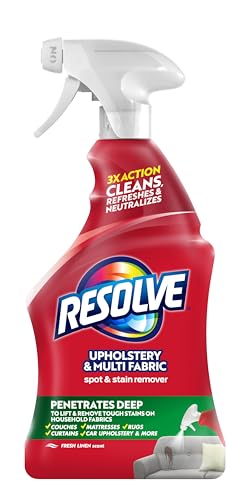
- Microfiber sofa upholstery cleaner spray kit
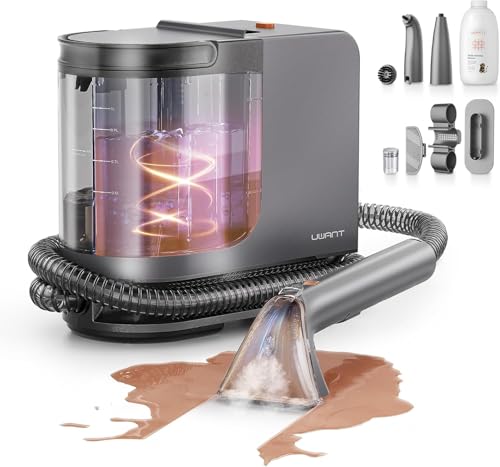
- Portable upholstery steam cleaner for fabric sofa with brushes
- Sofa stain remover kit enzyme cleaner with microfiber cloth
- Soft brushes, clean white towels, and a spray bottle
- Vacuum with upholstery attachment

Before You Start
Identify the fabric type (cotton, polyester, leather, microfiber) and check the care tag for cleaning instructions. Spot test any cleaner in an inconspicuous area to prevent color bleed or shrinkage. Clear the area, remove cushions, and vacuum both sides of the sofa to lift loose dirt. For steam cleaning, ensure good ventilation and allow ample drying time to avoid mold growth.
Step-By-Step: How To Clean A Sofa
- Vacuum the sofa thoroughly, including crevices and under cushions, to remove loose soil and debris.
- Address stains with a targeted cleaner: spray lightly on the stain and blot with a microfiber cloth—avoid rubbing, which can push the stain deeper.
- For water-safe fabrics, apply a small amount of enzyme-based stain remover to set-in spots and let it sit per label instructions.
- Gently brush the fabric with a soft brush to lift fibers and loosen dirt, then wipe away residue with a clean cloth.
- If using a portable upholstery steam cleaner, follow manufacturer directions and work in small sections, using the brush attachments to lift grime from fibers.
- Rinse lightly with a damp cloth if residue remains, then blot with dry towels to remove excess moisture.
- Allow the sofa to dry completely in a well-ventilated area; prop cushions and avoid heavy traffic on the surface until fully dry.
- Repeat as necessary for stubborn spots, and test any repeated cleaning on a hidden area first.
Troubleshooting
| Symptom | Likely Cause | Fix | Prevention |
|---|---|---|---|
| Water stains after cleaning | Over-wetting | Blot with towels and air-dry; avoid saturating fibers | Use minimal spray and allow adequate drying time |
| Color fading or bleeding | Inappropriate cleaners | Test first; switch to fabric-safe enzyme cleaner if needed | Check care tag before cleaning |
| Sticky residue | Soap residue | Wipe with clean damp cloth and air-dry | Rinse lightly after cleaner application |
| Fabric pilling after cleaning | Aggressive brushing | Use gentle brushes and avoid harsh motions | Choose fabric-safe tools |
Common Mistakes
- Using harsh household cleaners on delicate fabrics
- Spraying cleaners directly onto cushions without blotting
- Over-wetting the upholstery, leading to long drying times
- Rubbing stains aggressively, which spreads them
Tips For Best Results
- Test cleaners on hidden areas to avoid color loss
- Work from the edges of stains toward the center to prevent spreading
- Use a microfiber cloth for gentle blotting and drying
- When using steam, maintain a steady, slow pass to lift fibers without soaking
- Regular light cleaning extends life between deep cleans
Call A Professional
Consider a pro if the sofa has extensive staining, strong odors, or delicate fabrics like silk or wool blends. Seek immediate help if you notice color run, fabric distortion, or if cleaning reveals moisture staying in the cushions for more than 24 hours. Signs that require professional intervention include persistent stains after multiple attempts, or any fabric that mats or puffs abnormally after cleaning.
FAQ
Can I clean microfiber sofas at home?
Yes, microfiber is generally durable and responds well to gentle cleaners and microfiber cloths when tested first.
What cleaner should I use for enzyme-based spot removal?
Choose an enzyme-based sofa stain remover designed for fabric upholstery and test in a hidden area first.
Is steam cleaning safe for all fabrics?
Steam is effective for many fabrics but not all; check the care tag and test a small area before full cleaning.
How long does it take for a sofa to dry after cleaning?
Drying time varies by fabric and environment but typically ranges from 2 to 8 hours. Ensure good airflow and sunlight if possible.
Should I vacuum before or after cleaning?
Vacuum before cleaning to remove surface dirt; vacuum again after to lift any loosened fibers.
What about odors after cleaning?
Enzyme cleaners can help with odors; airing out the room and using a deodorizing cloth can also assist in freshening fabrics.
Buying Guide
When choosing tools and products to maintain a sofa, consider size, noise, energy use, and compatibility with fabric types. A compact microfiber upholstery spray kit is convenient for quick spot cleaning and prevents over-wetting. A portable upholstery steam cleaner with brush attachments can refresh larger areas but requires careful operation to avoid saturating cushions. An enzyme-based stain remover kit paired with microfiber cloths offers a targeted, fabric-friendly approach for recurring stains.
Key buying factors include fabric compatibility, cleaning reach, and drying time. Look for cleaners labeled as safe for the specific upholstery material and ensure the device has adjustable steam and soft-brush options. Consider noise levels if the device will be used in living spaces early in the day or around sleeping areas. Finally, assess storage needs and whether the kit includes spare cloths and replacement brushes to maintain long-term performance.
Would you prefer a lightweight kit for quick touch-ups or a more robust system for periodic deep cleans? Matching your cleaning routine with the right tools saves time and preserves fabric integrity over the life of the sofa.
Leave a Reply